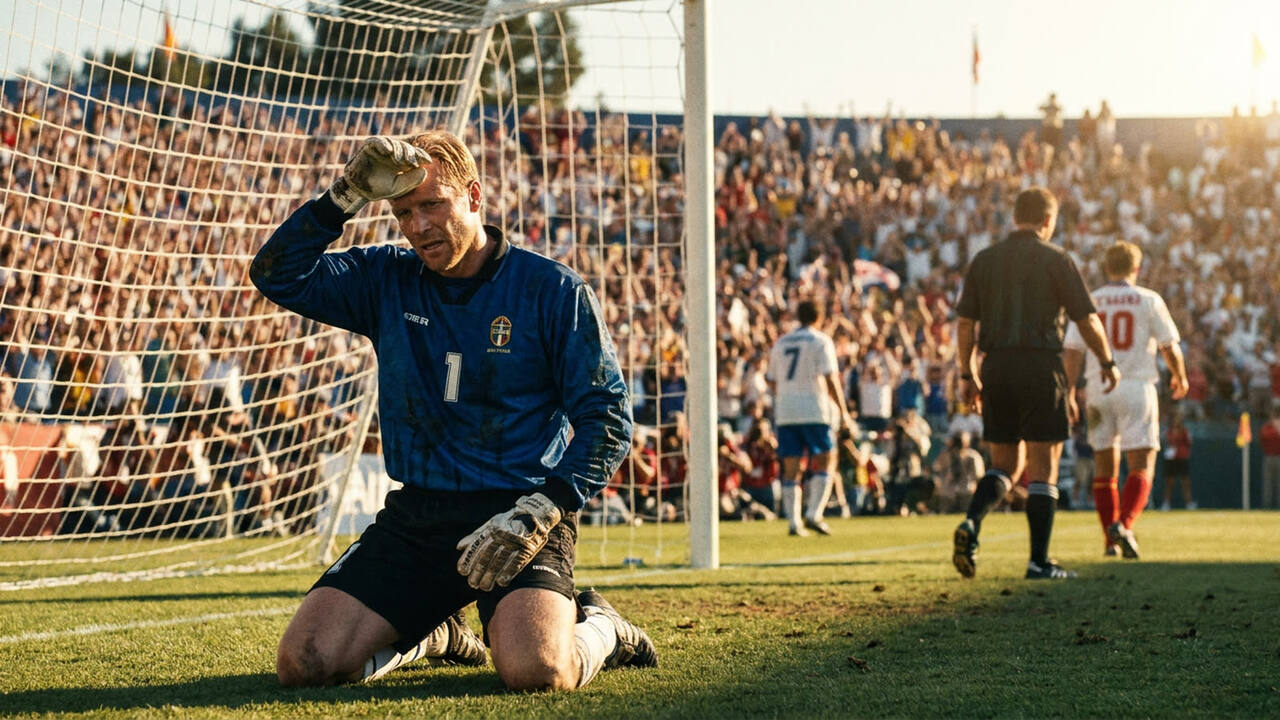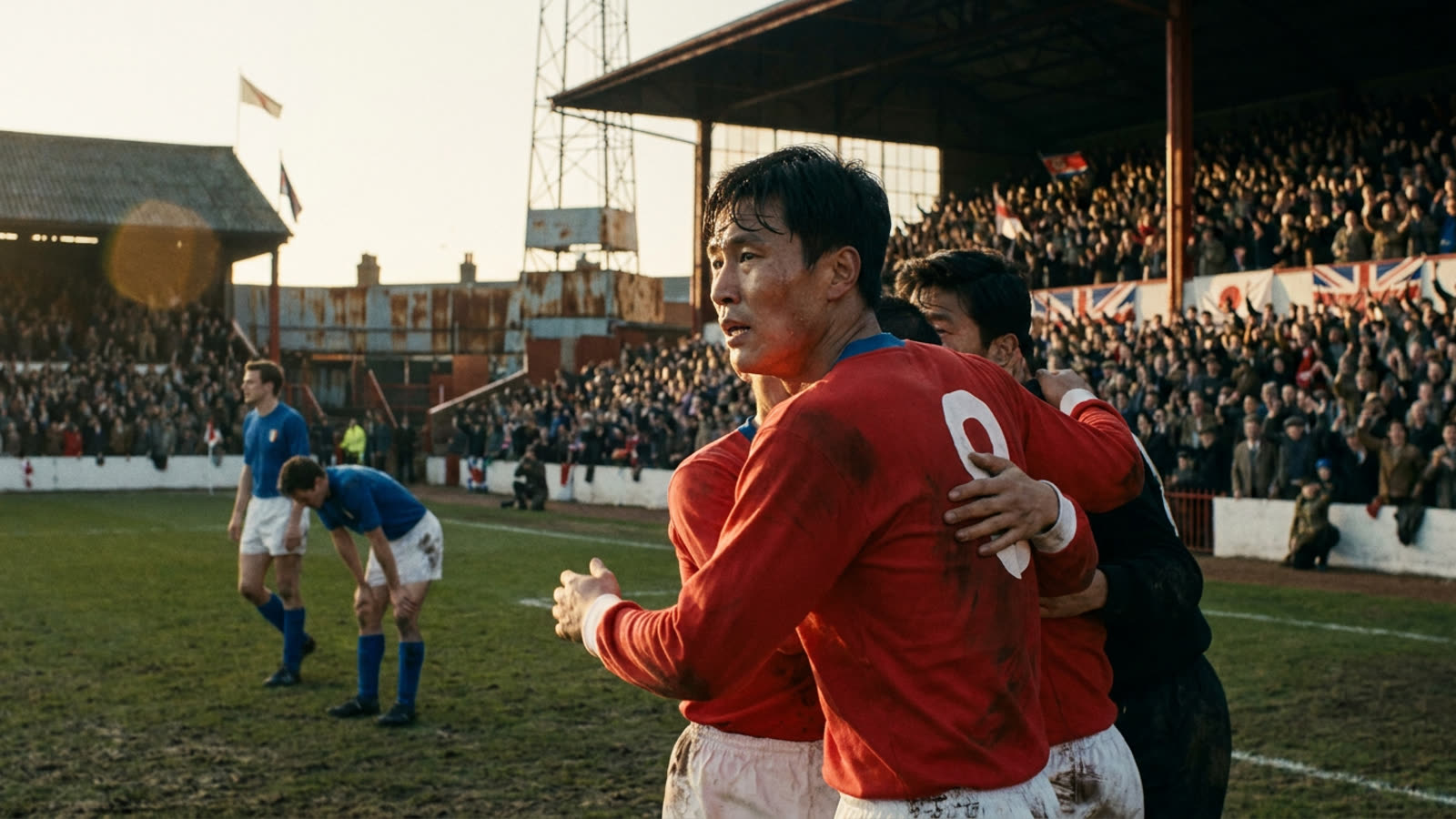
On July 19, 1966, at Ayresome Park in Middlesbrough, a North Korean forward named Pak Doo-ik struck a shot past Italian goalkeeper Enrico Albertosi and into the net. The goal, scored in the 42nd minute, would stand as the only one of the match. Italy, two-time World Cup winners and heavy favorites to advance, were eliminated by a nation that most Europeans could not locate on a map.
The result remains the most seismic upset in World Cup history not because of the scoreline—1-0 is modest enough—but because of everything surrounding it. North Korea had never qualified for a World Cup before. Several of their players were soldiers. Their preparation consisted largely of playing against other communist nations in friendlies that went unreported in the Western press. Italy, by contrast, had Giacinto Facchetti, Sandro Mazzola, and the full weight of Serie A's tactical sophistication.
The context that made it unthinkable
The Cold War was at its height. North Korea's participation in the tournament was itself controversial; FIFA had initially awarded them a place only after a complex political negotiation, and several African nations boycotted the competition in protest over qualification procedures. The Koreans arrived in England as curiosities, their games relegated to the northeast because London venues declined to host a communist delegation.
Middlesbrough, a working-class shipbuilding town, embraced them. The locals, perhaps recognizing fellow underdogs, adopted the Koreans as honorary Teessiders. When Pak Doo-ik scored, the home crowd erupted. The Italians, meanwhile, stood frozen. Manager Edmondo Fabbri had rotated his squad, benching several key players in what he assumed would be a formality. The assumption proved fatal.
The Italian aftermath
The returning squad was met at Genoa airport with rotten tomatoes. Fabbri was sacked. The Italian Football Federation launched an inquest. For years afterward, "Middlesbrough" became shorthand in Italian football for complacency and disgrace—a single word that could silence a room.
The defeat accelerated Italy's pivot toward defensive pragmatism. The catenaccio system, already influential, became doctrine. The thinking was clear: if you cannot guarantee goals, you must guarantee against them. The 1966 humiliation haunted Italian football through its subsequent triumphs in 1982 and 2006, both won with miserly defenses and minimal attacking risk.
What happened to the victors
North Korea advanced to the quarterfinals, where they raced to a 3-0 lead against Portugal before Eusébio single-handedly dismantled them in a 5-3 comeback. The players returned home to a heroes' welcome, then largely vanished from international view. Pak Doo-ik reportedly became a gymnastics instructor. The regime celebrated the achievement for propaganda purposes but kept the players themselves out of the spotlight, perhaps wary of individual fame.
A 2002 documentary, The Game of Their Lives, tracked down the surviving squad members. They were elderly men by then, modest about their achievement, still living in Pyongyang. The footage is poignant: these were athletes who had experienced the greatest moment of their sporting lives and then returned to a country that would spend the next half-century in isolation.
Our take
Middlesbrough 1966 endures because it violated every assumption about how football power worked. A tiny, isolated, ideologically hostile nation defeated a European giant through discipline, fitness, and sheer collective will. Italy's response—shame, recrimination, and a defensive turn that lasted decades—tells us as much about football culture as the upset itself. The match is a reminder that the World Cup's magic lies not in predictable excellence but in the possibility, however remote, that the script can be torn up entirely.