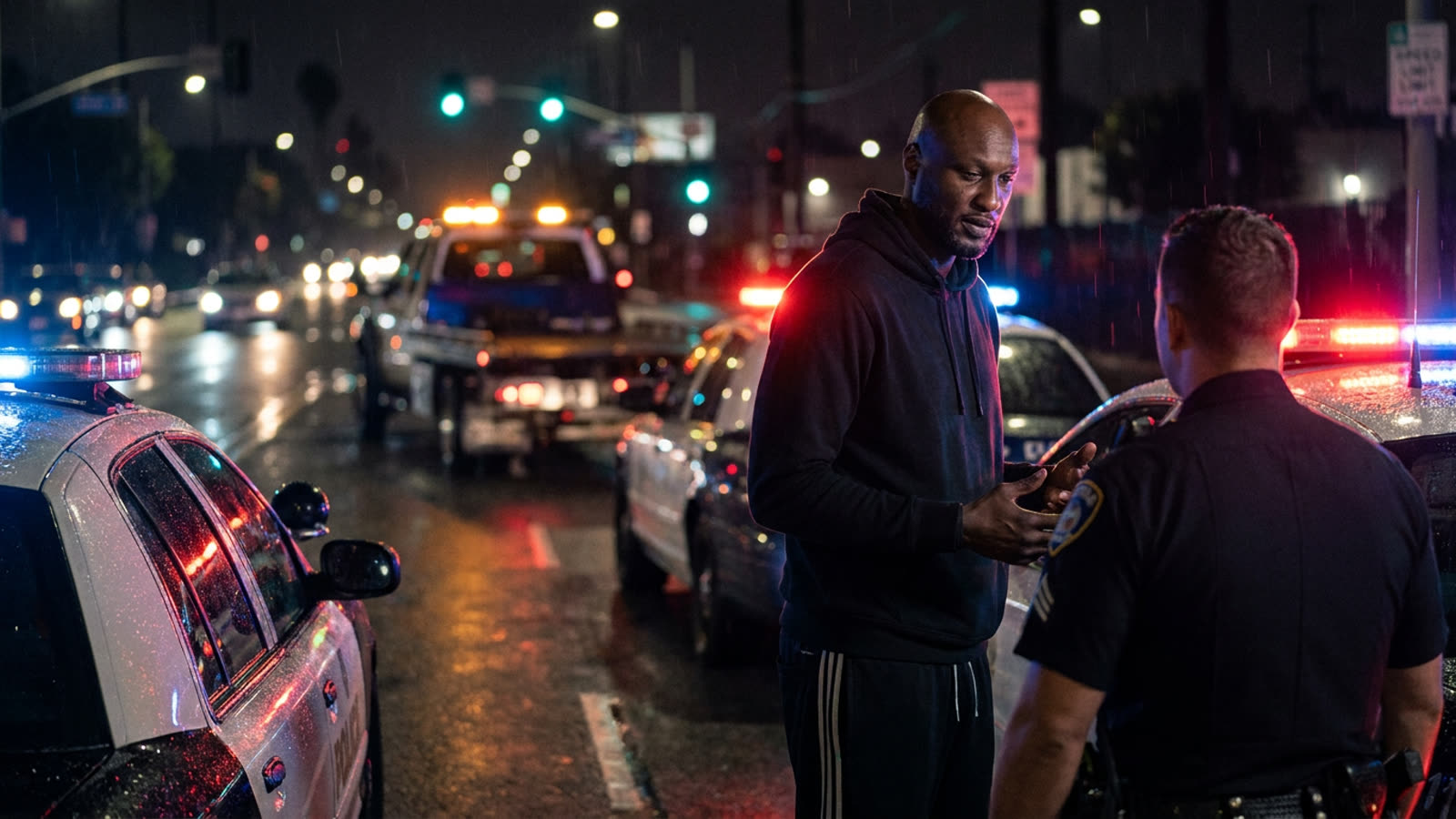
The news arrived with the grim familiarity of a recurring nightmare: Lamar Odom, the 46-year-old former Los Angeles Lakers star and two-time NBA champion, will enter a plea deal in his DUI case, avoiding trial but adding another chapter to a post-basketball life that has lurched from crisis to crisis. For those who watched Odom's silky game during the Lakers' back-to-back titles in 2009 and 2010, the headline lands somewhere between inevitable and heartbreaking.
Odom's talent was never in question. The 6-foot-10 forward possessed a point guard's vision trapped in a power forward's frame, the rare player who could initiate offense, finish in traffic, and guard multiple positions. He won the Sixth Man of the Year award in 2011. He was, for a brief window, exactly the kind of versatile big man that modern basketball would come to worship.
The long shadow of 2015
What happened next is well documented. The 2015 overdose at a Nevada brothel left Odom in a coma, his organs failing, his survival uncertain. He pulled through, but the years since have offered little evidence of sustained recovery. Reality television appearances, a brief and ill-fated professional basketball comeback overseas, and now this—a DUI arrest that prosecutors apparently deemed serious enough to pursue, yet not so airtight that a plea deal wasn't preferable to trial.
The specific terms of Odom's agreement have not been disclosed. What matters more is the pattern. Professional athletes, particularly those from the NBA, retire younger than almost any other high-earning profession. The average career lasts just over four years. Even stars like Odom, who played 14 seasons, exit the league in their mid-thirties with decades of life ahead and, often, inadequate preparation for what comes next.
A league that looks away
The NBA has made gestures toward player transition programs. The league's Player Engagement department offers financial literacy courses, career counseling, and mental health resources. But participation is voluntary, funding is modest relative to the league's $10 billion annual revenue, and the culture still treats retirement as a personal problem rather than a structural one. Players are assets until they are not, at which point they become someone else's concern.
Odom's case is extreme but not unique. The list of former NBA players who have struggled with addiction, bankruptcy, or legal troubles after retirement is long enough to suggest systemic failure rather than individual weakness. Delonte West. Chris Herren. Roy Tarpley. The names accumulate like a roster of cautionary tales that the league prefers to treat as isolated incidents.
Our take
Lamar Odom deserves accountability for his actions behind the wheel. He also deserves better than a league that extracted his prime years, marketed his redemption narrative when convenient, and now watches from a comfortable distance as he navigates the wreckage. The NBA generates billions from players whose bodies and minds bear the cost of entertainment. A plea deal resolves one legal matter. It resolves nothing about the sport's obligation to the people who made it rich.