For decades, the World Cup final halftime consisted of forgettable pageantry—local dance troupes, brief musical interludes that sent viewers to the kitchen. FIFA has now decided that was leaving billions on the table.
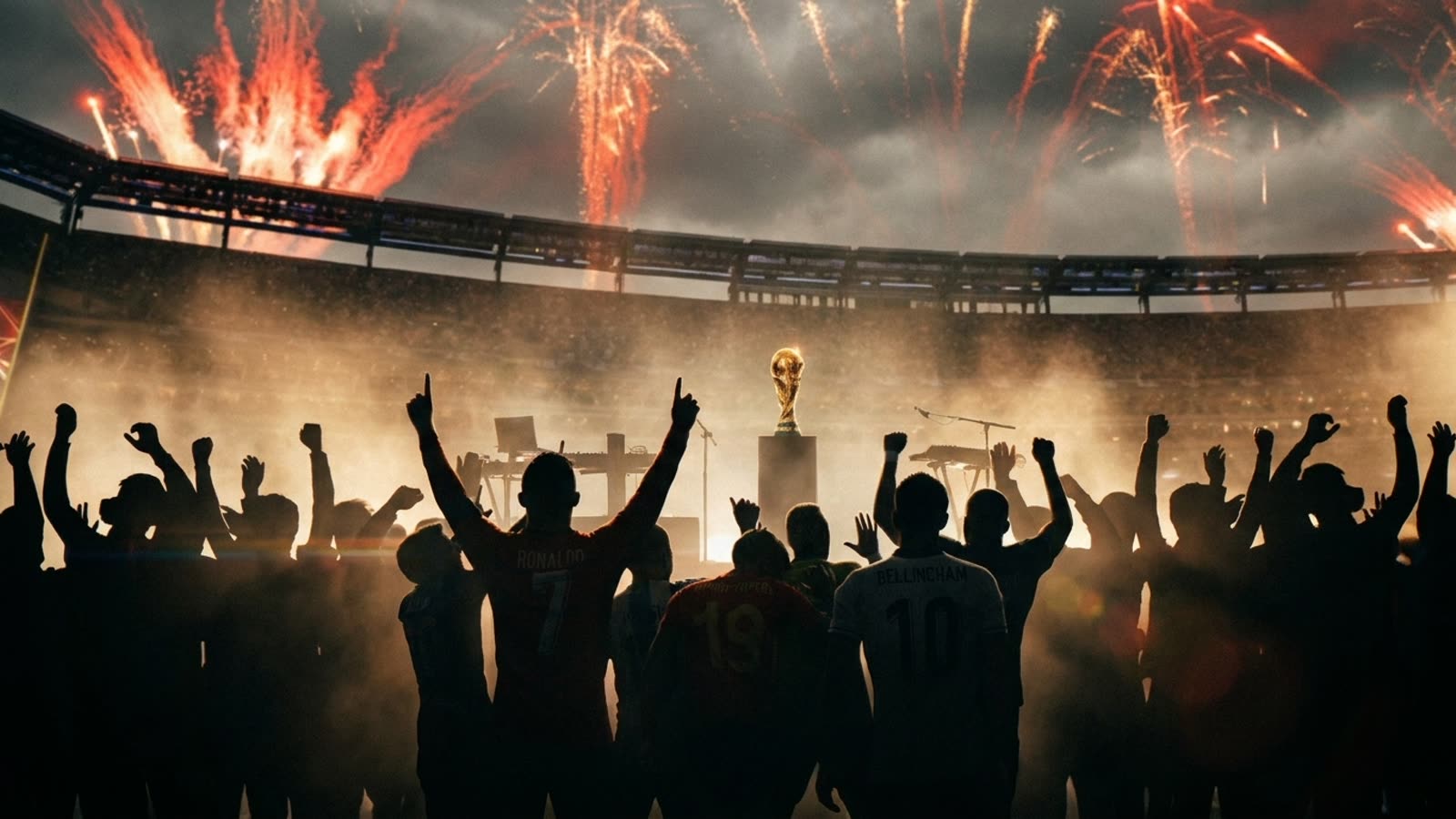
The announcement that Madonna, Shakira, and BTS will headline a Super Bowl-style halftime show at this summer's World Cup final represents the most significant format change to football's biggest match since the introduction of the golden goal. It is also, unmistakably, a declaration of intent: FIFA wants the cultural omnipresence that the NFL has cultivated, and it is willing to reshape its traditions to get it.
The entertainment industrial complex comes to football
The logic is straightforward. The Super Bowl halftime show has become a standalone cultural event, generating social media engagement that rivals the game itself and justifying advertising rates that dwarf regular programming. Last year's show drew 120 million American viewers for the performance alone. FIFA, which has watched the NFL's commercial machine with a mixture of disdain and envy, has apparently concluded that if you cannot beat them, you hire their playbook.
The artist selection reveals the strategy's ambition. Madonna brings legacy and controversy in equal measure—she remains the only performer who can credibly claim to have defined three separate decades of pop culture. Shakira offers the tournament's most obvious narrative thread, having already soundtracked two World Cups and commanding Latin American audiences that FIFA desperately wants to monetize further. BTS, even in their current configuration, delivers the Asian market penetration that has eluded football's global expansion efforts.
What gets lost in translation
Traditional football supporters will bristle, and not without reason. The World Cup final derives its power from accumulated tension—two nations, one match, ninety minutes of consequence. The Super Bowl, by contrast, is an entertainment product that happens to include a football game. Inserting a twenty-minute concert into the middle of a World Cup final risks diluting the very intensity that makes the event valuable.
There is also the practical matter of player welfare. Football halftime lasts fifteen minutes. Extending it to accommodate a stadium-scale production means athletes cooling down, rhythms disrupted, and tactical adjustments complicated by an entertainment schedule. The NFL has optimized for this; football has not.
Our take
This was inevitable, and it will probably work. FIFA has spent years watching the Premier League and Champions League capture the cultural conversation while the World Cup remains a quadrennial event that casual fans forget between tournaments. A halftime show does not solve that problem, but it does solve the simpler one of making the final unmissable television for people who do not care about football. Whether that audience is worth courting at the expense of the sport's aesthetic purity is a question FIFA answered long ago, around the time it awarded a winter World Cup to Qatar. The purists lost that argument. They will lose this one too.