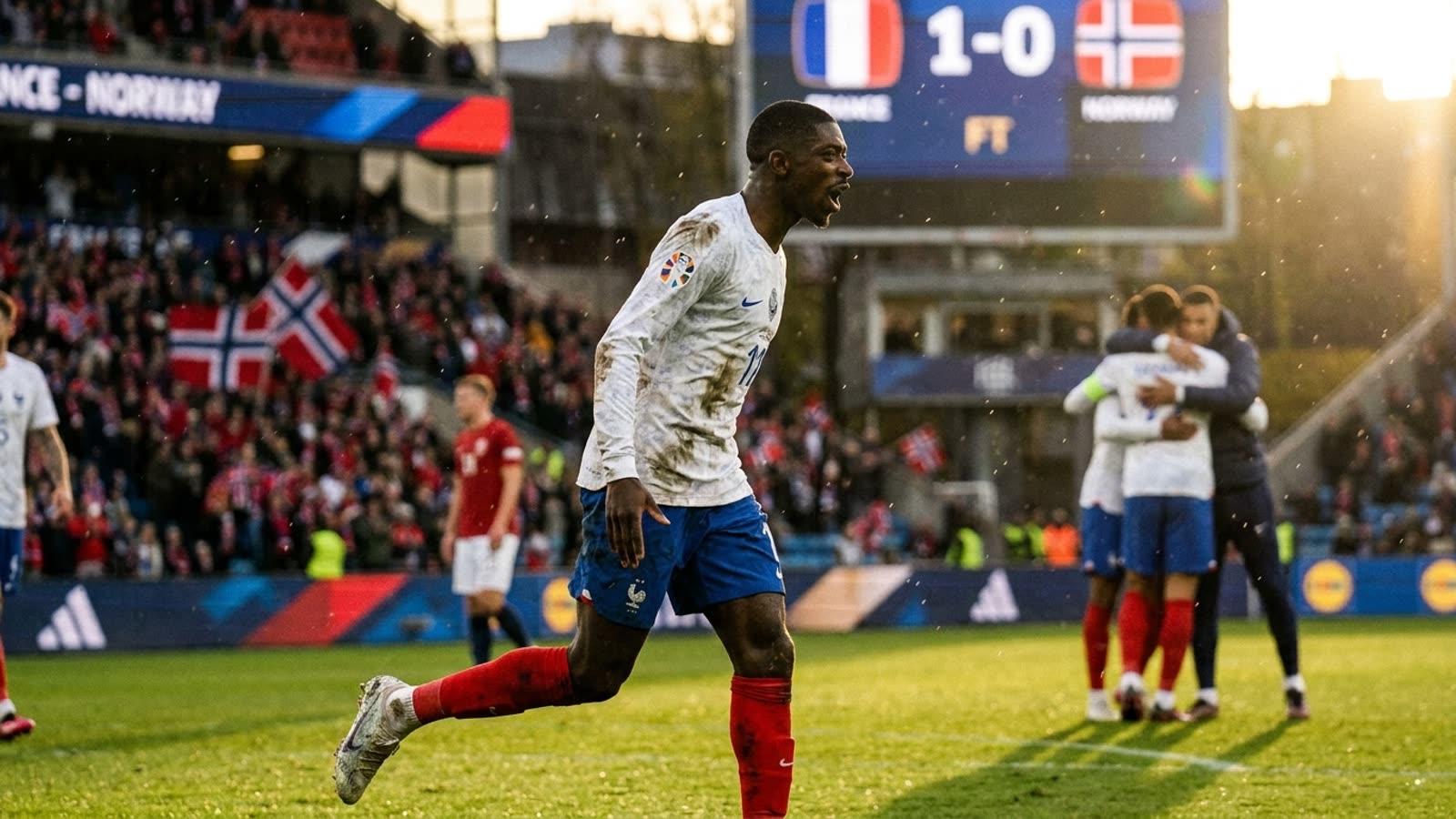
The script was perfect until it wasn't. The United States, buoyed by home crowds and a favorable draw, had cruised through their opening World Cup match with the kind of optimism that makes neutrals roll their eyes and Americans believe in manifest destiny. Then came the last-second goal that changed everything—not the tournament standing, necessarily, but the national delusion that hosting confers competence.
The equalizer that denied the USA a clean sheet and maximum points wasn't a fluke. It was a reminder that international football operates on a different clock than American sports narratives, one where the underdog doesn't always lose and the home team doesn't always get the calls. The goal exposed defensive vulnerabilities that better opponents will exploit with surgical precision.
The group stage flatters to deceive
America remains in a strong position to advance from the group stage—that much is true. But advancing and competing are different verbs. The knockout rounds of a World Cup are a different sport entirely: single-elimination matches where one moment of brilliance or catastrophe determines everything. The USA has historically wilted under this pressure, and nothing in the recent performance suggests that pattern will break.
The tactical setup that worked against weaker opposition will face its first real examination soon. The midfield, praised for its energy, showed gaps in positional discipline. The attack, reliant on pace and directness, struggled to break down a team that sat deep and waited. These are solvable problems, but solving them requires time the tournament schedule doesn't provide.
Home advantage cuts both ways
Playing on American soil was supposed to be the great equalizer, the factor that could push a talented-but-flawed squad past its natural ceiling. And the crowds have delivered—the atmosphere in the stadiums has been genuinely electric, a reminder that American sports fans, when engaged, can match anyone for noise and passion.
But home advantage also means home pressure. Every American player knows that millions of casual fans—people who watch soccer once every four years—are expecting something historic. That weight can elevate or crush. The last-second goal wasn't just a sporting setback; it was a psychological crack in the foundation. How the team responds will define whether this World Cup becomes a breakthrough or another chapter in the long history of American soccer underachievement.
Our take
The USA needed a reality check, and they got one at the worst possible time. The group stage is for building confidence and rhythm; instead, America enters the knockout rounds with questions about their defense and doubts about their mentality. The tournament isn't over—far from it—but the easy part is. What comes next will require something this team hasn't consistently shown: the ability to win when it matters most, against opponents who won't gift them anything. The honeymoon is over. The marriage is just beginning, and it looks like hard work.