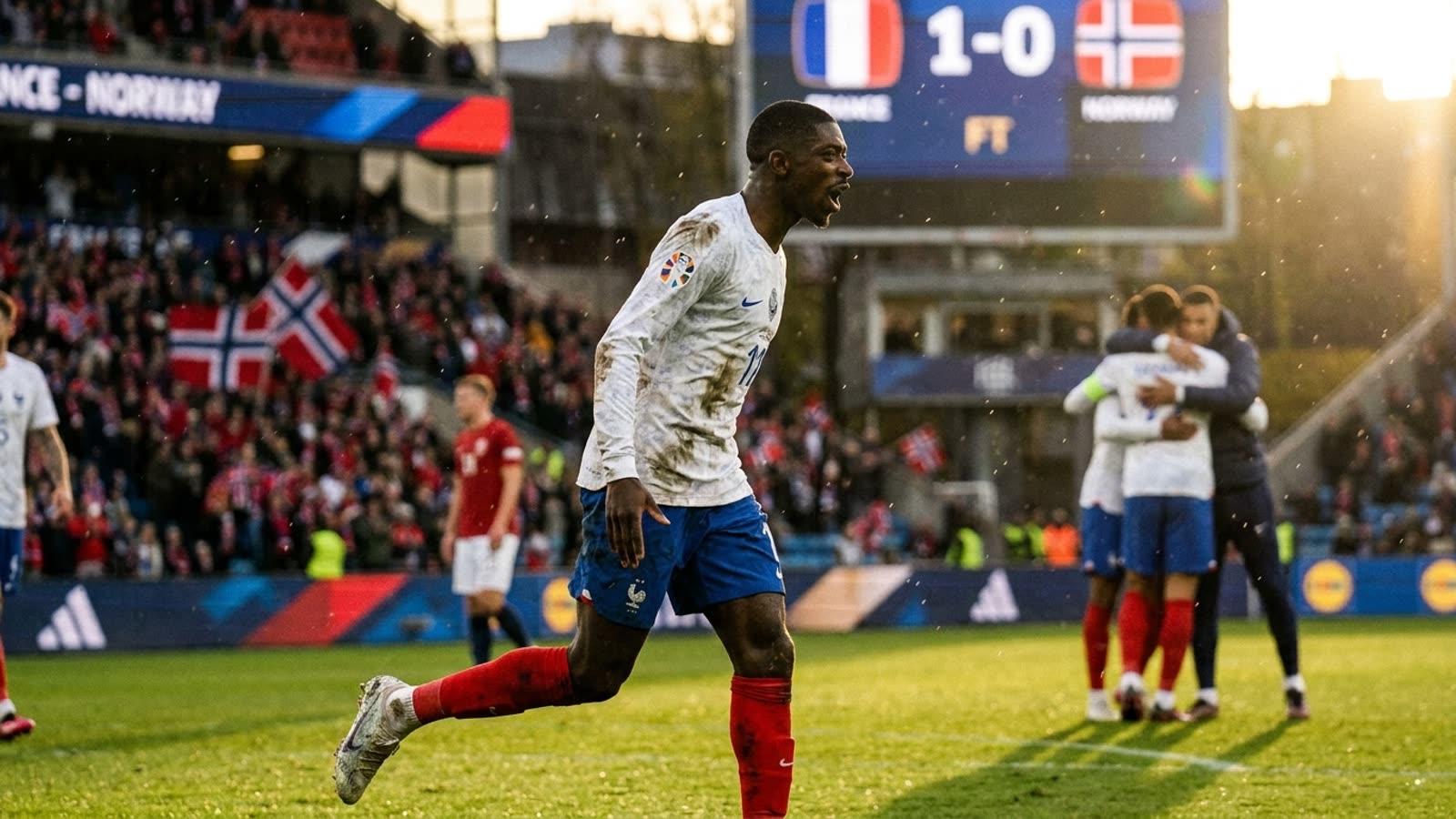
The cruelest thing about international football is that golden generations get exactly one window, and that window closes on someone else's schedule. Norway learned this Thursday in a Group I decider that will be remembered for what was missing as much as what happened: Erling Haaland, the most prolific striker of his generation, watched from the bench with a hamstring injury while Ousmane Dembélé did what Dembélé does when the mood strikes him—turned a defender inside out and buried France's tournament.
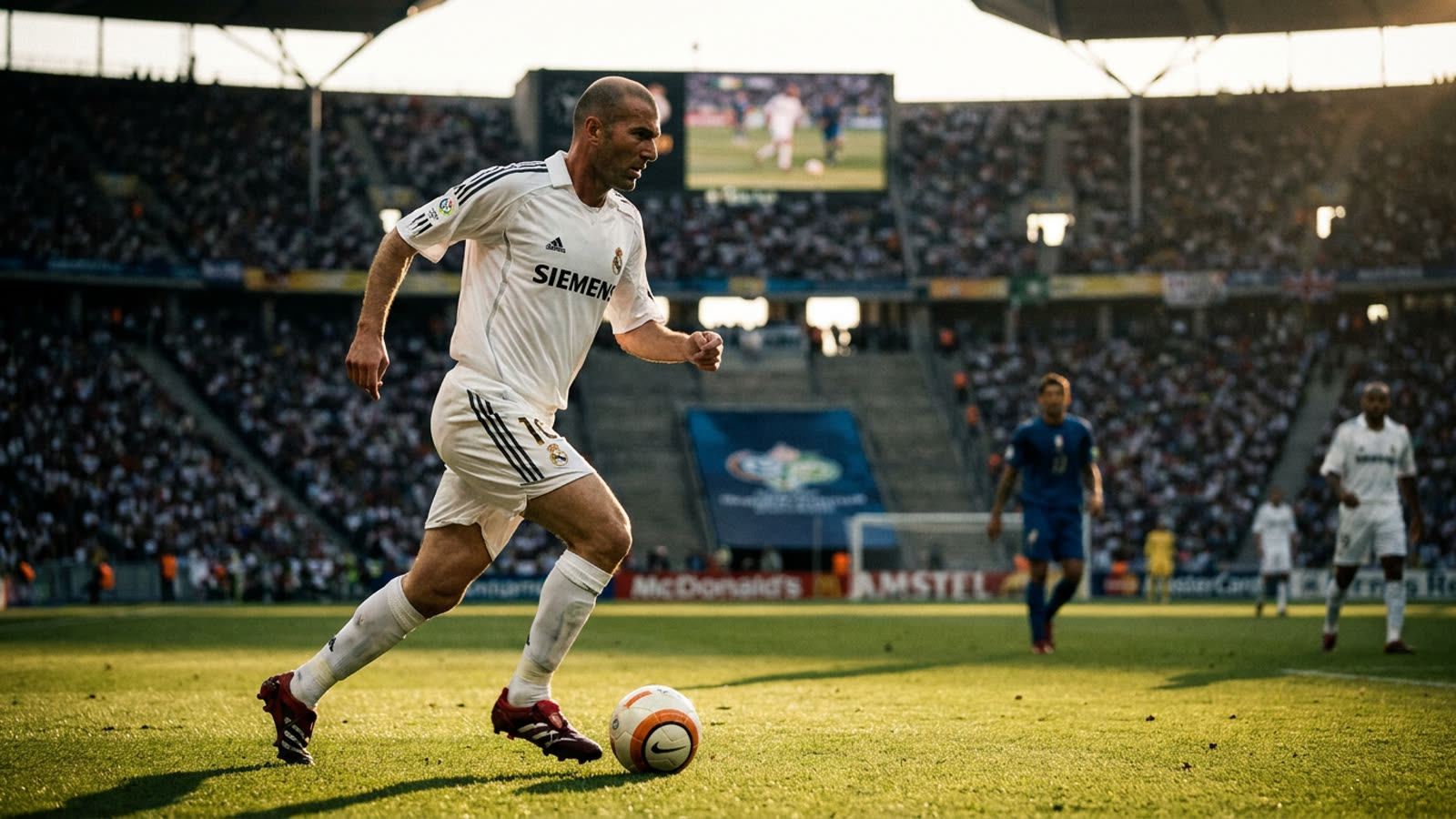
The goal itself was pure chaos theory, the kind of sequence that makes coaches tear their hair out in training and then celebrate wildly when it actually works. Dembélé received the ball thirty yards out, shimmied past two Norwegian defenders who seemed to be guarding a player who no longer existed in that space, and curled a shot that the keeper could only wave at. France 1, Norway 0. Group I decided.
The absence that defined everything
Norway without Haaland is still a decent side—Martin Ødegaard remains one of the most technically gifted midfielders in world football, and their defensive organization has been the tournament's quiet revelation. But decent sides don't win World Cups, and the absence of their talisman turned what should have been a coronation match into a funeral procession. The Norwegians created chances, found space, did everything right except finish. Without the man who has scored more goals in fewer minutes than anyone in Premier League history, they simply couldn't convert pressure into scoreboard.
The injury, reported just hours before kickoff, will fuel conspiracy theories for years. Was it really a hamstring? Was he being protected for a knockout round that now won't come? The truth is probably simpler and sadder: bodies break at the worst possible moments, and Haaland's broke when Norway needed him most.
France's familiar pattern
Les Bleus have now advanced from the group stage of every World Cup since 2010, which sounds impressive until you remember they've also underperformed their talent level in roughly half of those tournaments. This is a squad that should dominate, featuring perhaps the deepest pool of attacking talent any nation has ever assembled. Instead, they frequently coast, relying on moments of individual brilliance to paper over collective lethargy.
Dembélé's winner was exactly that kind of moment—spectacular, unrepeatable, and somewhat disconnected from any coherent tactical plan. Didier Deschamps will take it, of course. He's been taking it for over a decade now, collecting results while critics complain about the football. The man has a World Cup trophy; his detractors have opinions.
Our take
Norway will look back on this World Cup as the one that got away, and they'll be right. You don't get many chances when you're a nation of five million people competing against football superpowers, and this was their chance. Haaland will be back, presumably, for 2030, but Ødegaard will be thirty-one, the supporting cast will have aged, and the window will have narrowed further. France, meanwhile, will stumble forward into the knockout rounds, infuriating and inevitable, waiting for someone to finally punish their arrogance. That someone won't be Norway.