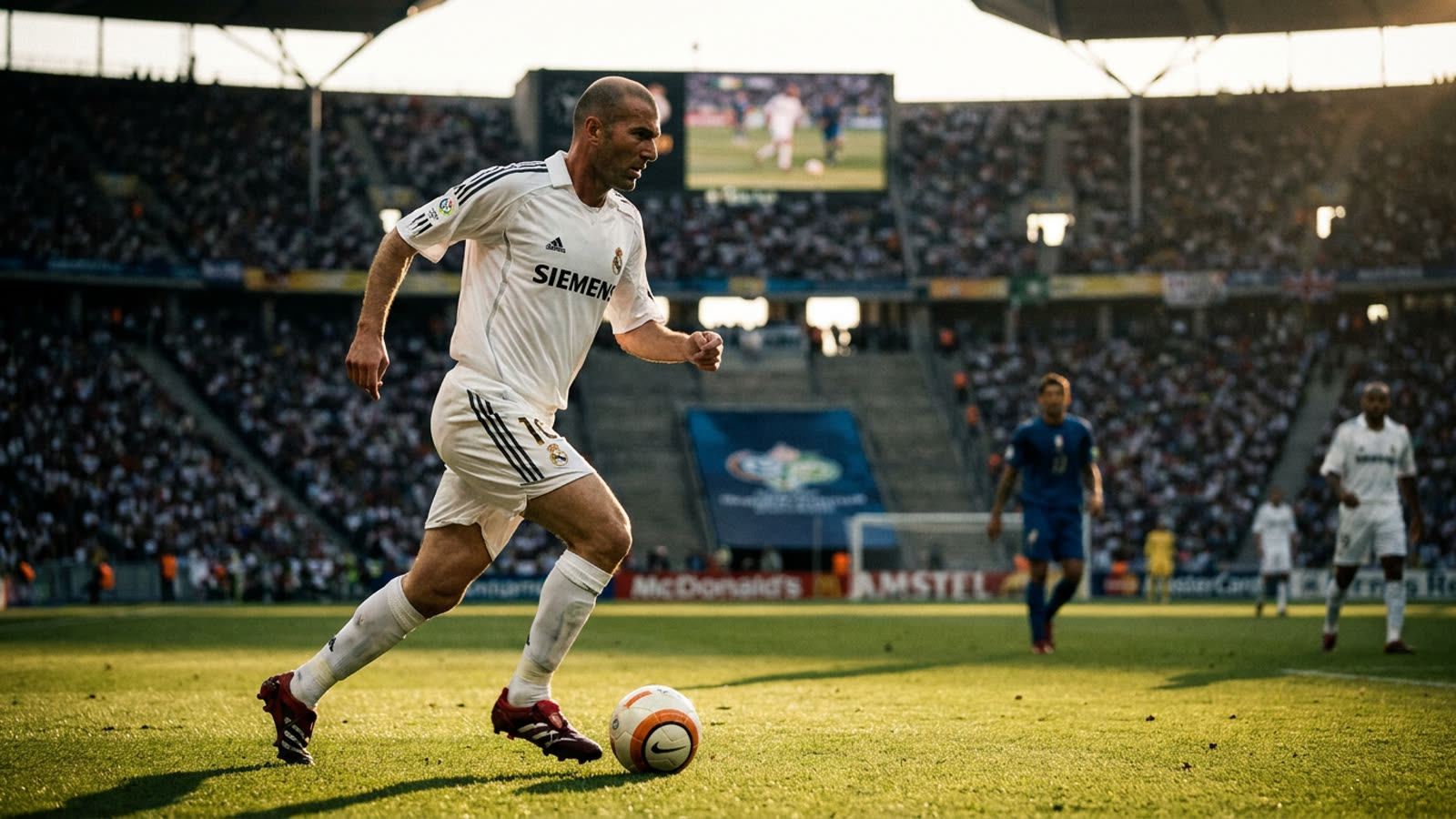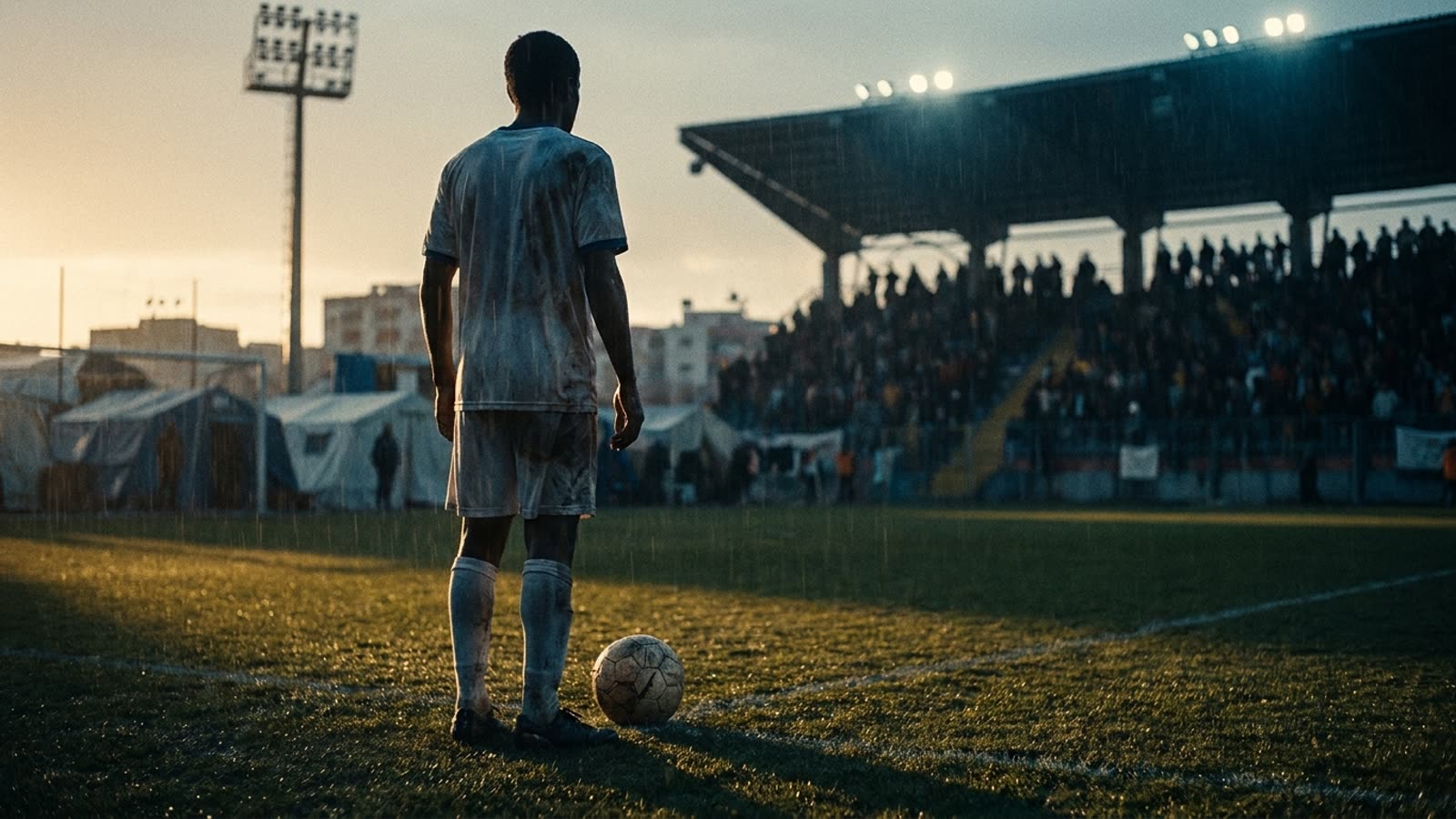
When the final whistle blew and an entire nation erupted in celebration, the player at the center of it all fell to his knees and wept. Not tears of joy, though those would come later, but something deeper—the kind of tears that come when a circle closes after years of unimaginable hardship.
From refugee camp to World Cup glory
The journey from stateless child to national hero reads like fiction, yet it's becoming an increasingly common narrative in international football. This latest chapter—a match-winning performance on football's biggest stage by someone who once had no country to call home—represents both an individual triumph and a broader phenomenon reshaping the sport.
The player's early years were marked by displacement and uncertainty. Fleeing conflict as a child, navigating refugee camps and asylum systems, learning new languages while clinging to memories of a homeland that existed more in imagination than reality. Football, as it so often does for the displaced, became both escape and anchor—a universal language when words failed, a meritocracy when other doors remained closed.
Youth academies across Europe have become inadvertent integration machines, turning traumatized children into professional athletes. The pathway is brutal: for every success story playing in this World Cup, hundreds more fall away, their football dreams crushed but their integration into new societies often secured through the connections and discipline the sport provided.
The beautiful game's imperfect integration machine
Football's relationship with migration and displacement is complex. Critics point to exploitation—wealthy clubs harvesting talent from conflict zones and impoverished nations, offering false hope to desperate families. The trafficking of young African players to dubious "academies" remains a persistent scandal. Yet the sport also provides genuine pathways to citizenship, education, and prosperity that might otherwise remain closed.
This World Cup features dozens of players who represent nations different from their birthplace, each carrying their own story of movement and belonging. Some fled war, others poverty. Some were recruited as teenagers, others arrived as infants. Their presence complicates simple narratives about national identity—what does it mean to play for a country you arrived in at age eight? How do you reconcile wearing the shirt of a nation that once debated whether to let your family stay?
Our take
The tears after that final whistle weren't just about football. They were about validation, belonging, and the extraordinary weight carried by those who must constantly prove they deserve their place. That this player's moment of triumph came against the backdrop of rising anti-immigrant sentiment across Europe adds another layer of significance. Football cannot solve the refugee crisis or heal the trauma of displacement. But in moments like these, it offers something almost as valuable: proof that belonging isn't just about where you're from, but what you contribute to where you are.