The Biden-to-Trump foreign policy handoff produced many awkward inheritances, but none quite so theatrical as the Iran file. On Wednesday, the Treasury Department announced a fresh tranche of sanctions targeting Iran's military oil sales network—the financial arteries that keep the Revolutionary Guard flush—even as diplomats in Oman were reportedly finalizing an extension to the fragile ceasefire that has held since early May.
The juxtaposition is not accidental. It is strategy.
The sanctions package
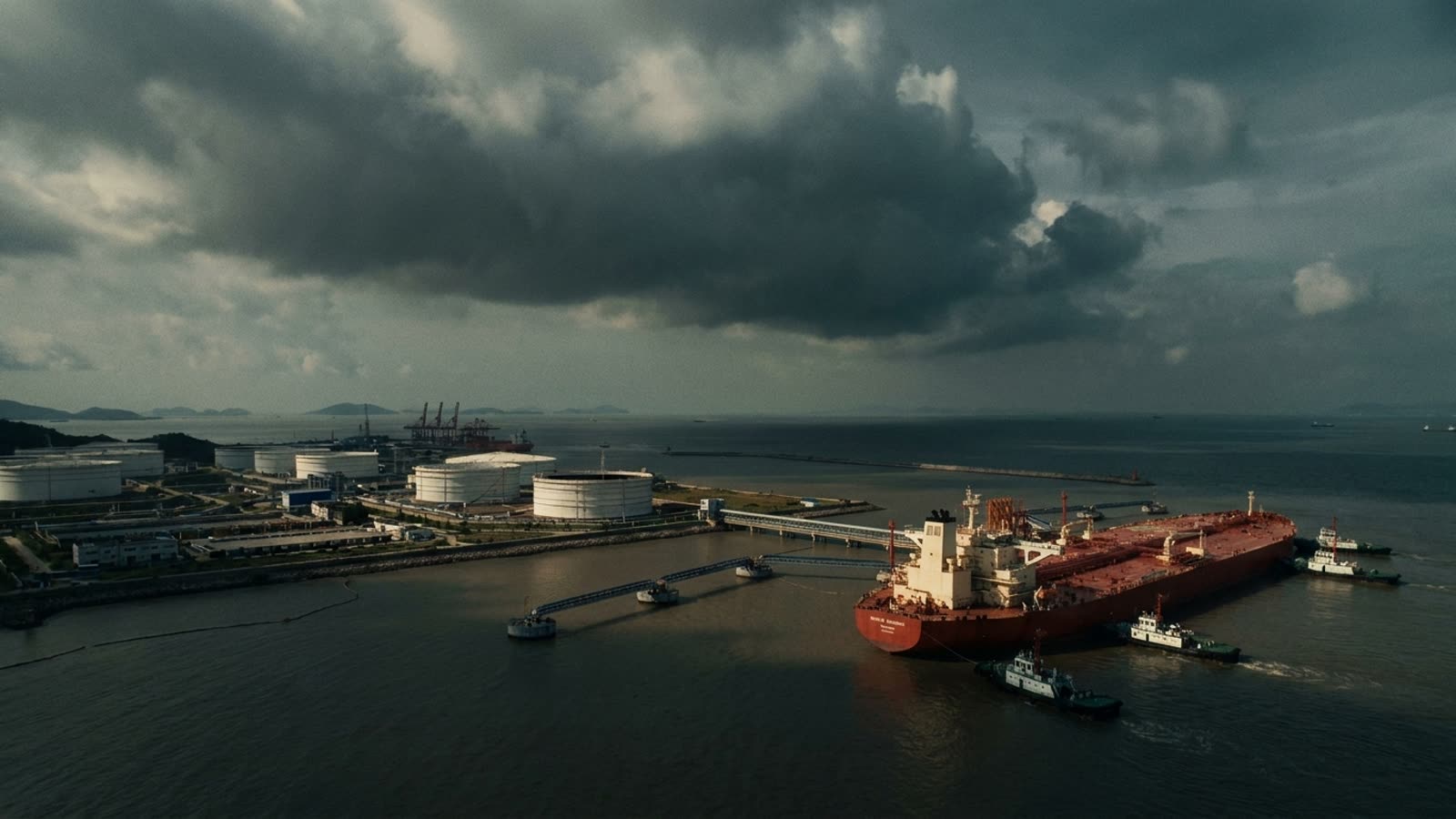
Treasury's Office of Foreign Assets Control designated several entities and vessels involved in shipping Iranian crude to buyers willing to skirt existing restrictions. The targets include front companies registered in the UAE and Hong Kong, as well as tankers that have engaged in ship-to-ship transfers designed to obscure the oil's origin. Officials described the action as part of a "maximum pressure" campaign that the administration insists never paused, even during active negotiations.
The message to Tehran is unmistakable: a ceasefire does not mean a reprieve. The United States is willing to talk, but it will not stop tightening the economic vice while it does so.
Why now?
Timing sanctions to coincide with diplomatic progress is a classic coercive-diplomacy move, but it carries risks. Iranian hardliners can point to the designations as evidence that Washington negotiates in bad faith. Moderates who counseled engagement—already weakened after years of unmet promises—lose further credibility. The extension deal reportedly still requires President Trump's formal approval, and the sanctions give Tehran's Supreme Leader a face-saving excuse to walk away if he chooses.
Yet the administration appears to have calculated that the alternative—easing pressure prematurely—would invite Iranian stalling. The ceasefire, after all, emerged only after a direct exchange of strikes between the IRGC and U.S. forces in the Gulf. Neither side wants a return to that brinkmanship, but neither wants to appear weak.
The oil market's shrug
Crude prices settled mixed on Wednesday, with traders unsure whether to price in supply disruption or diplomatic détente. The conflicting signals—sanctions tightening supply, ceasefire extension suggesting stability—largely cancelled each other out. Brent hovered near recent ranges, a testament to how desensitized markets have become to Middle East headlines that once would have sent prices lurching.
Our take
Dual-track diplomacy is not hypocrisy; it is how great powers negotiate with adversaries they do not trust. The sanctions and the ceasefire extension are two instruments in the same orchestra, and the conductor in Washington is betting that Tehran needs the pause more than it needs the pride. That bet has been wrong before. But for now, the music plays on, and the Gulf remains quieter than it was a month ago. Sometimes that is the best you can ask for.