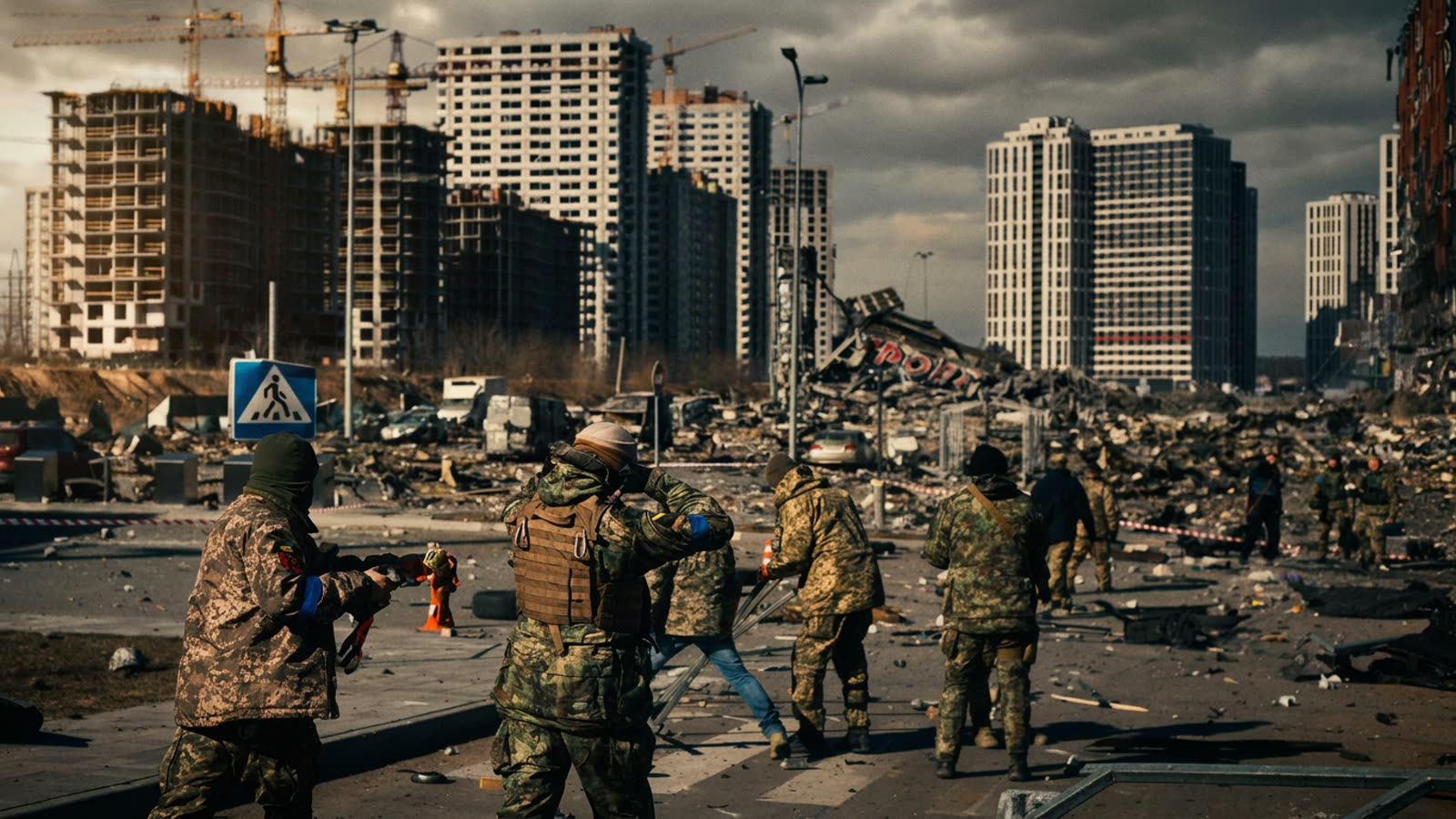
The war in Ukraine has become the conflict that refuses to conclude. What began in February 2022 as Vladimir Putin's gamble on a swift decapitation of Kyiv has calcified into a brutal war of attrition, with front lines that shift by meters rather than kilometers and casualty figures that both sides treat as state secrets.
More than two years into the largest land war in Europe since 1945, the strategic picture is grimly static. Russia controls roughly 18 percent of Ukrainian territory—slightly more than it held a year ago, but nowhere near the sweeping gains Moscow once envisioned. Ukraine, meanwhile, has proven it can survive but not that it can expel a nuclear-armed occupier from its soil.
The exhaustion calculus
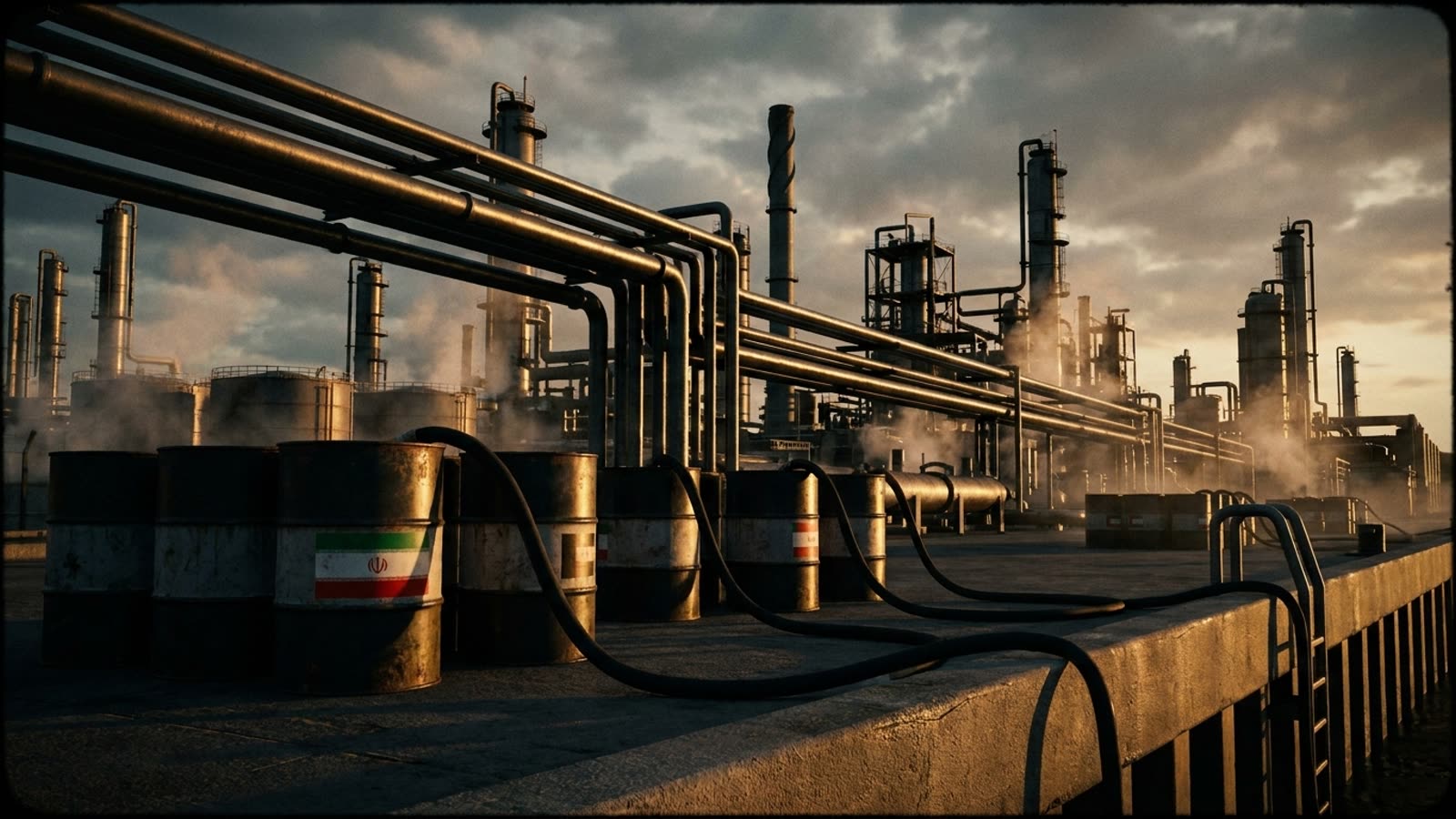
Both militaries are running on fumes of different kinds. Russia has compensated for staggering personnel losses with convict battalions, North Korean ammunition, and Iranian drones—a coalition of the sanctioned that keeps the war machine sputtering forward. Ukraine depends on Western artillery shells that arrive in unpredictable quantities and a mobilization system that has drained the country of military-age men willing to serve.
The economics tell a parallel story. Russia's war spending now consumes roughly a third of its federal budget, propped up by oil revenues that Western sanctions have dented but not destroyed. Ukraine's economy functions only because of direct Western budget support—a lifeline that grows politically precarious with every election cycle in Washington and European capitals.
The diplomatic vacuum
Peace talks remain performative. Putin's maximalist demands—recognition of annexed territories, Ukrainian "denazification," NATO rollback—are non-starters for Kyiv. Zelensky's ten-point peace formula, requiring full Russian withdrawal, is equally unacceptable to Moscow. The gap between these positions has not narrowed; if anything, it has widened as both sides have buried too many soldiers to accept anything resembling the other's terms.
The Trump administration's approach has oscillated between disengagement threats and sporadic diplomatic overtures, leaving allies uncertain whether Washington views Ukraine as a vital interest or a inherited problem to be managed. European leaders talk of "strategic autonomy" but have yet to demonstrate they can sustain Ukraine without American backing.
Our take
The most likely near-term outcome is the one nobody will publicly endorse: a frozen conflict that joins the ranks of Korea, Cyprus, and the post-Soviet "frozen zones" in Georgia and Moldova. This is a defeat dressed as a draw—catastrophic for Ukraine, costly for Russia, and corrosive for the international order that was supposed to make such wars impossible. The tragedy is not that the war continues but that all parties seem to have accepted, quietly, that it will.