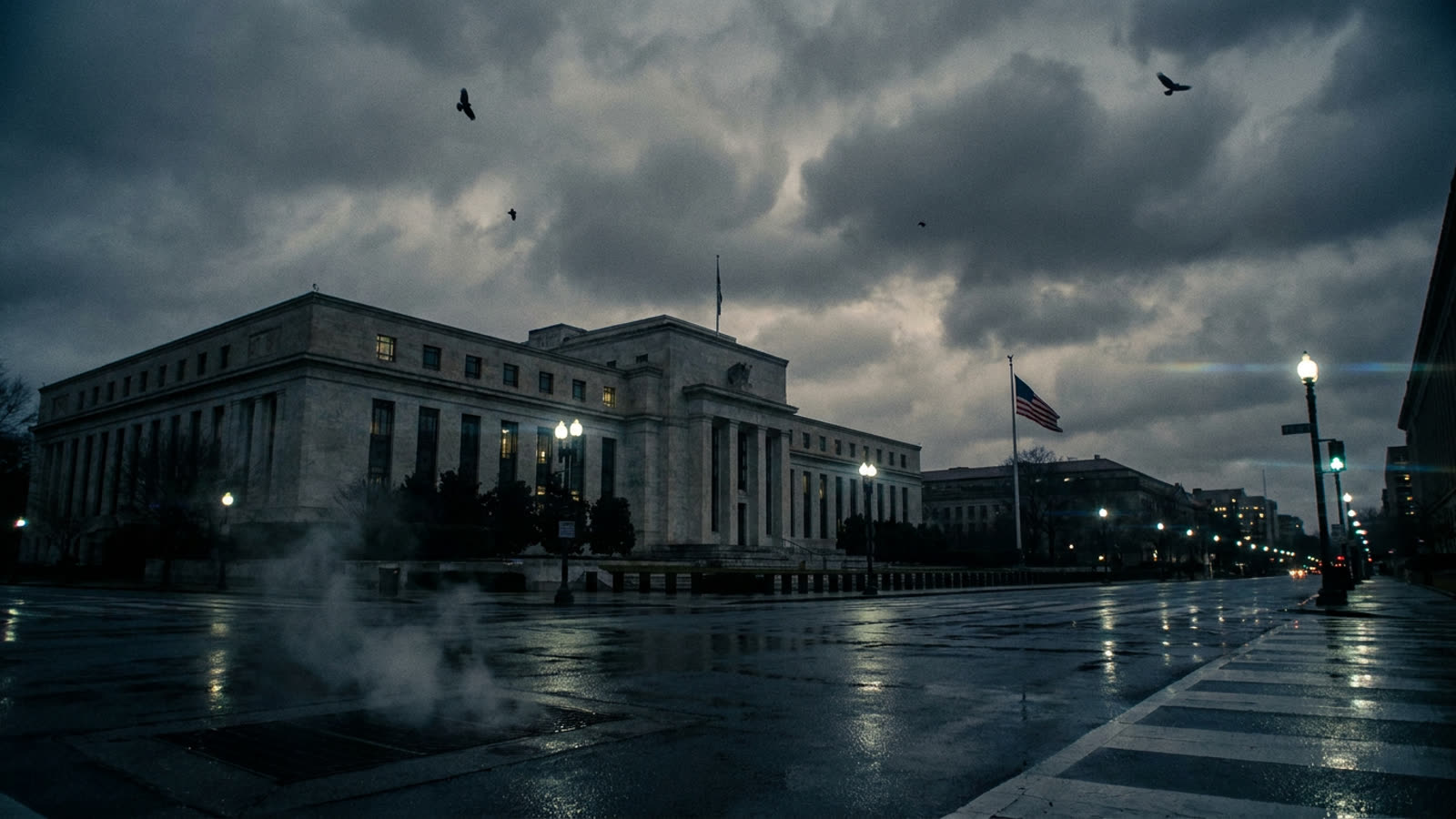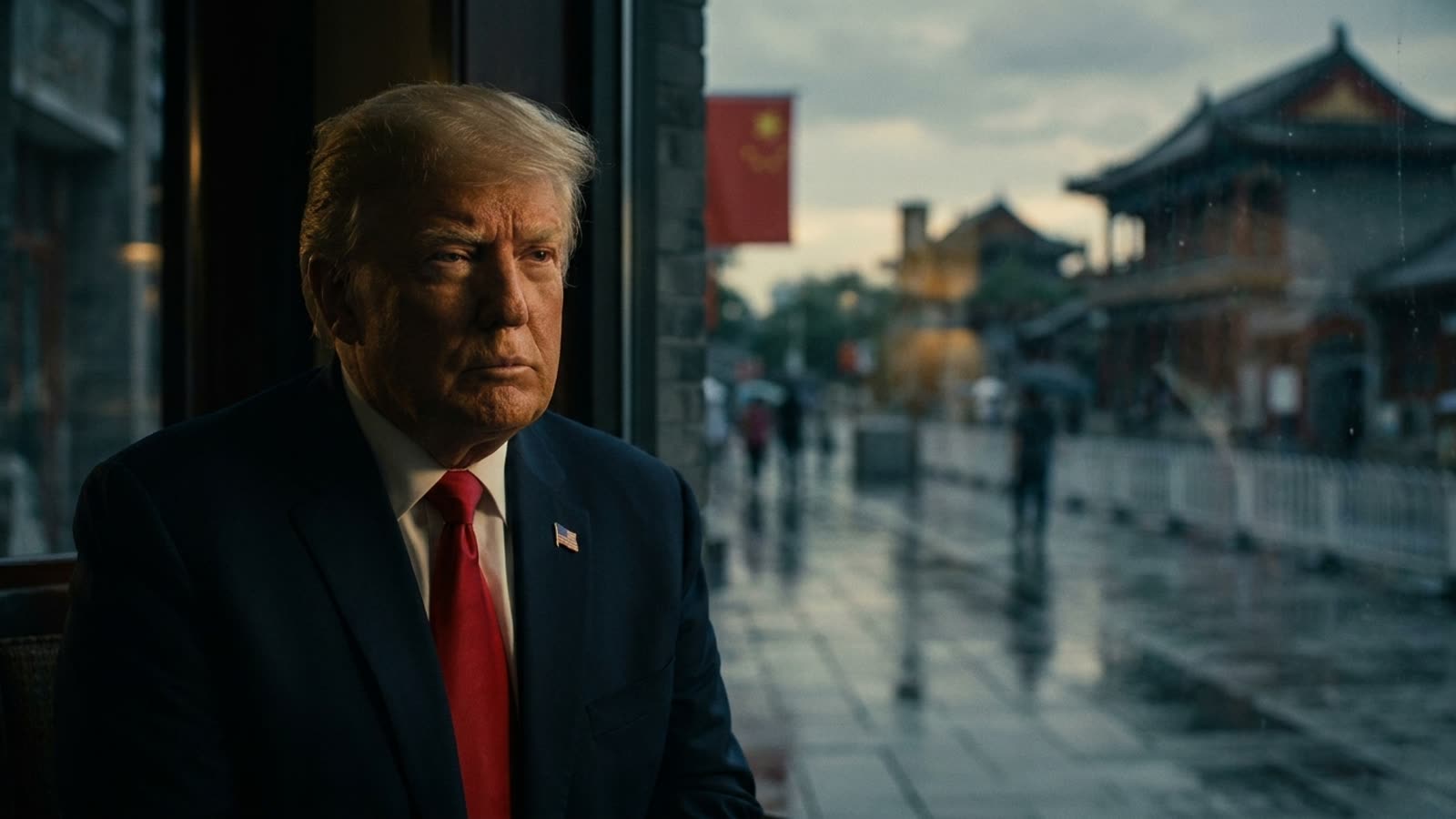
The phrase "grand bargain" has floated through Sino-American relations for decades, always just out of reach. Now, as Donald Trump prepares to visit Beijing, the term is back in circulation—but the underlying arithmetic has changed. America no longer negotiates from a position of overwhelming strength, and China, despite its own vulnerabilities, has learned to wait.
The leverage deficit
Washington's traditional pressure points have eroded faster than most analysts predicted. The tariff regime that once seemed like a decisive weapon has been repeatedly challenged in courts, reworked, and in some cases declared illegal. Supply chains that were supposed to decouple from China have instead diversified into a web of third-country arrangements that still terminate in Chinese factories. Meanwhile, Beijing has methodically reduced its exposure to dollar-denominated assets and built alternative payment systems that, while imperfect, offer insulation from American financial sanctions.
The result is a negotiating table where the US still has cards to play—technology restrictions, alliance networks, consumer market access—but no longer holds a royal flush. Trump, characteristically, seems unbothered by this shift. His team has signaled openness to a comprehensive deal covering trade, Taiwan, and technology in a single package. The ambition is admirable; the execution will require acknowledging limits that previous administrations refused to accept.
What China actually wants
Beijing's wish list is well-known but worth restating: an end to semiconductor export controls, recognition of its sphere of influence in the South China Sea, and a framework for Taiwan that freezes the status quo without requiring formal concessions. What's less discussed is China's own constraints. The property sector remains fragile, youth unemployment stubbornly high, and the demographic cliff is no longer a future problem but a present one.
Xi Jinping needs a win, but not desperately enough to accept humiliating terms. The Chinese strategy appears to be patience dressed as flexibility—offering enough concessions on peripheral issues to keep talks alive while waiting for American domestic politics to create new openings. A second Trump term, with its unpredictable policy swings, may actually suit Beijing better than a more ideologically consistent adversary.
The Taiwan variable
Any grand bargain must address Taiwan, and here the contradictions multiply. Trump has oscillated between treating the island as a bargaining chip and reaffirming traditional security commitments. Beijing interprets this ambiguity as opportunity. A deal that explicitly limits US arms sales or military cooperation would be a genuine concession; anything less is atmospherics.
The danger is that both sides overestimate their ability to manage the Taiwan issue through creative ambiguity. Markets have largely priced in continued tension, but a miscalculation during or after the summit could trigger exactly the kind of crisis that a grand bargain is supposed to prevent.
Our take
The visit will produce photographs, communiqués, and probably some modest agreements on fentanyl precursors or agricultural purchases. A genuine grand bargain—the kind that reorders the relationship for a generation—remains unlikely, not because the leaders lack ambition but because the domestic politics on both sides punish the appearance of weakness. What's changed is that America must now negotiate as a declining hegemon rather than an unchallenged one. Trump may be the ideal president for this moment, precisely because he lacks the ideological commitment to pretend otherwise.