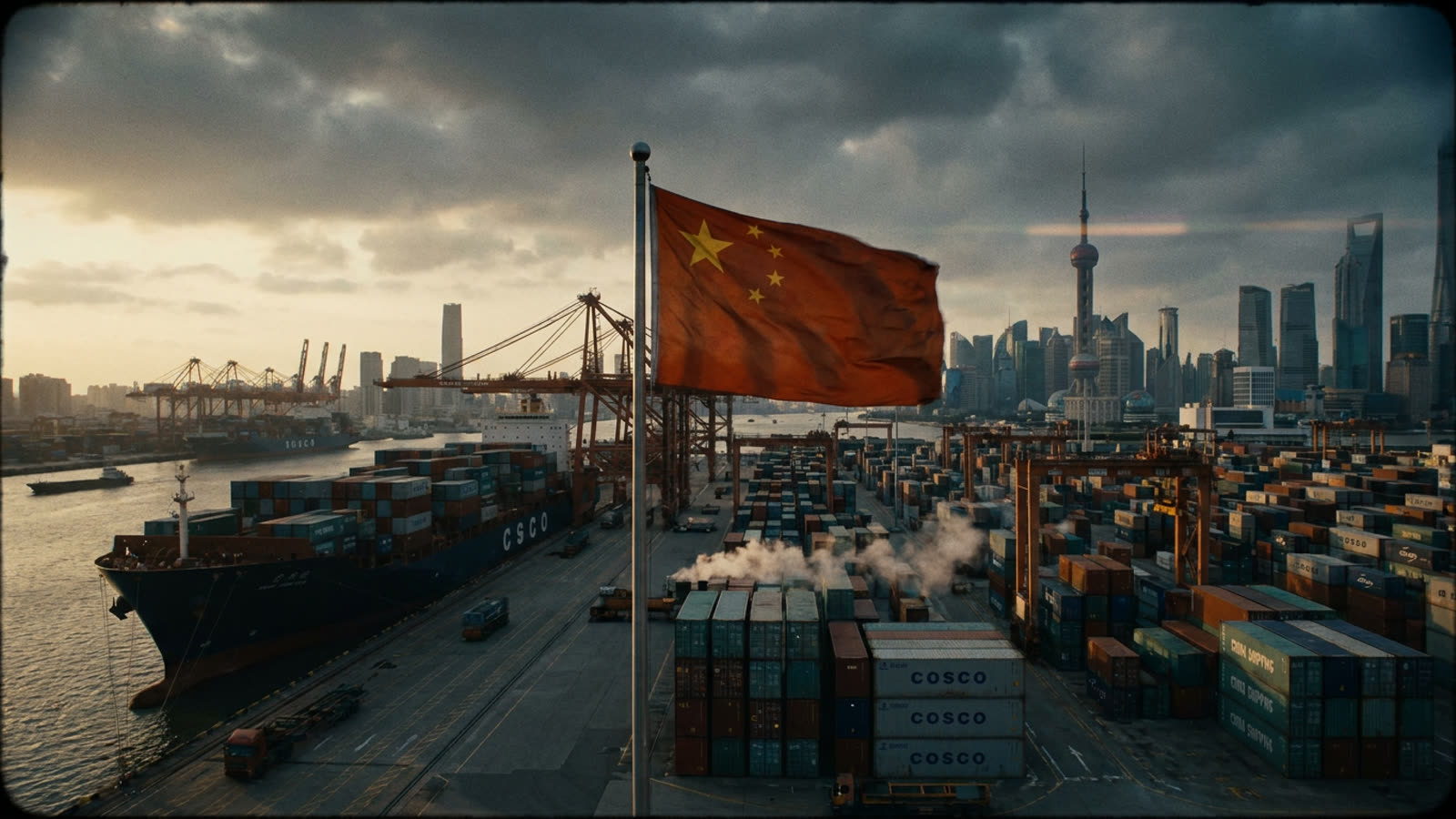
China's export machine has delivered its strongest performance in three years, with shipments jumping 14% year-on-year just days before President Trump arrives in Beijing for his first state visit to China since 2023. The timing could hardly be worse for American negotiators hoping to extract concessions on trade.
The numbers tell a brutal story
China's trade surplus has widened to levels not seen since before the pandemic, driven by surging demand for electric vehicles, solar panels, and advanced manufacturing equipment. The data suggests that five years of escalating tariffs have failed to dent China's industrial prowess—instead, they've accelerated Beijing's push into higher-value exports.
The shift is particularly stark in sectors Washington hoped to protect. American manufacturers now find themselves competing not just on price but on technology, as Chinese firms have used the trade war period to move aggressively up the value chain. Southeast Asian nations that were supposed to benefit from supply chain diversification have instead become processing hubs for Chinese components, creating what trade economists call "tariff laundering" on an industrial scale.
Beijing holds the better cards
The export surge hands Xi Jinping considerable leverage as he prepares to host Trump next week. Chinese officials have been notably confident in recent weeks, suggesting they believe the economic data speaks for itself. The American president, facing an election year with persistent inflation and a manufacturing sector that hasn't recovered as promised, needs a win more than his counterpart.
The summit agenda officially focuses on security cooperation and climate commitments, but trade will dominate behind closed doors. Trump's team is reportedly considering a face-saving "grand bargain" that would ease some tariffs in exchange for increased agricultural purchases and vague promises on intellectual property protection—essentially admitting defeat while claiming victory.
Our take
The trade war's failure was entirely predictable to anyone who understood China's industrial ecosystem and political economy. Tariffs were always a crude instrument for a sophisticated problem. While American policymakers debated punitive measures, Chinese firms were investing in automation, developing their own semiconductor capabilities, and building trade relationships that bypass the United States entirely. Next week's summit will likely produce the usual diplomatic theater, but the underlying reality is clear: China has won this round, and both leaders know it.