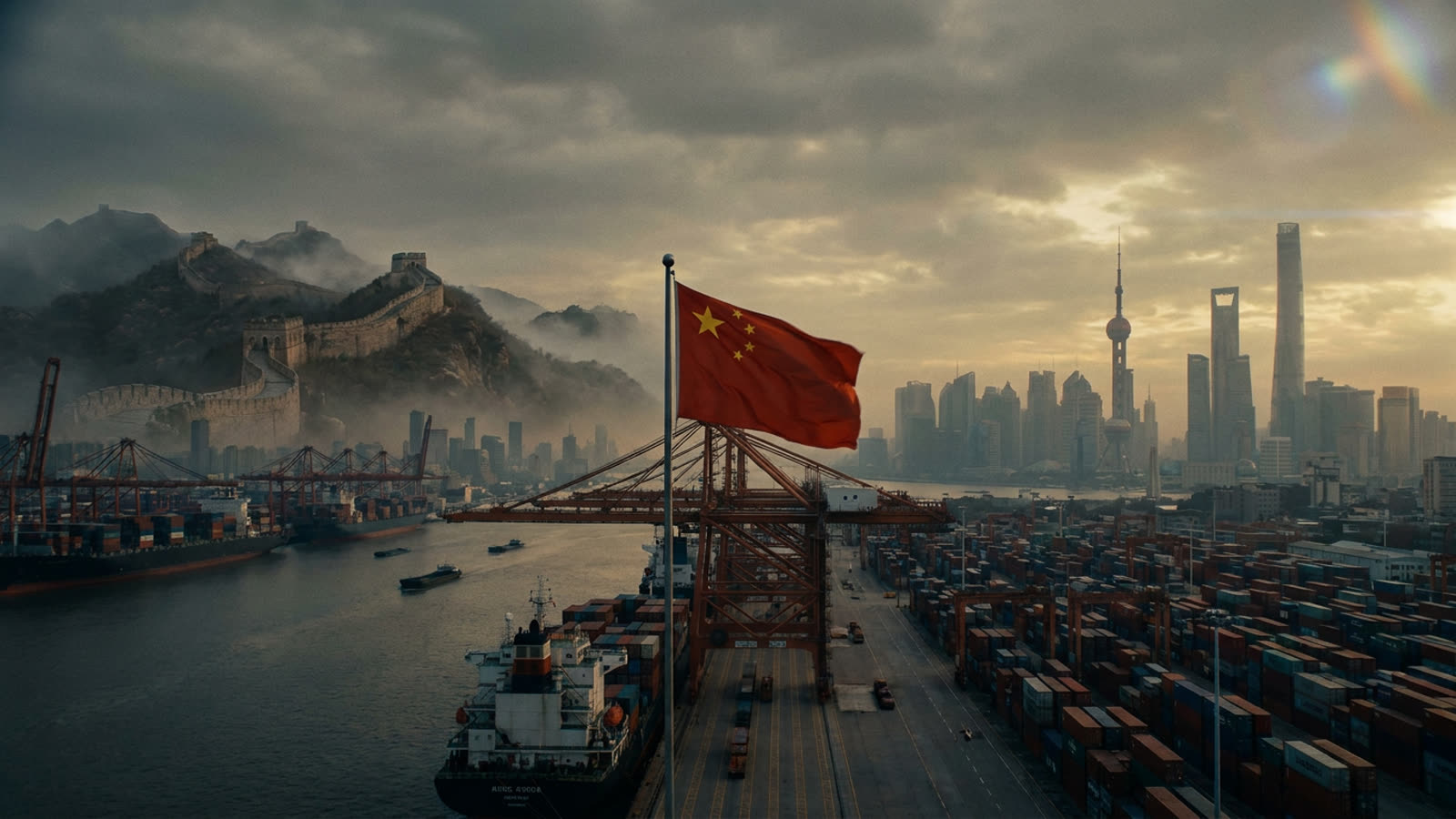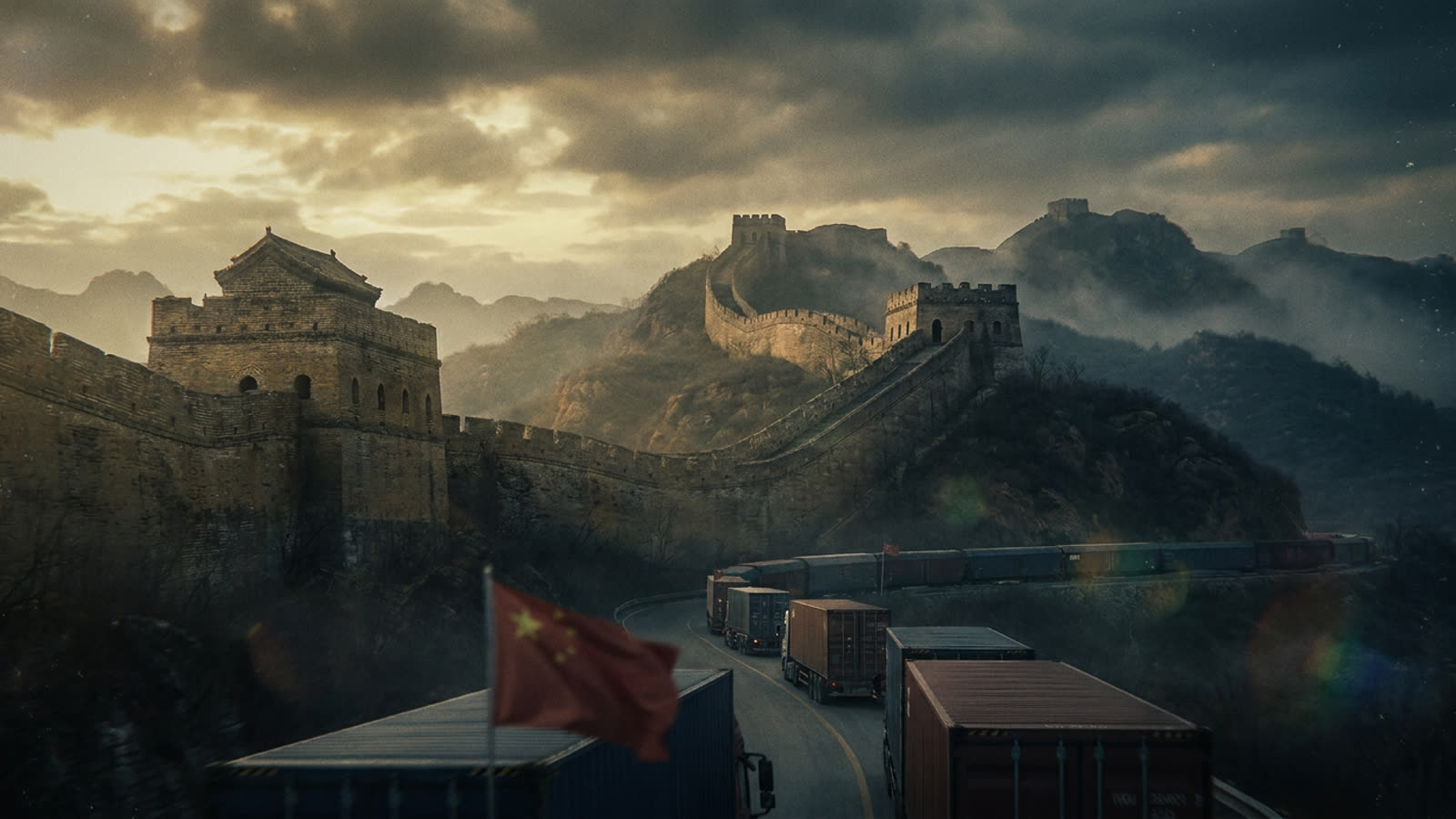
The numbers landed with exquisite timing. Days before President Trump boards Air Force One for Beijing, China reported a 14 percent year-on-year jump in exports, delivering a robust trade surplus that functions as both economic data and diplomatic messaging. The takeaway is uncomfortable but unavoidable: America's tariff regime, the centerpiece of two administrations' China strategy, has not worked.
This is not a story about Chinese resilience alone. It is a story about the limits of economic coercion when applied to the world's most sophisticated manufacturing ecosystem. Chinese factories have spent years diversifying away from American buyers, deepening ties with Southeast Asia, the Middle East, and an increasingly receptive Global South. The tariffs raised costs for American consumers and complicated supply chains for American companies, but they did not achieve their stated goal of rebalancing trade or forcing Beijing to the negotiating table on Washington's terms.
The summit's shifting leverage
Trump arrives in Beijing with considerably less bargaining power than his rhetoric suggests. The original tariff strategy assumed China needed American markets more than America needed Chinese goods. That assumption has aged poorly. Chinese manufacturers have proven adept at rerouting exports through third countries, upgrading their industrial base, and cultivating alternative customers. Meanwhile, American retailers and manufacturers remain deeply dependent on Chinese components, a dependency that no amount of "reshoring" talk has meaningfully reduced.
Beijing, for its part, understands that triumphalism would be counterproductive. Chinese officials have signaled willingness to discuss a "grand bargain" precisely because they recognize that humiliating Washington serves no long-term interest. The question is whether Trump can accept a deal that acknowledges the new reality without appearing to capitulate.
What the data actually shows
The 14 percent export surge reflects several converging factors: recovering global demand, particularly in emerging markets; continued strength in electronics and machinery; and the sheer scale advantages that Chinese manufacturers enjoy. Notably, exports to the United States did not drive the growth. China has successfully reduced its dependence on the American consumer even as it maintains its position as the world's factory floor.
This diversification is the tariff strategy's most significant failure. The goal was to make China economically vulnerable to American pressure. Instead, it accelerated China's pivot toward a more multipolar trading network, one in which American leverage diminishes with each passing year.
Our take
The summit will produce handshakes, communiqués, and carefully staged photo opportunities. It may even yield modest agreements on trade irritants or symbolic gestures toward cooperation. What it will not produce is a return to the pre-tariff status quo or a fundamental shift in the economic balance of power. China's export surge is a reminder that economic warfare, like its military counterpart, rarely goes according to plan. Washington wanted to teach Beijing a lesson about American power. Beijing learned a different lesson entirely: how to thrive without American permission.