The Bering Sea has claimed another Deadliest Catch veteran, and at this point the show's title reads less like branding and more like actuarial disclosure.
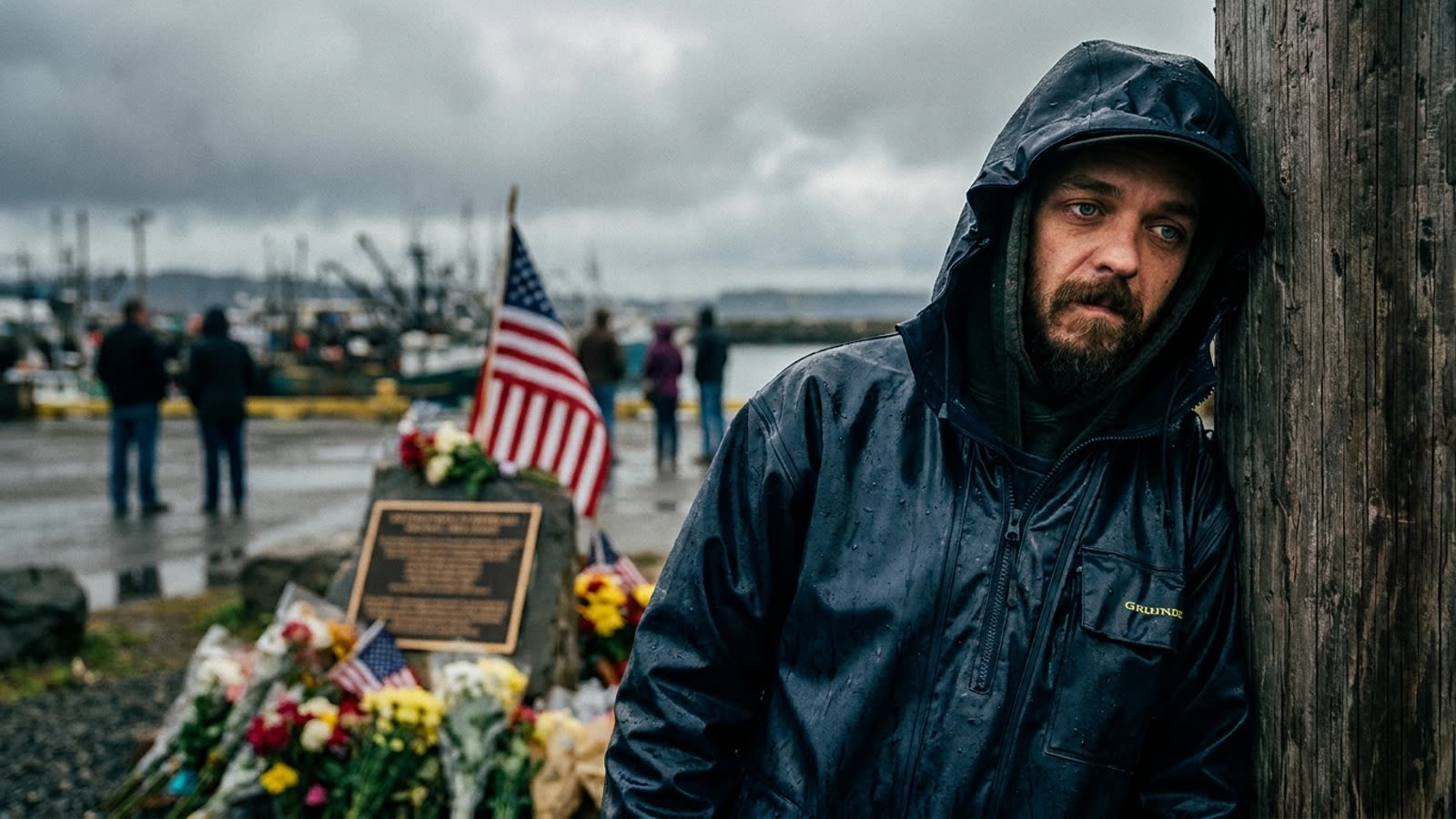
Todd Meadows, who appeared on Discovery's flagship crab-fishing series and worked the Alaskan waters for decades, has died at 48. The cause hasn't been disclosed, but the timing places him in a growing roster of cast members who haven't survived to see the show's third decade on air. Captain Phil Harris, deckhand Justin Tennison, Captain Tony Lara, Captain Keith Colburn's brother—the list has grown long enough that Wikipedia maintains a dedicated section.
The uncomfortable math
Commercial fishing remains the deadliest profession in America by fatality rate, a fact the show has never let viewers forget. What Deadliest Catch perhaps didn't anticipate when it premiered in 2005 was that it would run long enough to become a longitudinal study of that danger. Twenty-one seasons in, the show has documented not just the work but its human cost—heart attacks at sea, accidents on deck, and the slower erosions of bodies pushed past reasonable limits in freezing conditions for months at a time.
Meadows was a working fisherman first, a television personality second. He appeared on the show because he was already doing the job, not the reverse. That authenticity is precisely what makes the mortality pattern so disquieting: these aren't stunt performers or actors playing roles. They're men whose actual lives—and deaths—have become content.
Reality TV's danger premium
The genre has always traded on risk. Ice Road Truckers, Ax Men, Swamp People—Discovery built an empire on blue-collar peril, and audiences responded. The formula works because the danger is real, which means the consequences occasionally are too. Networks have learned to fold tragedy into their narratives rather than away from it; memorial episodes reliably draw ratings.
But Deadliest Catch occupies a particular position. It has run so long, with such a consistent cast, that viewers have formed parasocial relationships spanning decades. When someone dies, it registers differently than a news item about a stranger. The show has manufactured intimacy with men whose profession was already killing them at elevated rates.
Our take
There's nothing exploitative about documenting dangerous work—the fishing industry existed long before cameras arrived, and it will continue after they leave. But twenty-one seasons is long enough to notice patterns. Todd Meadows is mourned by his family, his crewmates, and millions of viewers who watched him work. He's also, unavoidably, another data point in a show that has outlived a statistically improbable number of its stars. At some point, the deadliest catch isn't crab.