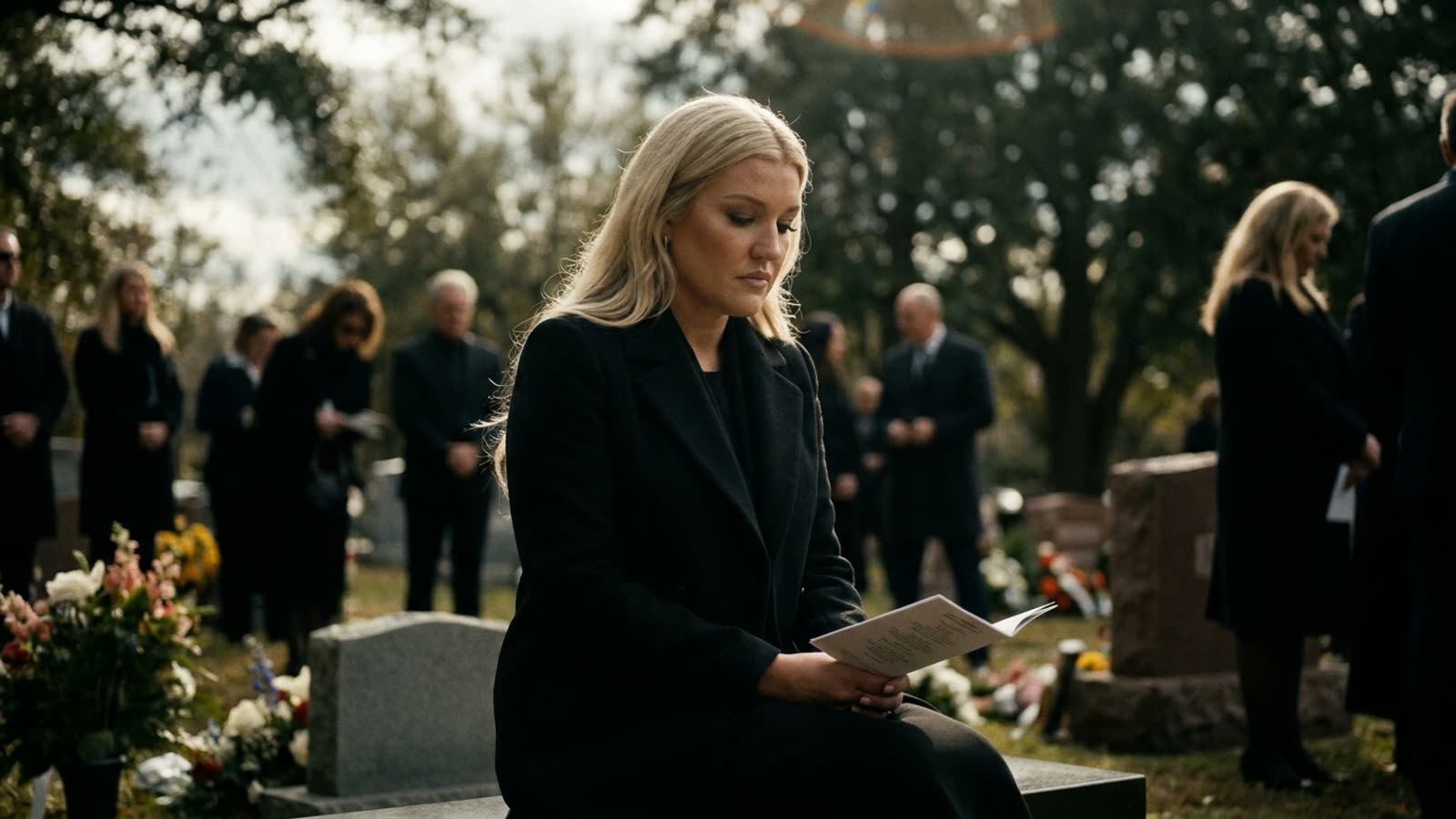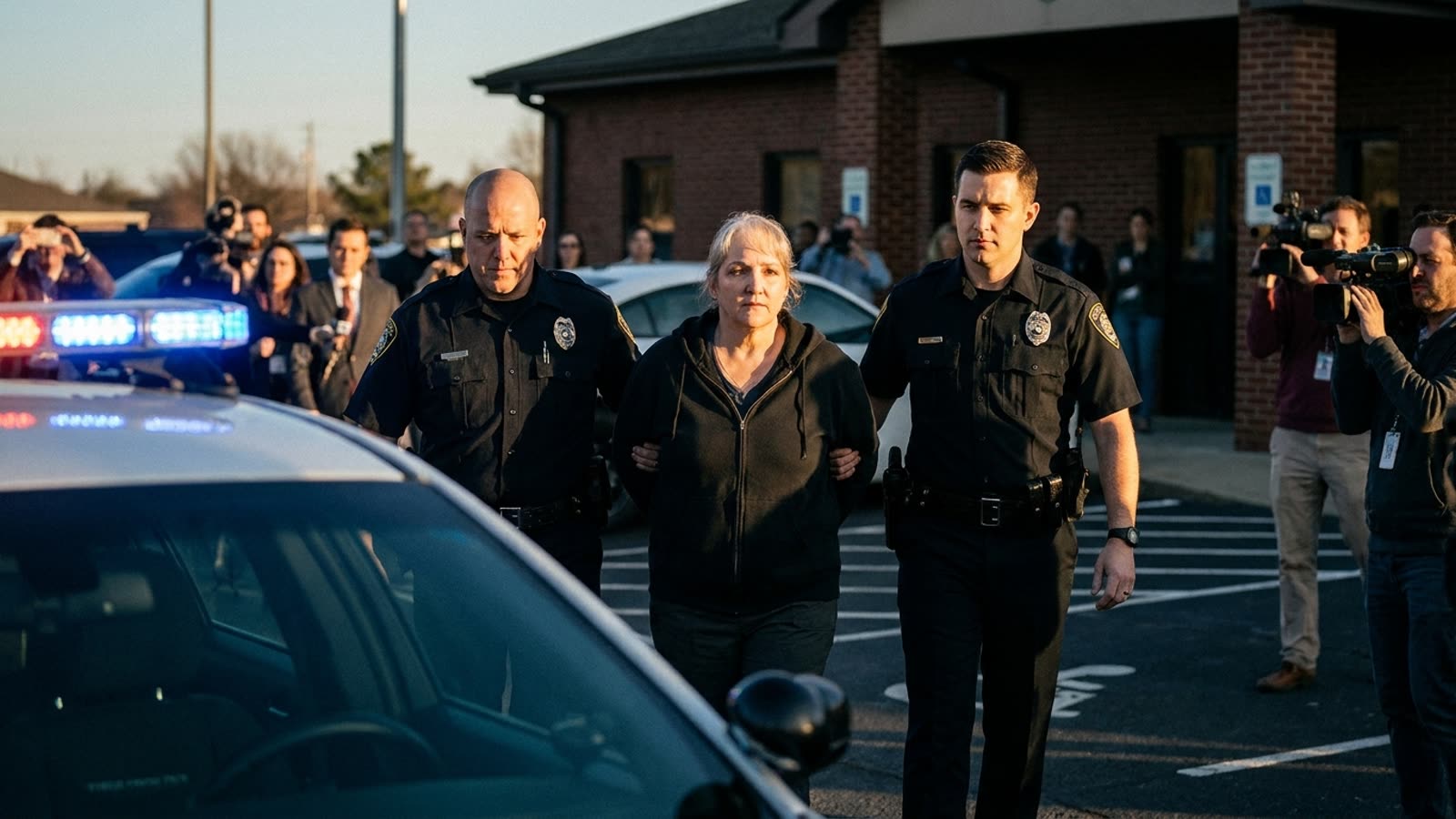
Few true-crime cases capture the particular American fixation on wealth, betrayal, and feminine villainy quite like that of Celeste Beard Johnson, the Austin socialite convicted in 2003 of masterminding the murder of her fourth husband, television executive Steven Beard. Now, more than two decades after the sensational trial that riveted Texas, Johnson is approaching eligibility for release from the Mountain View Unit in Gatesville—and the true-crime industrial complex is already sharpening its pencils.
The case had everything: a 70-year-old millionaire shot in his bed, a younger wife with a troubled past, a lesbian lover who pulled the trigger, twin daughters who testified against their mother, and enough courtroom drama to fuel multiple documentaries, podcasts, and a Lifetime movie. Johnson, sentenced to life with the possibility of parole, has maintained her innocence from behind bars, insisting she was framed by Tracey Tarlton, the former lover who confessed to the shooting.
The original sin
Steven Beard was shot in the stomach with a shotgun in October 1999 while sleeping at his Westlake Hills estate. He survived initially but died months later from complications. Prosecutors argued that Johnson, who stood to inherit millions, manipulated Tarlton—a troubled bookstore manager she met at a psychiatric facility—into committing the murder. Tarlton received a 20-year sentence in exchange for testimony; Johnson got life.
The trial exposed a portrait of excess and dysfunction: Johnson's spending habits, her previous marriages, allegations of abuse she suffered as a child, and the complicated dynamics with her twin daughters, who ultimately sided with prosecutors. It was tabloid gold dressed in Hill Country respectability.
Why now matters
Johnson's case resurfaces at a moment when the true-crime genre has evolved from niche obsession to mainstream entertainment category. Streaming platforms have turned convicted killers into content franchises, and cases involving wealthy women—from the Murdaugh saga to various "Black Widow" narratives—consistently outperform. A Celeste Beard Johnson release would generate immediate documentary interest, podcast revivals, and the inevitable question of whether she'll speak publicly after decades of silence.
Texas parole decisions are notoriously opaque, and Johnson's release is not guaranteed. But the mere possibility has already activated the network of amateur sleuths, victim advocates, and entertainment producers who orbit these cases like moths around a particularly lucrative flame.
Our take
There's something uncomfortable about the eagerness with which we await the release of convicted murderers, not for justice reasons but for content reasons. Celeste Beard Johnson's story is genuinely fascinating—a collision of class, sexuality, manipulation, and violence that resists easy categorization. But the machinery now assembling around her potential freedom says as much about our entertainment appetites as it does about her crimes. She's not a person anymore; she's IP.