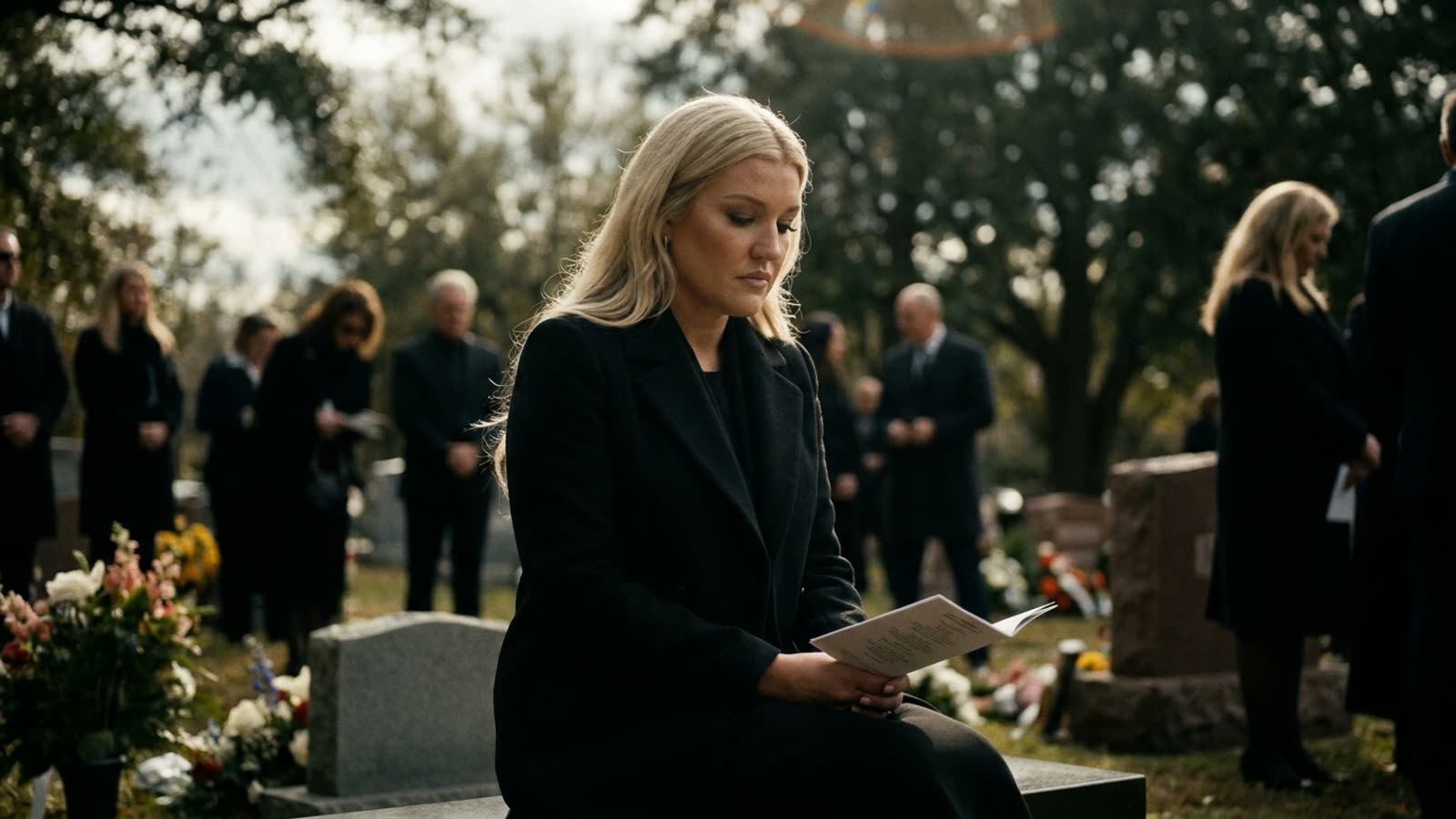
Erika Kirk, widow of Turning Point USA founder Charlie Kirk, has publicly denied rumors that she has moved on to a new relationship, calling the speculation "disgusting" and "hurtful" in social media posts this week. Her husband died just weeks ago, and the rumor mill has already begun churning out narratives about her romantic life—a grim reminder that proximity to fame comes with an expiration date on sympathy.
The episode is less about Erika Kirk herself, who maintained a relatively low profile during her husband's rise as a conservative media fixture, than about the mechanics of grief in the age of parasocial relationships. When a public figure dies, their family members are thrust into a spotlight they may never have sought, forced to perform mourning for an audience that feels entitled to opinions about their timeline.
The parasocial contract's fine print
Charlie Kirk built a media empire on direct engagement with his audience—podcasts, social media, campus tours. That intimacy created a fanbase that felt ownership over his story. In death, that sense of ownership transfers to his survivors. Erika Kirk is now subject to the same scrutiny her husband courted, but without the infrastructure or inclination to manage it.
The boyfriend rumor appears to have originated from a misidentified photograph and spiraled from there, a familiar pattern in the misinformation economy. What's notable is how quickly it gained traction. The audience that consumed Charlie Kirk content daily now consumes speculation about his widow with the same appetite.
Widowhood as content
American celebrity culture has always had a complicated relationship with grieving spouses. Jackie Kennedy became an icon partly through her performance of dignified mourning; Courtney Love was vilified for her messier version. The rules are unwritten but rigid: grieve visibly but not excessively, maintain the deceased's legacy, and above all, do not appear to move on too quickly.
The timeline for "too quickly" is determined by strangers on the internet, and it is always shorter than anyone imagines. Patton Oswalt faced backlash for remarrying 15 months after his wife's death. For women, the scrutiny tends to be harsher and arrives faster.
Erika Kirk's denial was notably emphatic—she called the rumor "a complete lie" and expressed frustration that she had to address it at all. That frustration is understandable but strategically complicated. Engaging with rumors amplifies them; ignoring them allows them to calcify into accepted narrative.
The conservative media ecosystem factor
Charlie Kirk operated in a media environment where personal attacks and speculation are currency. His audience is accustomed to this mode of discourse, which may explain why rumors about his widow gained traction so quickly within that ecosystem. The tools of engagement that built Turning Point USA—outrage, speculation, rapid-fire content—are now being turned on his family.
This is not unique to conservative media, but the speed and intensity of the rumor cycle reflects the particular dynamics of that space. Kirk's allies have rallied to Erika's defense, but the damage of having to publicly deny dating rumors while still in acute grief is already done.
Our take
Erika Kirk did not choose public life; she married someone who did. The distinction should matter but increasingly does not. The parasocial economy that enriched her husband now extracts its toll from her, demanding content—even if that content is a denial of false rumors about her love life. She handled it with more grace than the situation deserved. The audience that created the rumor will move on to the next speculation within days, leaving her to grieve in whatever privacy she can salvage. The cruelty is not intentional; it is structural. That makes it worse.