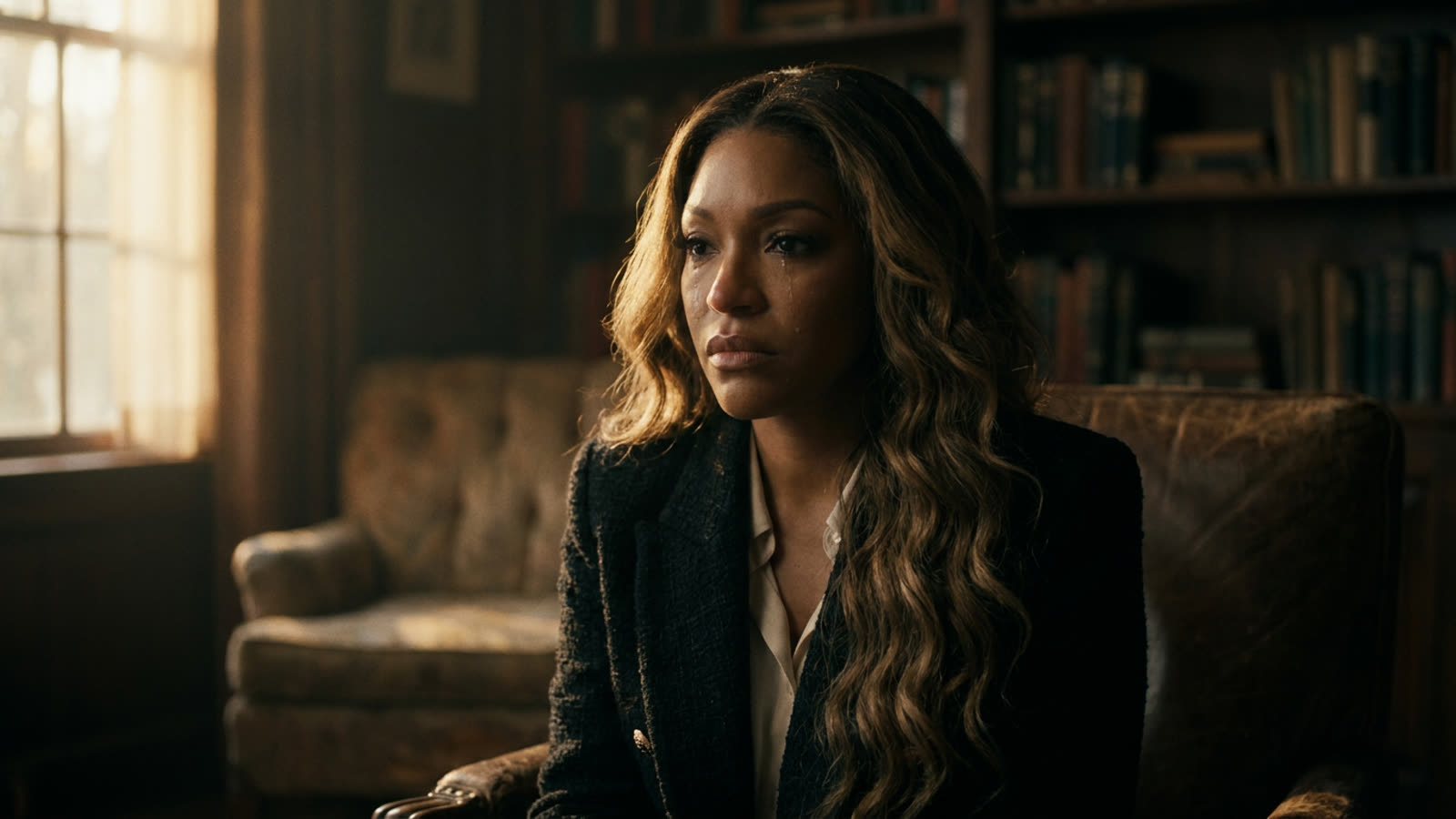
Every Real Housewives divorce follows the same arc: whispers at reunion tapings, cryptic Instagram captions, a tearful confessional, and finally the press release announcing an "amicable" split that is anything but. Drew Sidora's unraveling marriage to Ralph Pittman has hit every beat with metronomic precision, yet the actress-turned-reality-star seems determined to squeeze content from every painful moment.
Sidora, who joined RHOA in its thirteenth season after a modest acting career that peaked with a supporting role in Step Up, has transformed her domestic turmoil into a storyline that refuses to end. The couple's separation, reconciliation, and subsequent re-separation have played out across multiple seasons, social media platforms, and now, reportedly, courtroom filings that promise to surface in future episodes.
The Bravo Machine Demands Sacrifice
The network's reality empire has always thrived on marital dysfunction. From Bethenny Frankel's scorched-earth divorce to the Giudice family's legal implosion, Bravo has perfected the art of monetizing personal catastrophe. What distinguishes Sidora's situation is the transparency of the transaction. She arrived on the show with a marriage already straining; she's stayed by feeding it into the content grinder.
This isn't exploitation in the traditional sense—Sidora is a willing participant, and presumably a compensated one. But the feedback loop between personal crisis and professional opportunity creates incentives that would give any therapist pause. When reconciliation means losing a storyline, and separation means securing another season, the math becomes perverse.
Atlanta's Shifting Landscape
RHOA itself is navigating uncertain terrain. Once the crown jewel of the Housewives franchise, the Atlanta edition has struggled with cast turnover and declining ratings since the departures of NeNe Leakes and Kenya Moore. Sidora represents the show's attempt to rebuild around newer faces, but her narrative has yet to generate the cultural penetration of her predecessors' moments.
The show's producers face a familiar dilemma: how much personal destruction is too much? The Housewives format works best when conflict stays within the realm of champagne-throwing and accusation-hurling. When it tips into genuine human suffering—custody battles, addiction, financial ruin—the entertainment calculus shifts uncomfortably.
Our take
Drew Sidora isn't a victim of reality television; she's a practitioner who understood the assignment. But there's something exhausting about watching the same transaction repeat across decades of programming. The Housewives franchise sells the fantasy that wealthy women's problems are entertaining precisely because they're not ours. When the cameras capture actual pain rather than performed outrage, the fantasy breaks down. Sidora will likely emerge from her divorce with another season secured and a podcast deal pending. Whether she'll emerge with anything resembling privacy is another question entirely.