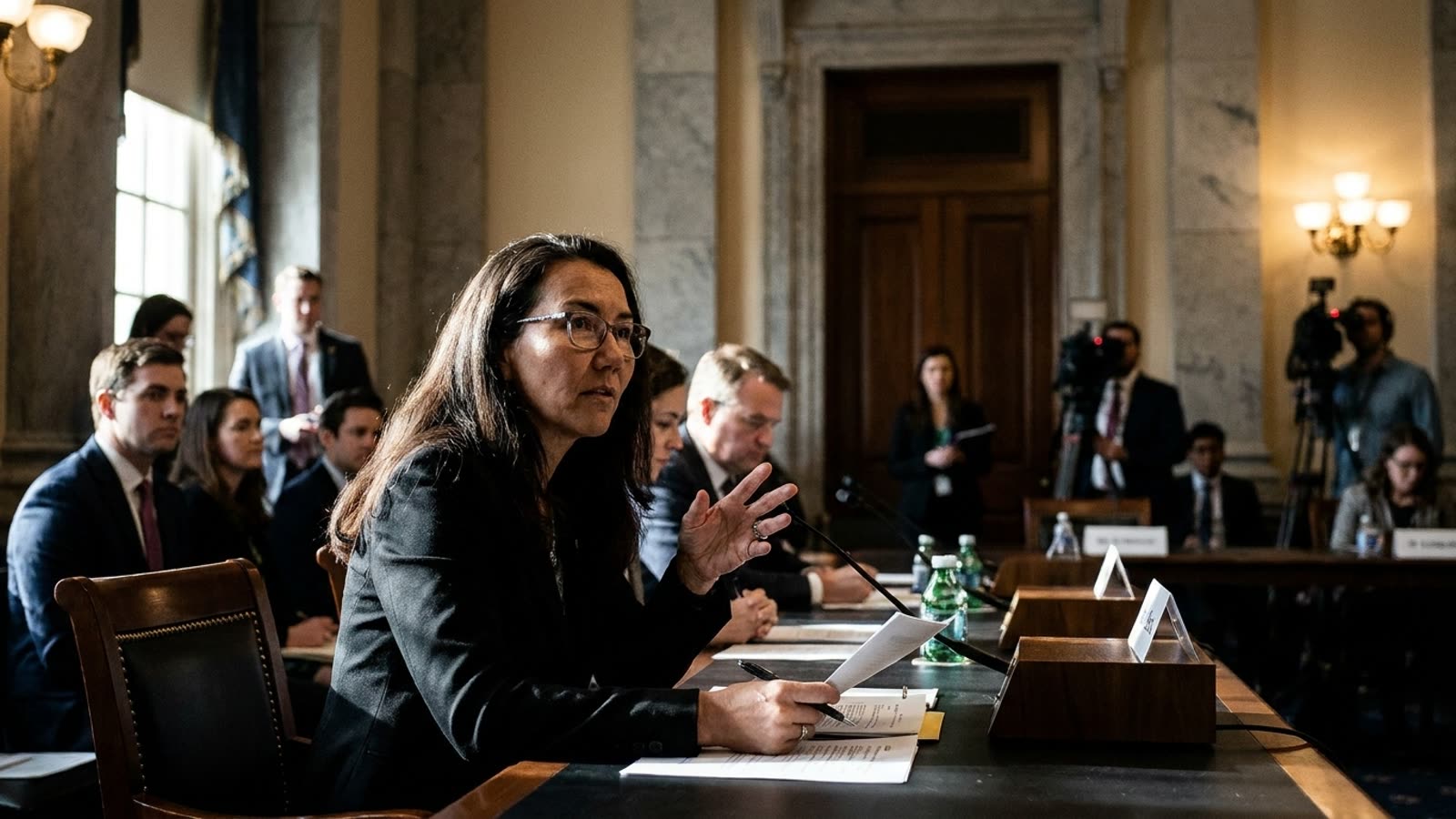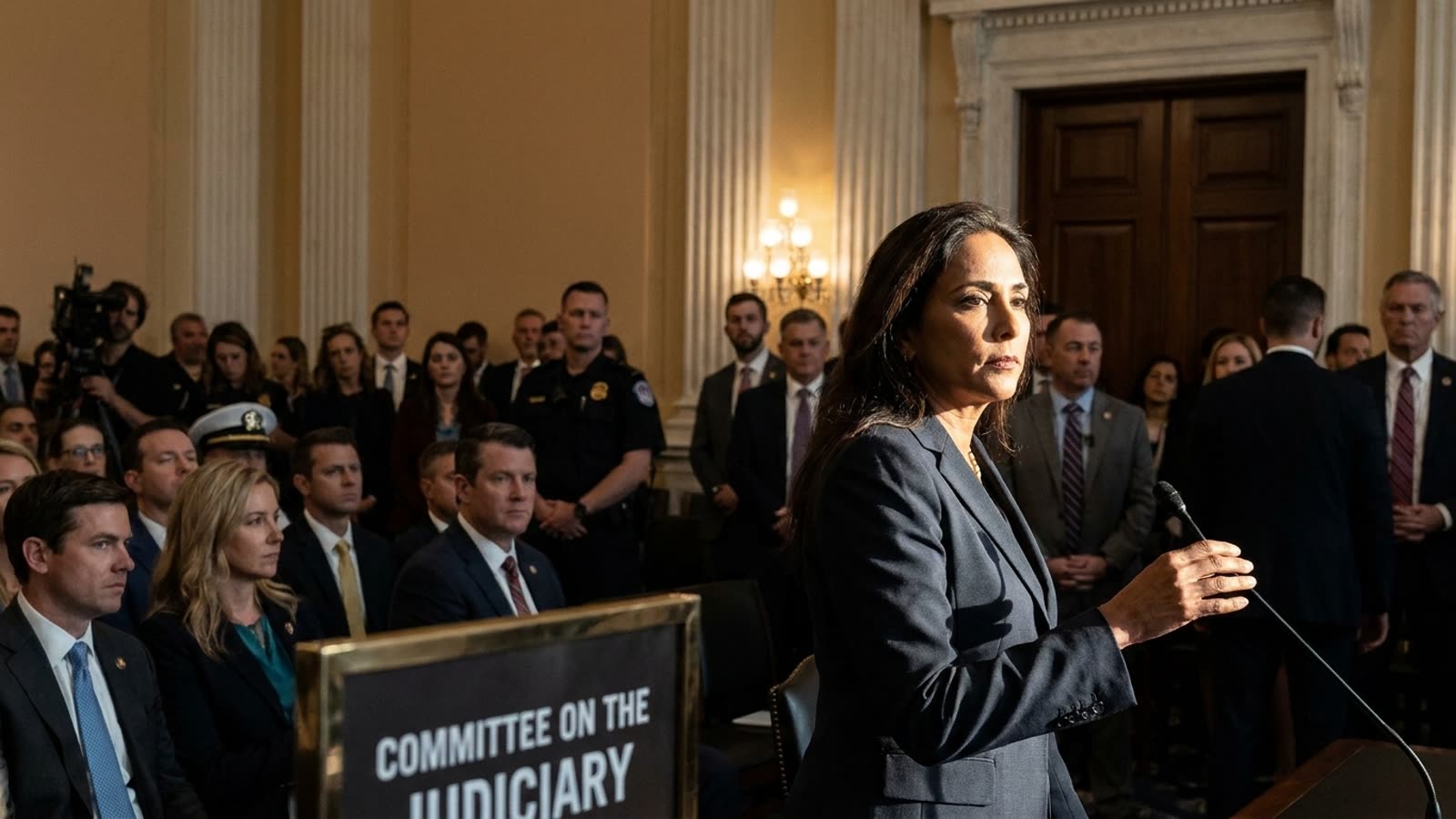
The men who built the future spent two years cosplaying as courtiers, and now the court has been dissolved. Tuesday's Democratic sweep — which handed the party unified control of Congress and delivered a stinging rebuke to President Trump — has left Silicon Valley's most prominent Trump allies in an awkward crouch, their political capital evaporating alongside their influence.
The roster of tech figures who migrated toward Trump reads like a who's who of pandemic-era wealth: venture capitalists who hosted fundraisers, founders who amplified his messaging, executives who accepted advisory roles that yielded photo opportunities but little discernible policy. They bet that proximity to power would yield favorable regulatory treatment, immigration carve-outs for skilled workers, and protection from antitrust scrutiny. What they got instead was association with an administration that voters just repudiated by historic margins.
The transactional logic that failed
The calculation was never ideological for most of these donors. It was transactional: Trump's Justice Department had shown flexibility on merger review, his FTC had been friendlier to platform consolidation than its Biden-era predecessor, and his Treasury offered crypto-friendly signals that the industry craved. The implicit bargain was simple — access in exchange for legitimacy.
But transactional relationships require both parties to deliver. Trump delivered chaos, tariff whiplash, and an AI policy vacuum that left American companies uncertain about export controls and compute restrictions. The tech donors delivered checks and endorsements. Now Democrats control the committees that will write AI legislation, oversee antitrust enforcement, and hold hearings on platform accountability. The donors' investments have yielded negative returns.
What comes next
The incoming Democratic majorities have already signaled appetite for aggressive oversight. Senator-elect Chris Pappas, who will chair a key commerce subcommittee, campaigned explicitly on reining in what he called "tech oligarchs who confused their bank accounts with democratic mandates." Representatives from swing districts that flipped blue ran ads tying their Republican opponents to unpopular tech figures who had embraced Trump.
For the billionaires themselves, the pivot has already begun. Spokespeople are emphasizing bipartisan histories, charitable foundations, and commitments to "working with whoever is in office." The fundraiser photos are being quietly memory-holed. The advisory board memberships are being described as brief and inconsequential.
Our take
There is something clarifying about watching very smart people make very dumb bets. The tech billionaires who aligned with Trump mistook his transactional nature for reliability and his chaos for leverage they could exploit. They forgot that in democracies, the public occasionally gets a vote, and that vote can render all that carefully cultivated access worthless overnight. The next two years will be uncomfortable for them — not because Democrats are vindictive, but because they no longer need to pretend these men matter.