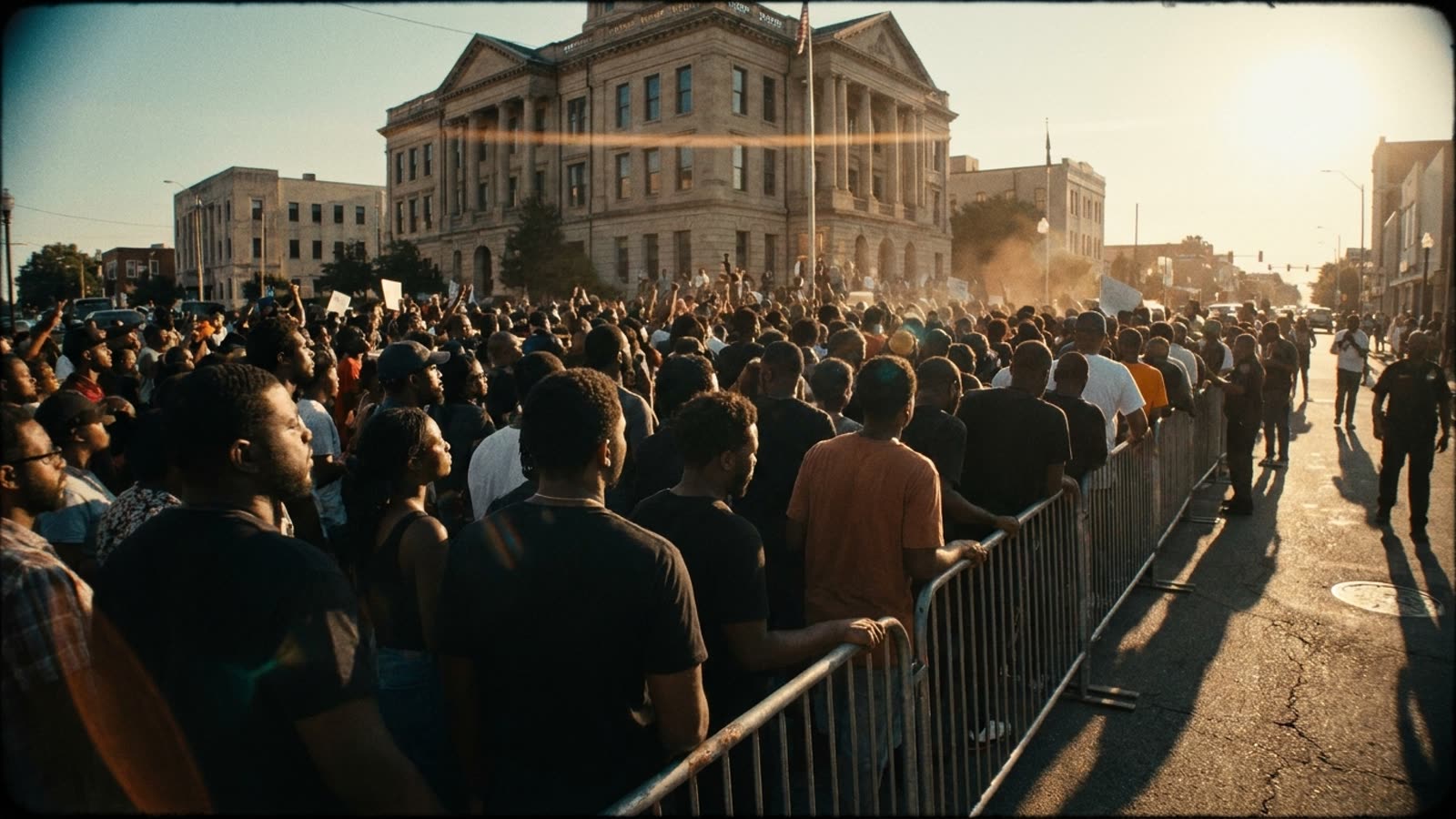
The 2026 midterms will be remembered as the election where Democrats rediscovered the South — not by moderating their message, but by making it unmistakably about race. Black voter turnout across the former Confederacy surged to levels not seen since the Obama coalition's peak, and the results reshaped the political map in ways that will reverberate for a generation.
The formula was counterintuitive by the standards of recent Democratic strategy. Rather than tiptoeing around racial grievance to court suburban moderates, candidates in Georgia, North Carolina, Mississippi, and Alabama leaned into it. They made redistricting — the unglamorous machinery of representation — into a visceral campaign issue. They tied Republican-led cuts to Medicaid, food assistance, and historically Black colleges directly to the lived experience of their constituents. And they framed the ongoing legislative assault on Black history curricula not as a culture-war distraction but as an attack on collective memory.
The turnout nobody predicted
Pollsters and pundits spent the summer warning that Black voter enthusiasm was soft. The usual indicators — early-vote requests, volunteer sign-ups, small-dollar donations — suggested a dispirited electorate exhausted by two years of Trump's second term. What the models missed was the organizing happening outside traditional party infrastructure: church networks, barber shops, HBCU campuses, and a new generation of Black political podcasters who reached audiences the Democratic National Committee had never figured out how to contact.
The results speak for themselves. In Mississippi, Scott Colom's Senate victory was powered by Black turnout in the Delta that exceeded even the most optimistic projections. In Georgia, Democrats held their ground in Atlanta's suburbs while running up unprecedented margins in majority-Black rural counties. North Carolina flipped its state legislature on the strength of Black precincts in Charlotte, Greensboro, and the historically disenfranchised northeastern corner of the state.
Why this time was different
The conventional wisdom holds that Black voters are the most reliable Democratic constituency — so reliable, in fact, that the party can take them for granted while chasing persuadable whites. The 2026 cycle broke that pattern in both directions. Democrats invested heavily in Black-specific outreach, and Black voters rewarded them with turnout that defied historical patterns for a midterm.
The catalysts were concrete and recent. Republican-controlled legislatures had spent the previous two years redrawing congressional and state legislative maps to dilute Black voting power, often with brazen contempt for the Voting Rights Act's remaining protections. The Trump administration's budget cuts hit programs — community health centers, Pell Grants, rural broadband — that disproportionately served Black communities. And the crusade against "critical race theory" had metastasized into actual book bans and curriculum purges that erased figures like Harriet Tubman and Frederick Douglass from public school classrooms.
These weren't abstract policy disputes. They were felt injuries, and Democratic candidates treated them as such.
Our take
The lesson here is not that Democrats have solved their problem with the South. One good midterm does not erase decades of regional decline, and the structural disadvantages — gerrymandering, voter-ID laws, the Senate's rural bias — remain formidable. But 2026 proved something important: Black voters will turn out when they believe the stakes are real and the party is fighting for them, not just expecting their votes as tribute. The question now is whether Democrats remember that lesson when the next presidential cycle tempts them to chase the mythical moderate white voter all over again.