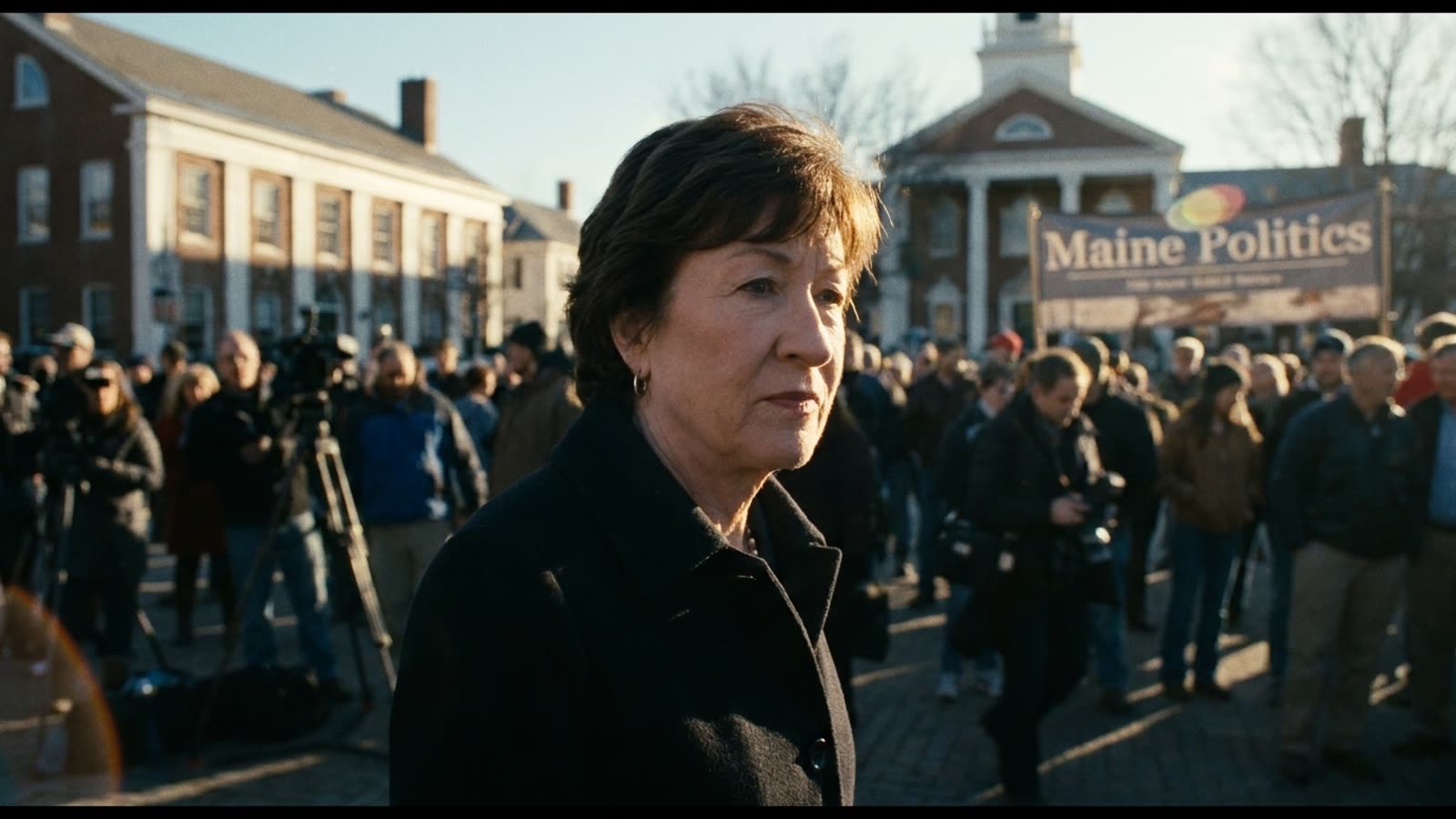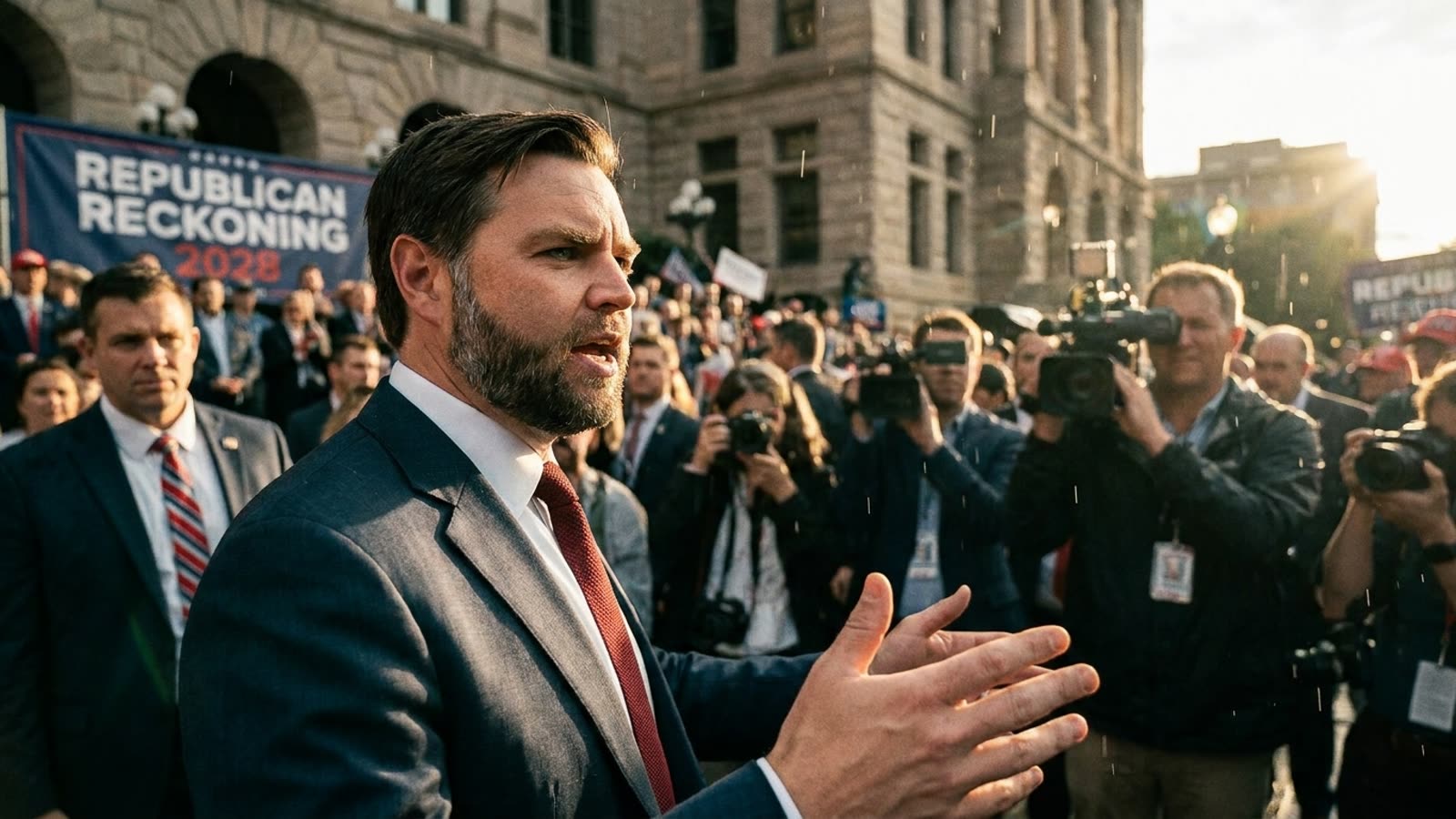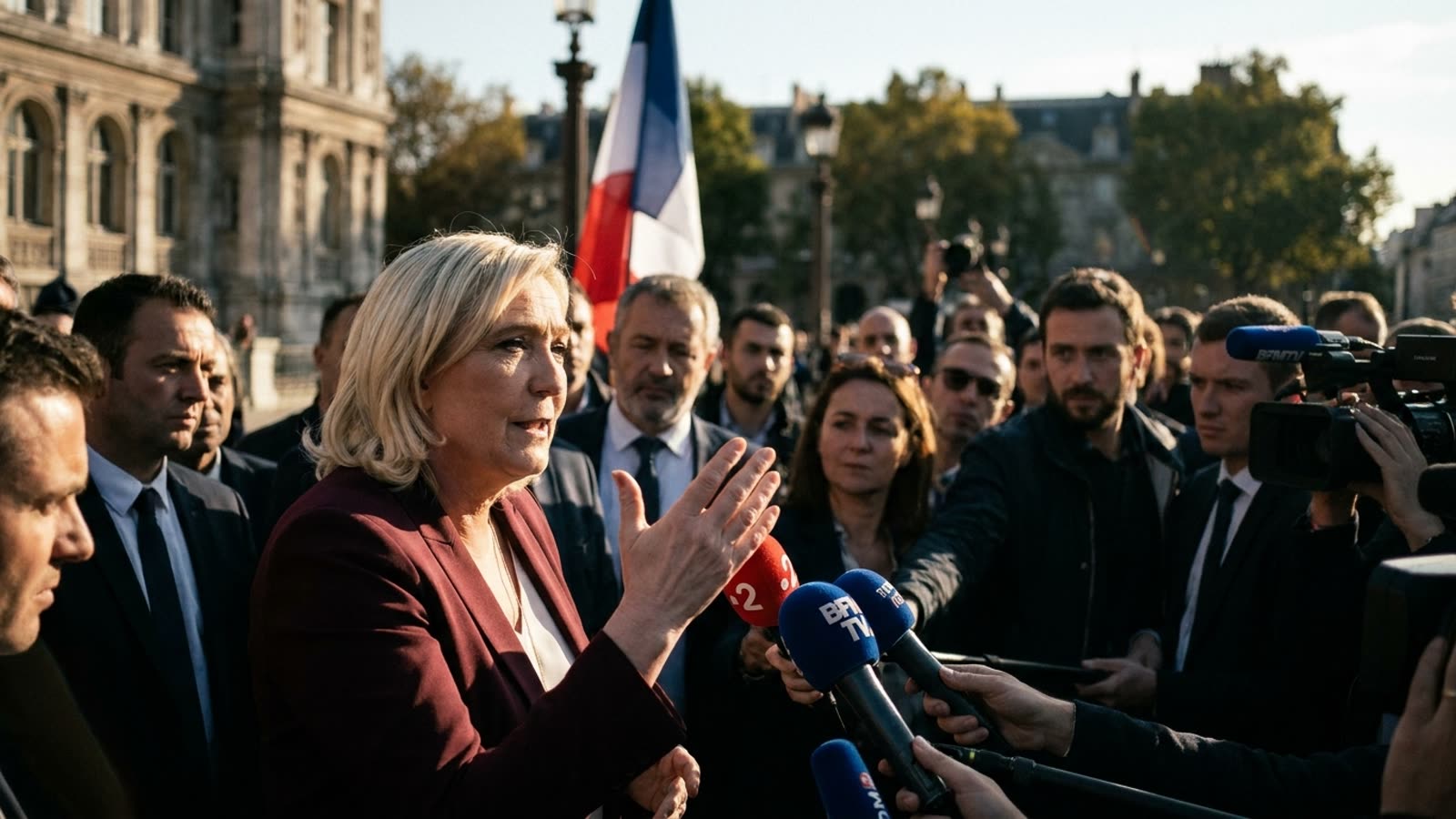
For half a decade, Europe's far-right leaders treated Donald Trump as proof of concept—evidence that nativist populism could win not just votes but power in the world's most important democracy. Marine Le Pen posed with him. Viktor Orbán called him a friend. Giorgia Meloni's party celebrated his 2024 return to the White House as a civilizational turning point. Now, forty-eight hours after American voters delivered the most punishing midterm rebuke to a sitting president in modern memory, those same leaders are discovering an urgent need to emphasize their independence.
The pivot has been swift and, in some cases, almost comically transparent. Le Pen's Rassemblement National issued a statement stressing that French nationalism has "its own roots and its own future." A spokesperson for Germany's AfD told reporters the party had "always been focused on German solutions to German problems." Even Orbán's communications team, usually eager to amplify any Trump content, has gone conspicuously quiet.
The contagion fear
The anxiety is not merely reputational. European far-right strategists have long borrowed from the Trump playbook: the rally-as-spectacle, the social-media provocation cycle, the framing of every election as a clash between virtuous nationals and cosmopolitan elites. If that playbook just produced a historic wipeout in America—with Republicans losing the House, failing to retake the Senate, and watching their margins collapse even in traditionally safe districts—what does it mean for parties running similar plays in France, Germany, and Italy?
The question is especially urgent because several of these parties face elections within the next eighteen months. Le Pen is positioning for another presidential run in 2027. The AfD is polling strongly ahead of Germany's 2027 federal elections but remains locked out of coalition talks by a cordon sanitaire that the mainstream parties show no sign of lifting. Meloni, already governing in Rome, must manage the tension between her party's Trumpian base and her need to maintain credibility with Brussels and bond markets.
What actually transferred
The honest answer is that Trump's influence on European politics was always more atmospheric than operational. He gave permission—rhetorical and symbolic—for a certain style of politics, but the underlying issues that drive European far-right support (immigration, EU skepticism, cultural anxiety about Islam) predate him and will outlast him. The danger for these parties was never that they copied Trump's policies; it was that they copied his brand at precisely the moment that brand became toxic.
The midterm results have given European centrists and center-left parties a new line of attack: that the nationalist right is not merely wrong but also losing, and losing badly, in the country that was supposed to be its model. Expect to hear variations of this argument in every European campaign from now until 2027.
Our take
The European far right's sudden rediscovery of ideological independence is unconvincing but probably wise. Trump's midterm collapse does not disprove nativist populism as a political force—these movements have their own constituencies and their own grievances—but it does puncture the myth that Trump-style politics is an unstoppable wave. For European leaders who built their brands on proximity to that wave, the task now is to pretend they were always swimming in their own lane. Some voters will buy it. Many won't.