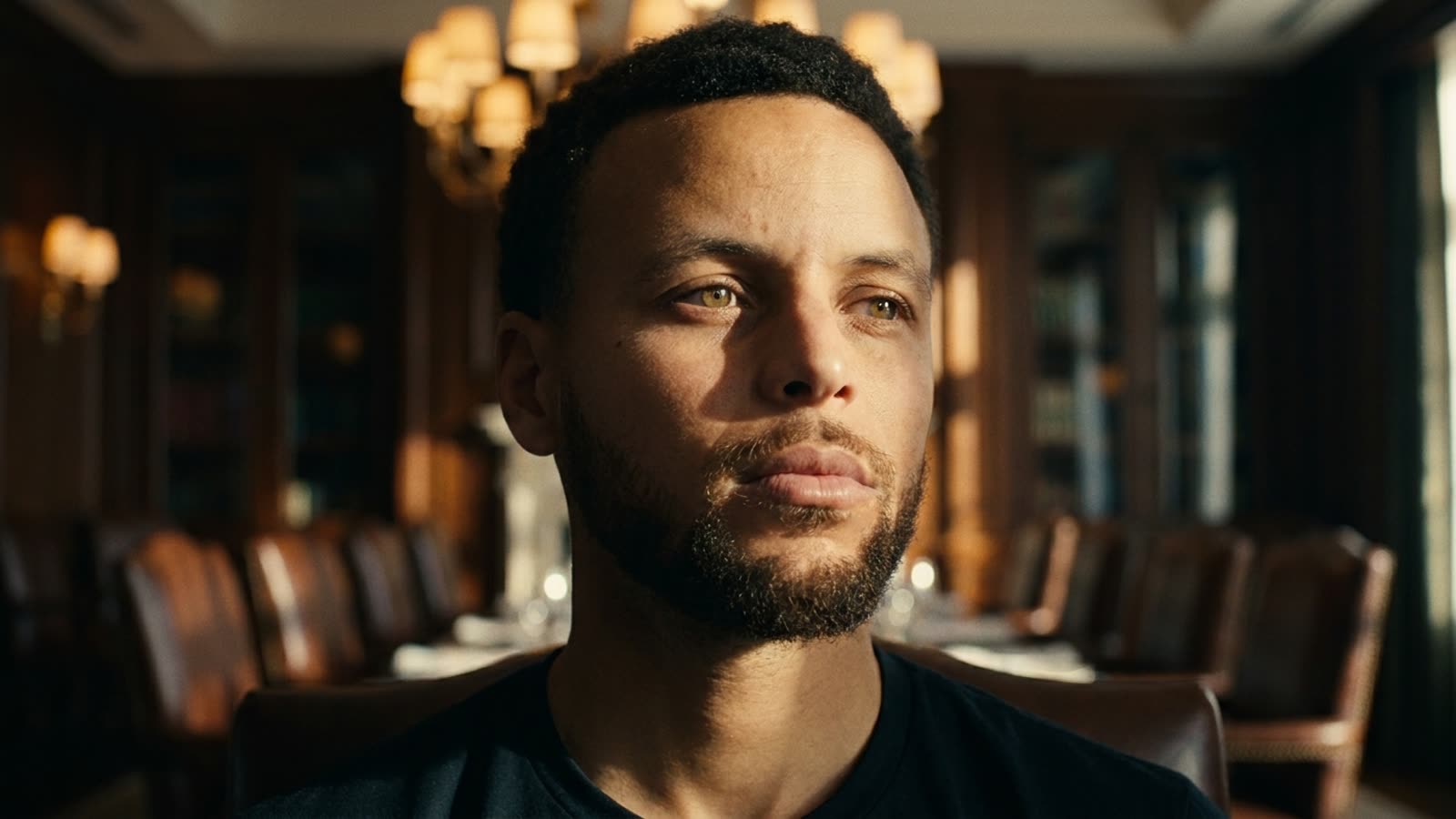
A private lunch with Stephen Curry and Warren Buffett just sold for $9,000,100 on eBay, shattering records for celebrity charity auctions and raising an uncomfortable question about what, exactly, money can buy in 2026.
The winning bidder — anonymous, as these things tend to be — will sit across from two of the most successful figures in their respective fields: a four-time NBA champion who revolutionized basketball, and a 95-year-old investor worth north of $130 billion who revolutionized value investing. The meal benefits the Glide Foundation, the San Francisco nonprofit that has hosted Buffett's famous lunch auctions since 2000.
The economics of presence
Buffett's solo lunches have historically fetched between $2 million and $4.5 million, with the Oracle of Omaha retiring the tradition in 2022 after raising over $53 million for Glide. Adding Curry to the equation apparently more than doubled the price. This isn't surprising: Buffett offers wisdom, but Curry offers relevance. Together, they represent a bridge between old money and new influence, between patient capital and cultural cachet.
The buyer isn't purchasing advice — Buffett's investment philosophy is freely available in decades of shareholder letters, and Curry's shooting form has been dissected in thousands of YouTube videos. What $9 million buys is something rarer: undivided attention from people whose time is worth more than most people's net worth. In an economy where everyone from your dentist to your dog has a podcast, genuine exclusivity has become the scarcest commodity.
Why Curry, why now
Curry's inclusion signals a generational shift in how we value celebrity. At 38, he remains one of the NBA's most marketable players, with endorsement earnings that dwarf his $55 million salary. But his appeal transcends basketball. He's built a media company, invested in dozens of startups, and cultivated an image as the rare superstar athlete who seems genuinely thoughtful about wealth and its responsibilities.
Pairing him with Buffett creates a kind of aspirational Rorschach test. Tech founders see a conversation about scaling impact. Finance types imagine stock tips whispered between bites of steak. Sports fans picture Curry finally getting Buffett to explain why he's held Coca-Cola for 40 years while the Warriors' dynasty rose and fell.
Our take
The $9 million lunch is less about charity than about status signaling in an age when traditional luxury goods have lost their edge. Anyone can buy a Patek Philippe; not everyone can buy two hours with Curry and Buffett. The auction reveals something true about where we are: experiences have eclipsed possessions, and access has eclipsed experiences. Whether the buyer gets their money's worth depends entirely on what they think they're purchasing. Our guess? They already know exactly what it is, and it has nothing to do with the food.