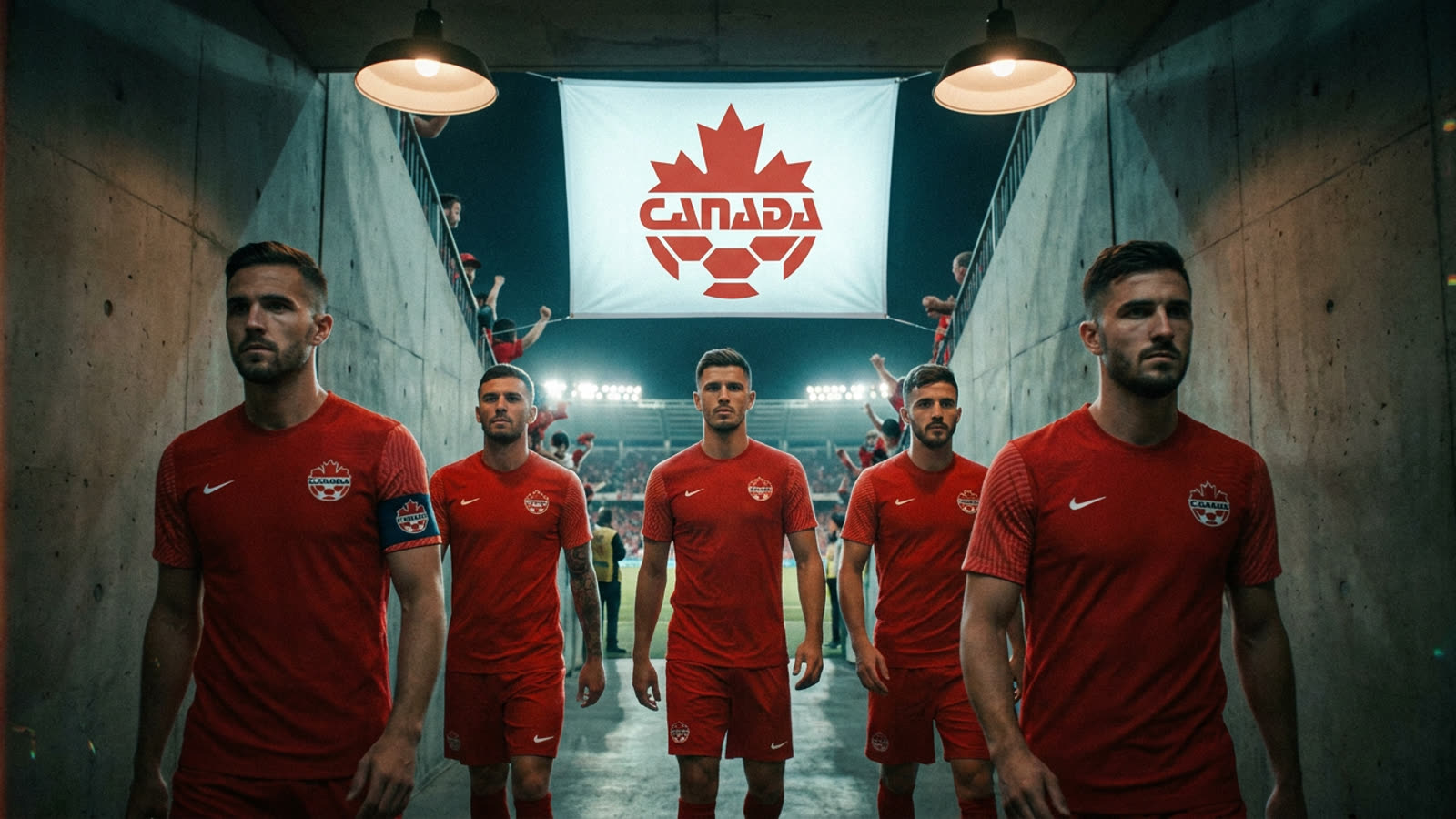
South Africa will play a World Cup knockout match for the first time in their history when they face Canada in the round of 32, a sentence that requires a moment to absorb. The nation that hosted the 2010 tournament, that gave the world the vuvuzela and the first African World Cup, has never won a knockout game because they have never played one. Their group-stage exits in 1998 and 2002, followed by automatic qualification as hosts in 2010 that ended in the group stage anyway, left Bafana Bafana as one of international football's great underachievers relative to their cultural footprint.
The expanded 48-team format finally gave South Africa the mathematical runway they needed. Third place in their group was enough, and now they face a Canadian team that has transformed from World Cup tourists into genuine contenders over the past four years.
The weight of history
South African football carries burdens that statistics cannot capture. The apartheid-era ban from FIFA lasted from 1976 to 1992, erasing what should have been the prime years of several generations of players. When South Africa returned to international competition, they won the 1996 Africa Cup of Nations on home soil, suggesting a trajectory that never materialized at the global level. The 2010 hosting rights were meant to announce South Africa's arrival; instead, they became the first host nation eliminated in the group stage.
Hugo Broos, the Belgian coach who rebuilt the national team after taking over in 2021, has emphasized youth and tactical discipline over the flair that previous South African sides promised but rarely delivered. Percy Tau remains the creative fulcrum, but this is a more organized, less romantic version of Bafana Bafana.
Canada's transformation
The Canadians present a mirror image: a nation whose football history was negligible until recently, now playing with the confidence of a team that believes it belongs. Their 2022 World Cup appearance ended without a point; their 2026 campaign has been revelatory. Alphonso Davies has matured from explosive winger into complete midfielder, and Jonathan David's finishing has been clinical when it matters.
Canada topped their group, a result that would have seemed absurd a decade ago. They have home-continent advantage, deeper squad resources, and the psychological comfort of playing with house money—everything they achieve now exceeds expectations that were modest until they weren't.
Our take
South Africa winning would be one of the tournament's best stories, but Canada winning would confirm one of its most important trends: that football's traditional hierarchies are eroding faster than anyone anticipated. Bafana Bafana deserve their moment, but Canada has earned theirs too. The expanded format created this fixture; whether it produces a classic depends on whether South Africa can match their emotional investment with tactical execution. History suggests they cannot. This tournament suggests history may no longer apply.