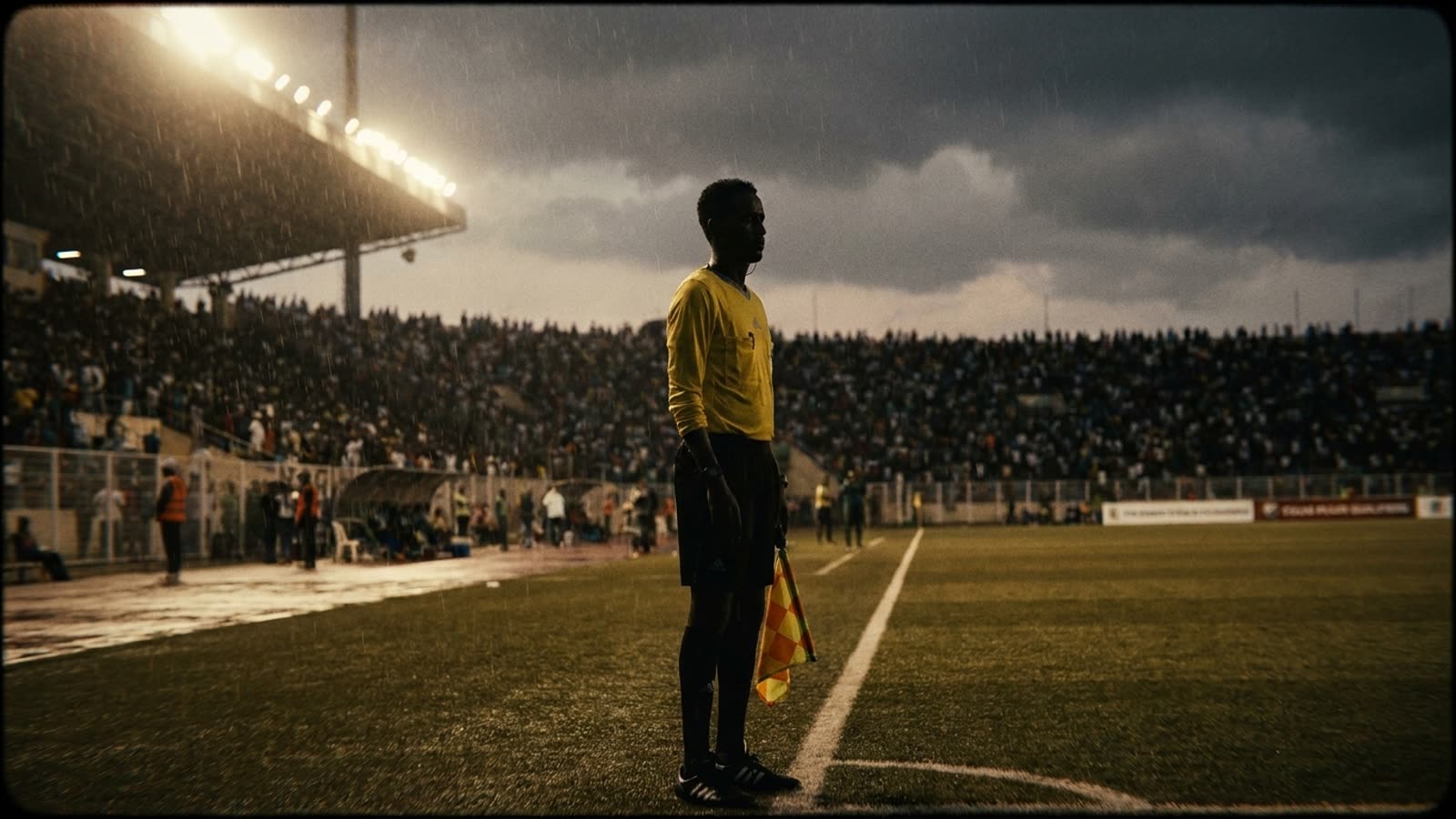
The 2026 World Cup was meant to be a showcase for American hospitality, a three-nation tournament that would demonstrate the hemisphere's capacity to welcome the world. Instead, it has produced its first diplomatic embarrassment before a single ball has been kicked: a referee from Somalia, credentialed by FIFA to officiate at the tournament, has been denied entry to the United States.
The details remain sparse—neither U.S. Customs and Border Protection nor FIFA has offered a detailed public explanation—but the optics are devastating. Here is the world's most-watched sporting event, co-hosted by a country that loudly bid for the privilege of staging it, turning away an official from one of football's developing nations at the border. Whatever the bureaucratic rationale, the message received in Mogadishu, and across the Global South, is unmistakable.
The universalist promise, tested
FIFA has spent decades cultivating the notion that football belongs to everyone. The organization's referee development programs specifically target underrepresented regions; having a Somali official at a World Cup represents years of institutional investment in exactly the kind of global inclusion that justifies FIFA's existence. The denial doesn't just affect one person's career—it undermines the credibility of the entire pipeline.
For Somalia, a nation that has used football as a rare source of positive international visibility amid decades of conflict, the symbolism cuts deep. The country's football federation has worked to rebuild domestic leagues and earn FIFA's trust. A World Cup assignment was validation. Now it's a headline about rejection.
America's immigration posture meets sport's calendar
The timing is particularly awkward. The United States has spent months preparing security protocols and visa-processing systems for the tournament, coordinating with FIFA and the other host nations. That a credentialed official could fall through the cracks—or be deliberately excluded—suggests either bureaucratic failure or policy choices that prioritize restriction over the commitments made when America won the hosting bid.
FIFA's response will be telling. The organization has leverage: future hosting rights, broadcast deals, and the reputational stakes of the tournament itself. Whether it chooses to exercise that leverage, or quietly finds a workaround that avoids confrontation, will reveal how seriously it takes its own rhetoric about football as a force for unity.
Our take
You cannot credibly market a World Cup as a celebration of global community while your border apparatus treats a FIFA-appointed official as a security risk. The United States wanted this tournament badly; it now owns the contradictions that come with hosting it. If the referee's denial stands without remedy or explanation, it will be remembered long after the final whistle—not as a footnote, but as a thesis statement about who America believes the beautiful game is actually for.