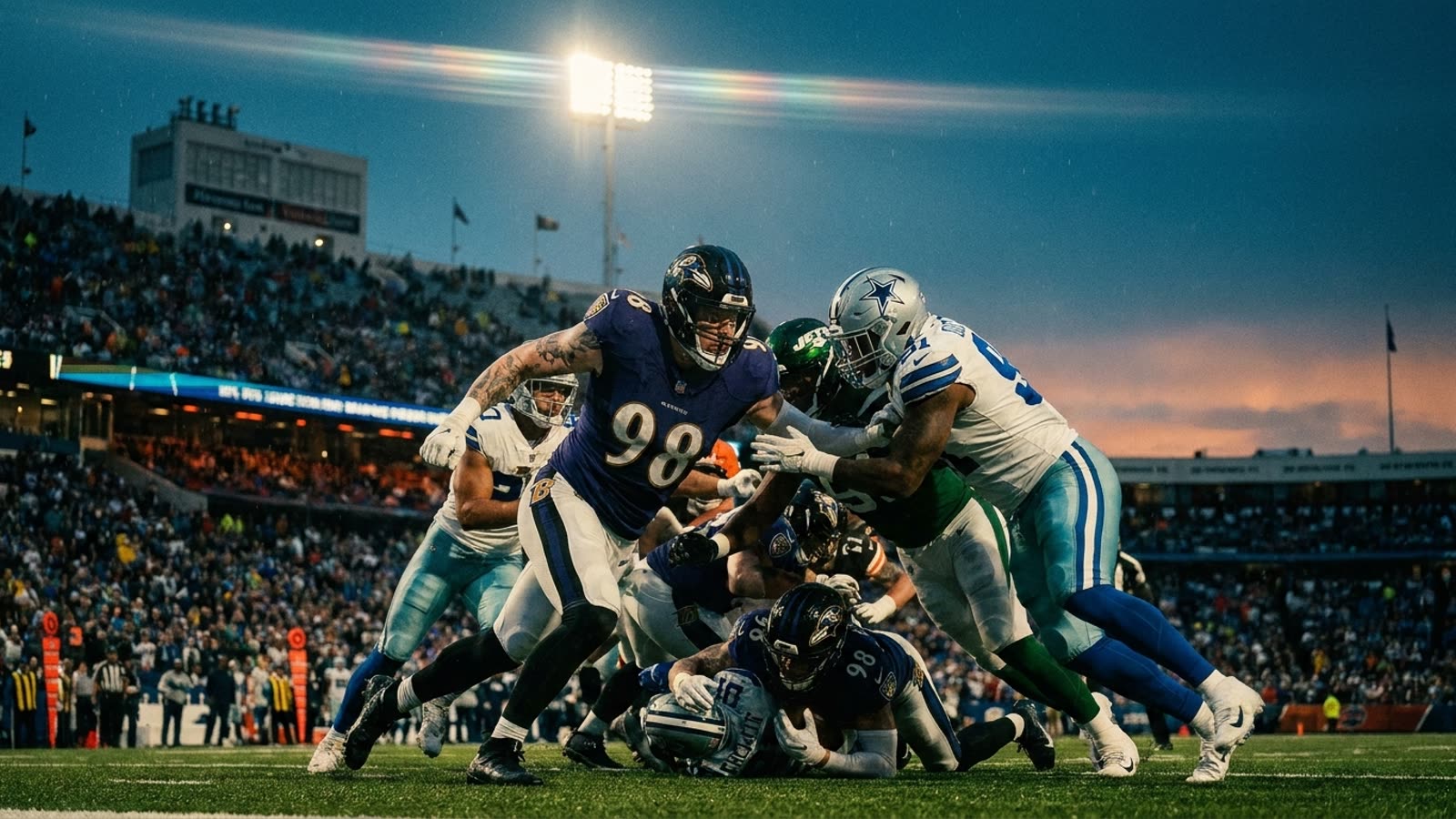
Professional football has always treated the trade as a last resort—a grudging admission that draft picks and patience had failed. On Saturday, that orthodoxy died in a flurry of transactions that saw more than a dozen players change teams in roughly eighteen hours, the most concentrated burst of roster movement the league has ever recorded outside the draft itself.
The proximate cause was mechanical: the league's post-June-1 designation deadline, which allows teams to spread dead-money charges across two cap years, arrived this week just as several franchises realized their rosters were simultaneously too expensive and not good enough. But the deeper cause is structural. The salary cap, which rose sharply after the latest television deals, has created a league where mid-tier veterans are simultaneously overvalued by their current contracts and undervalued by the market. Teams holding such players faced a choice between cutting them for nothing or finding a trade partner willing to absorb a modest salary in exchange for draft compensation. Enough chose the latter that a cascade ensued.
The dominoes that fell
The day's signature move sent a Pro Bowl pass rusher from a rebuilding AFC franchise to a Super Bowl contender for a second-round pick and a conditional fourth—a haul that would have seemed light two years ago but now reflects the new arithmetic of cap-strapped buyers. Within hours, a veteran slot receiver, a starting right tackle, and a former first-round linebacker had all followed similar paths, each deal calibrated to the same logic: the selling team needed relief, the buying team needed a plug-and-play starter, and both sides preferred certainty to the chaos of August waiver claims.
What distinguished Saturday from ordinary trade-deadline activity was the breadth of participants. At least twenty teams were involved as either buyers or sellers, and several flipped roles mid-day, offloading one player to fund the acquisition of another. The effect was a kind of real-time general-manager arbitrage, with executives reportedly negotiating multiple deals simultaneously on parallel phone lines.
Why now, and why so many
The compressed calendar deserves blame—or credit. The league's decision to push back the start of the league year, combined with an earlier minicamp window, left front offices with less time to evaluate their rosters and more pressure to act before training-camp contracts became guaranteed. Add the new practice-squad rules, which make it harder to stash developmental talent, and the incentive to consolidate rosters around proven players intensified.
There is also a copycat element. Once the first few trades leaked, executives who had been on the fence saw market prices crystallizing in real time and rushed to lock in deals before the supply of available picks dried up. The result was a feedback loop: each completed trade made the next one more likely.
Our take
Saturday's frenzy is a preview of where the league is headed. The salary cap, once a tool for parity, has become a forcing function for volatility. Teams can no longer afford to let expensive veterans play out declining contracts; the opportunity cost is too high. Expect trade volume to keep rising, and expect the summer dead period to feel a lot less dead. The NFL's off-field drama used to peak in March. Now it has a second act in June—and the audience is only growing.