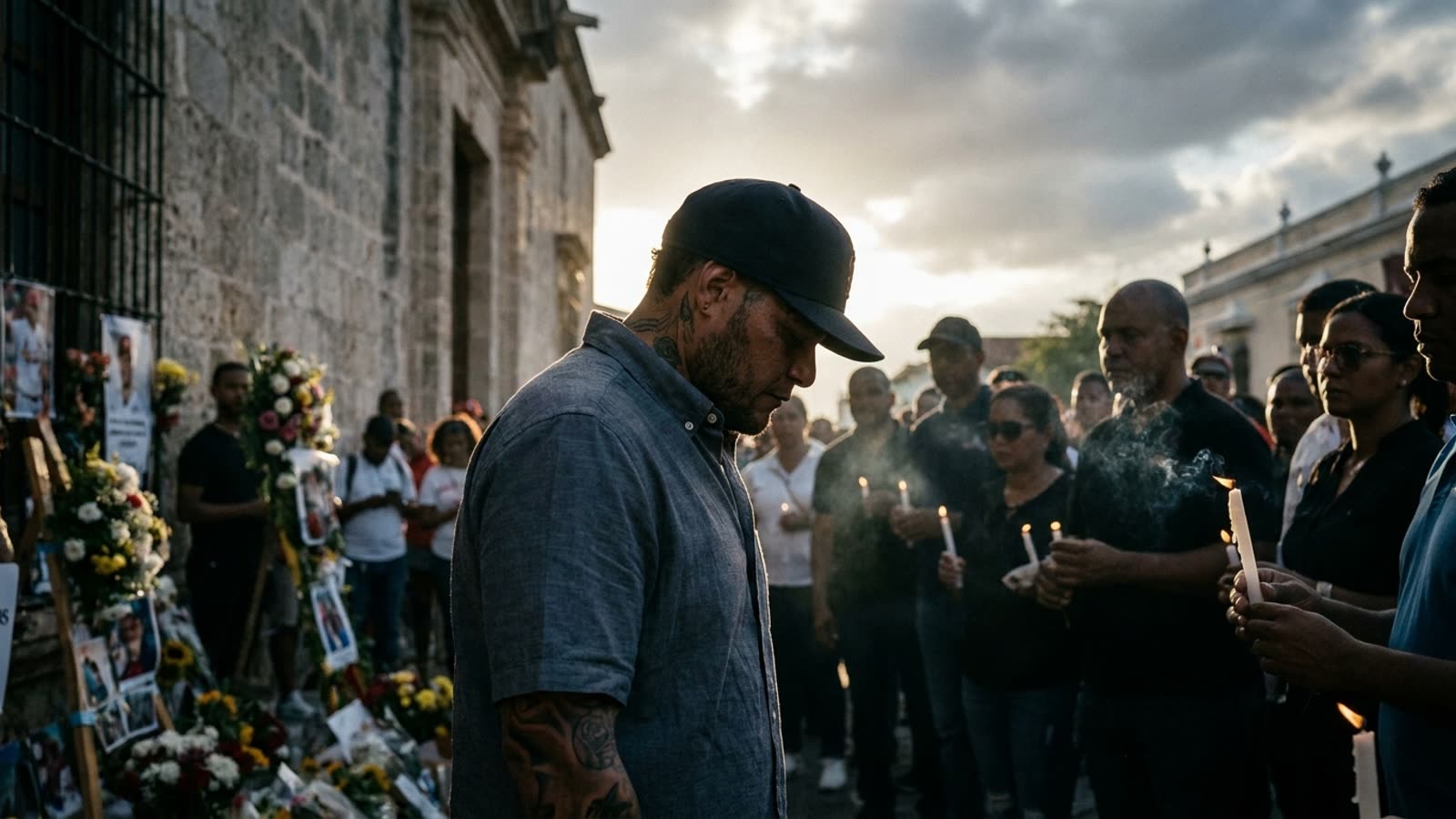
A small aircraft en route to an event organized by former St. Louis Cardinals catcher Yadier Molina crashed in the Dominican Republic, killing two people aboard. Molina, one of the most decorated catchers in baseball history, was not on the plane. The flight was reportedly ferrying supplies or personnel connected to a charitable initiative the nine-time Gold Glove winner has supported in the region.
The crash transforms what was meant to be a goodwill mission into a tragedy that will shadow Molina's post-playing legacy, at least temporarily. Details remain sparse—Dominican aviation authorities have not yet released the names of the victims or a preliminary cause—but the incident has already prompted an outpouring of condolences across Major League Baseball's alumni networks.
The logistics of athlete philanthropy
Retired stars frequently lend their names and resources to humanitarian work in their home countries, and the Caribbean basin is particularly active territory. Puerto Rico, the Dominican Republic, Venezuela, and Cuba have produced generations of major-league talent, and many players feel an obligation to reinvest. Molina, a Puerto Rican icon who spent his entire 19-year career in St. Louis, has been visible in disaster-relief and youth-development circles since hanging up his gear.
But the infrastructure supporting these efforts is often ad hoc. Charter flights, donated cargo space, and informal logistics networks fill gaps that larger NGOs cannot or will not address. The trade-off is risk: smaller aircraft, less-regulated operators, and routes that skirt the oversight typical of commercial aviation. This crash is a grim reminder that good intentions do not insulate anyone from mechanical failure or human error.
Molina's standing in the game
For Cardinals fans, Molina is royalty—a franchise pillar who anchored championship runs in 2006 and 2011 and set the standard for pitch-framing before analytics had a name for it. His partnership with Adam Wainwright became one of the longest-running battery combinations in modern history. Since retirement, Molina has managed in Puerto Rico's winter league and remained a beloved figure in St. Louis, where his eventual Hall of Fame candidacy is treated as a formality in local discourse.
That stature means the crash, though Molina was miles away, will inevitably be processed through his celebrity. The victims deserve their own remembrance, but the news cycle will attach their deaths to the famous name that drew the flight into existence. It is an uncomfortable dynamic, and one that recurs whenever tragedy intersects with philanthropy.
Our take
Nothing about this story is Molina's fault, and yet he will carry it. That is the unwritten contract of athlete-led charity: you accept credit for the good outcomes, and you absorb proximity to the bad ones. The crash should prompt reflection—among players, agents, and the organizations that facilitate these missions—about whether informal logistics are worth the hazard. Two people are dead. The least baseball can do is ask harder questions about how its alumni move supplies across the Caribbean, even when the cause is unimpeachable.