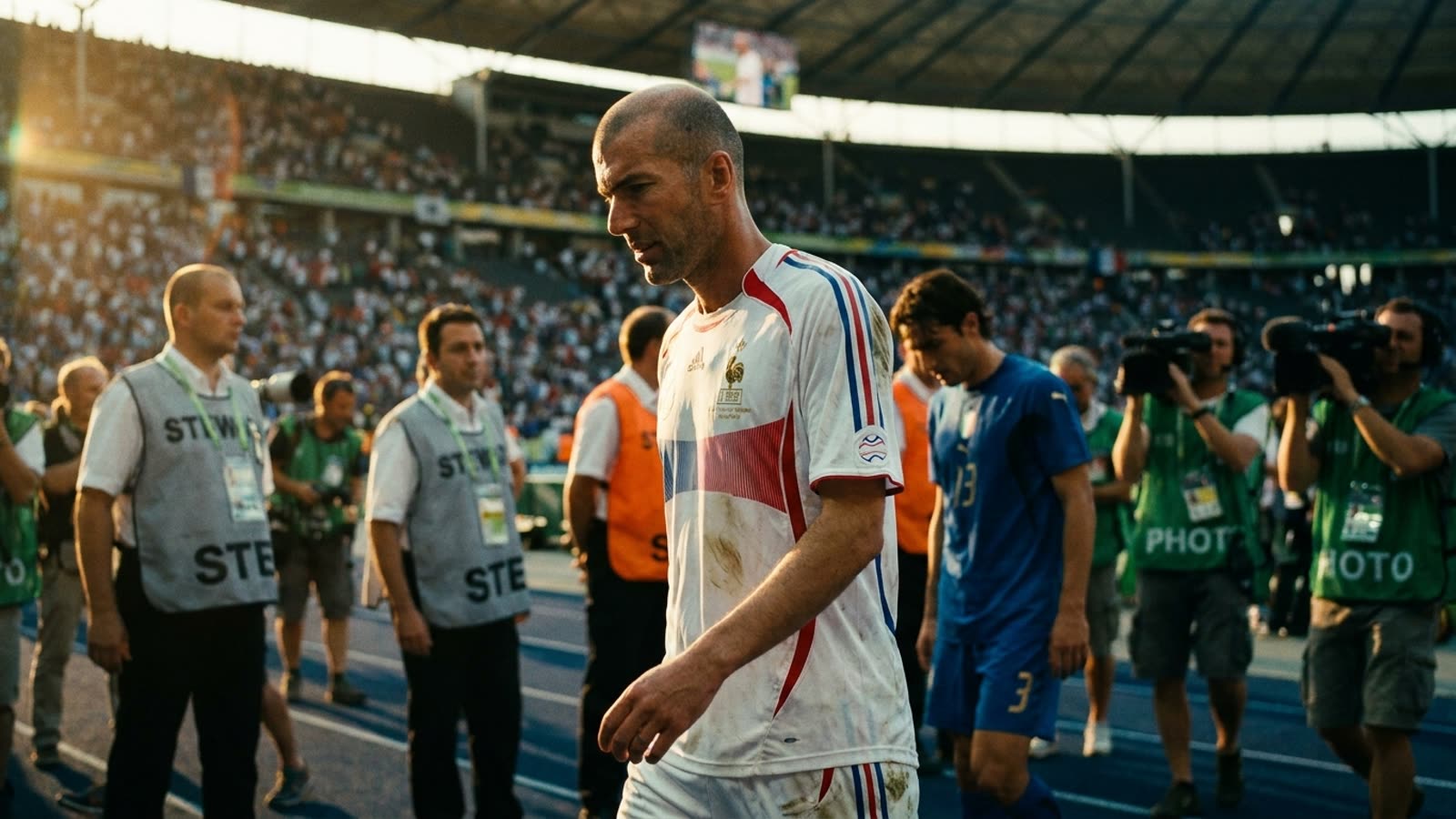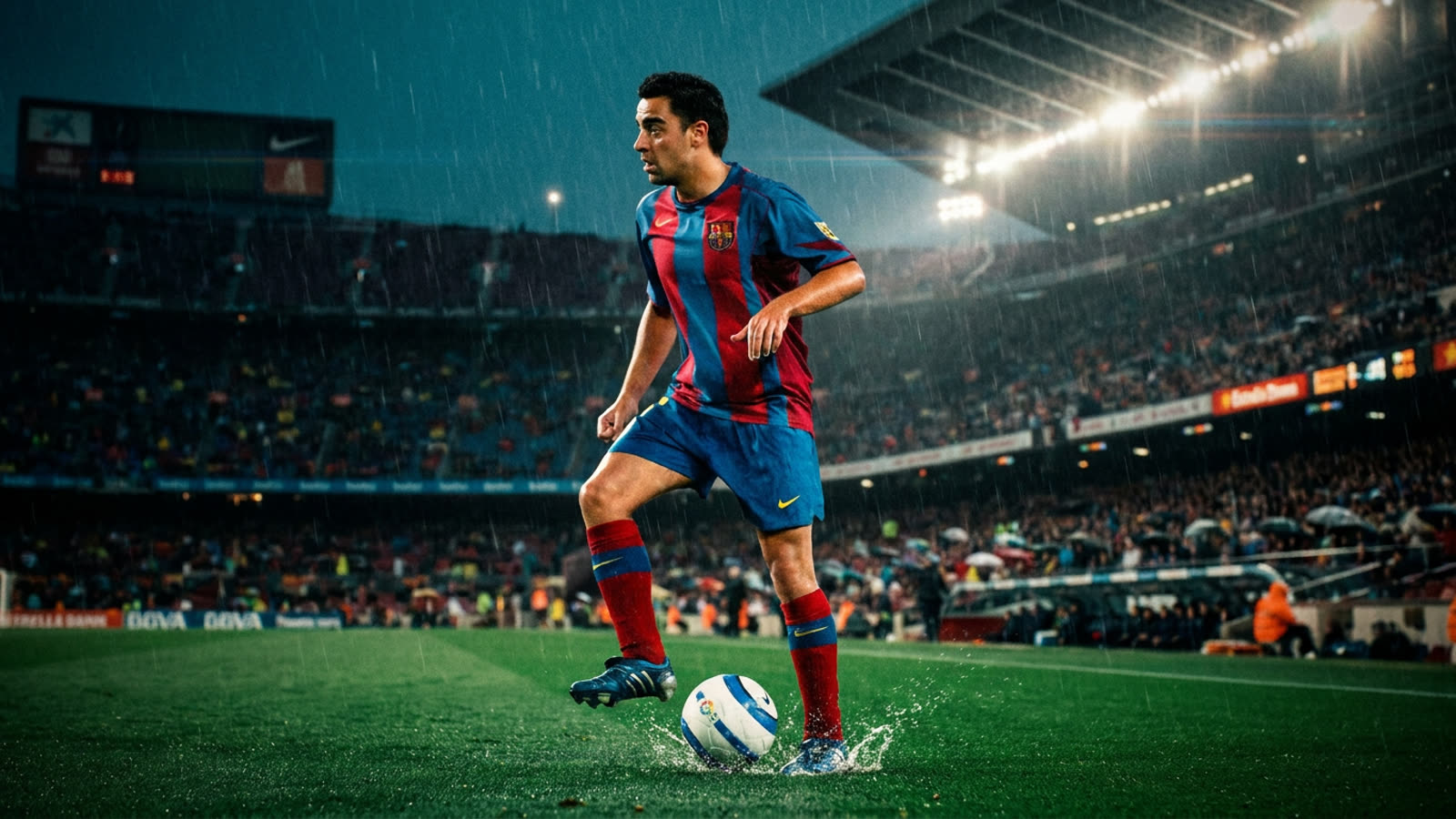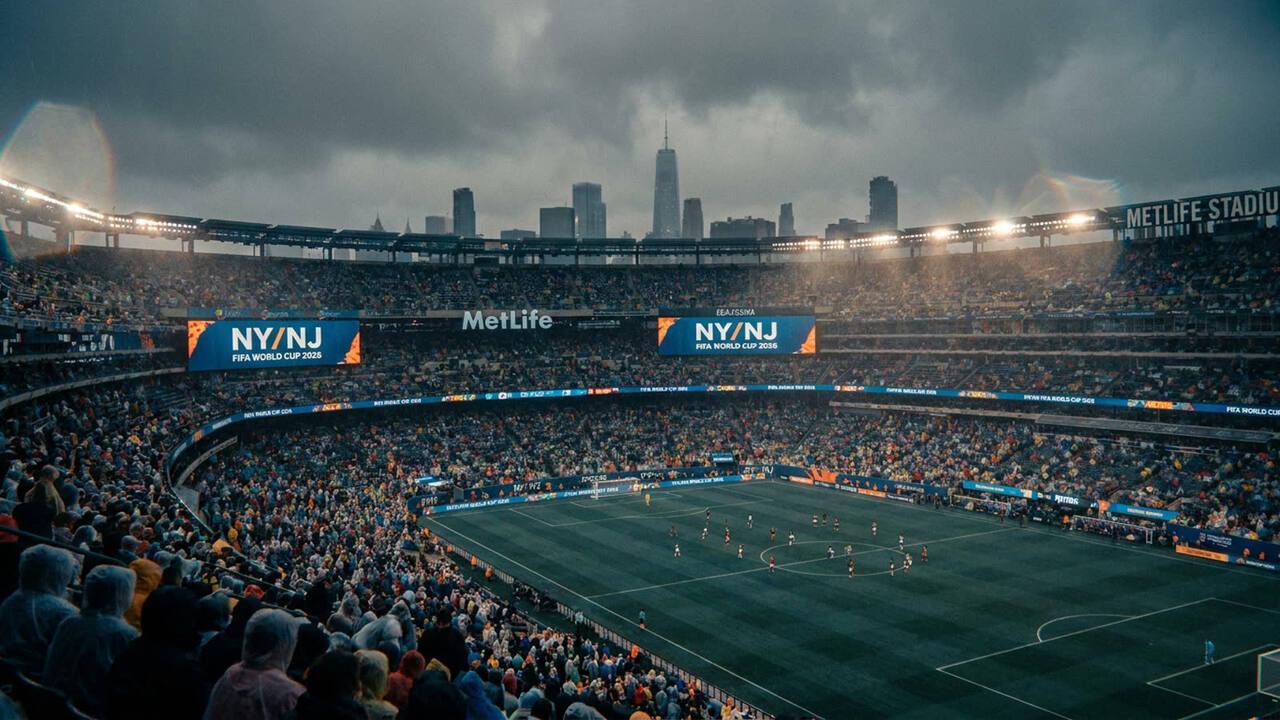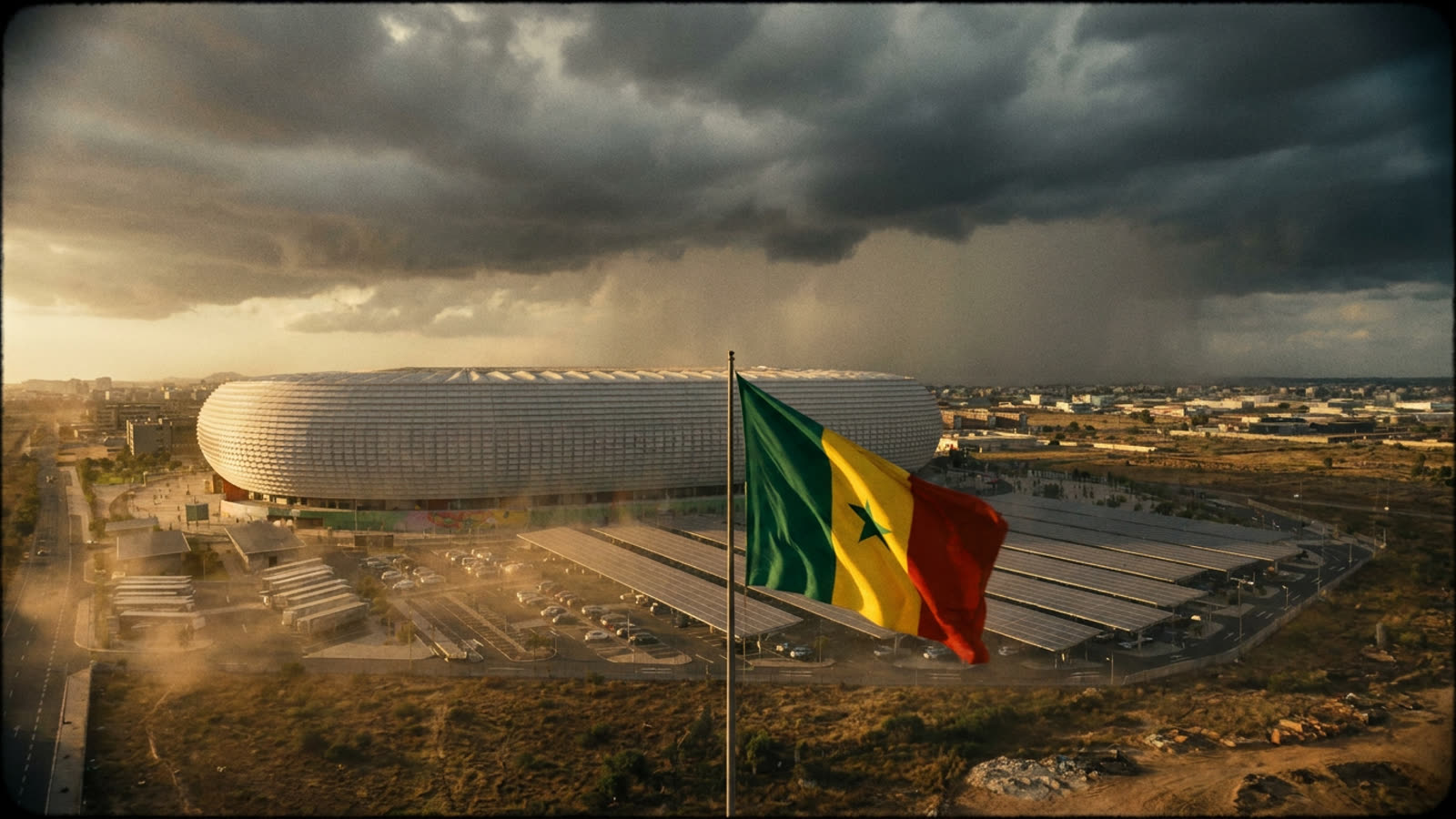
France arrived at the 2026 World Cup as the tournament's most decorated active participant—two titles in the last four editions, a squad still anchored by Kylian Mbappé, and the swagger of a team that expects to win. Senegal, it seems, did not receive the memo.
The Teranga Lions have spent the opening match doing something few opponents manage: making France look ordinary. Through disciplined defensive shape and intelligent pressing, Senegal has kept Les Bleus at arm's length, denying Mbappé the space he craves and forcing France into the kind of labored possession that suggests ideas are running short.
The tactical picture
Senegal's approach has been neither conservative nor reckless—it has been surgical. A compact midfield block has clogged the central channels where Antoine Griezmann typically orchestrates, while the back line has held a remarkably high line against Mbappé, trusting their pace and the offside trap rather than retreating into a deep shell that would invite pressure. The result is a France side forced wide, crossing hopefully into a well-organized box rather than slicing through on the break.
For Didier Deschamps, the match exposes a question that has lingered since Qatar 2022: can this generation adapt when Plan A fails? France's midfield creativity has declined with age, and the supporting cast around Mbappé has never quite gelled into a cohesive unit. Against lesser opposition, individual brilliance papers over systemic cracks. Against a Senegal side peaking at the right moment, those cracks are visible.
What it means for the group
A draw—or worse, a defeat—would reshape Group dynamics immediately. France, while unlikely to exit at the group stage, would enter subsequent matches under genuine pressure, a condition this squad has rarely faced in major tournaments. Senegal, meanwhile, would announce itself as a genuine dark horse, building on the momentum of a 2022 run that ended in the Round of 16.
African football has long promised a World Cup semifinalist; the continent is still waiting. But Senegal's performance suggests that if any team can break that barrier in 2026, it may be this one—a side that combines European-league polish with tactical discipline and, crucially, the self-belief to look France in the eye without blinking.
Our take
France remains dangerous—Mbappé can conjure magic from nothing, and Deschamps has forgotten more about tournament football than most coaches will ever learn. But Senegal's composure is a warning. The defending champions are beatable, and in a World Cup held on American soil with unpredictable conditions and long travel, the margins are thinner than ever. If France scrapes through this match, they will have learned something valuable. If they do not, the tournament's entire complexion shifts before the group stage is even complete.