The goal that decided the 2026 FA Cup final should not have been physically possible. Antoine Semenyo, receiving the ball with his back to goal and two Chelsea defenders breathing on his neck, somehow redirected it into the net with a backheel that bent the laws of geometry and good sense. It was improvisation of the highest order, the kind of finish that makes neutral observers laugh out loud and opposing managers stare at the turf in quiet despair.
This is what Manchester City do, even now, even in a season where the post-Haaland rebuild has occasionally looked like actual work rather than administrative formality. They find ways to win that feel less like football matches and more like aesthetic statements.
The treble that refuses to die
City have now completed a domestic cup double, adding the FA Cup to their League Cup triumph earlier in the campaign. The Premier League title remains in play heading into the final day, though they will need results elsewhere to cooperate. What once seemed like Guardiola's most vulnerable season in Manchester has instead become a referendum on institutional excellence—the idea that a club can lose its most prolific striker and still find itself 90 minutes from a treble.
Chelsea, for their part, will wonder what might have been. Enzo Maresca's side created chances, pressed intelligently, and generally looked like a team that belonged on this stage. But belonging and winning are different things, and City have spent a decade teaching English football that lesson.
What Semenyo represents
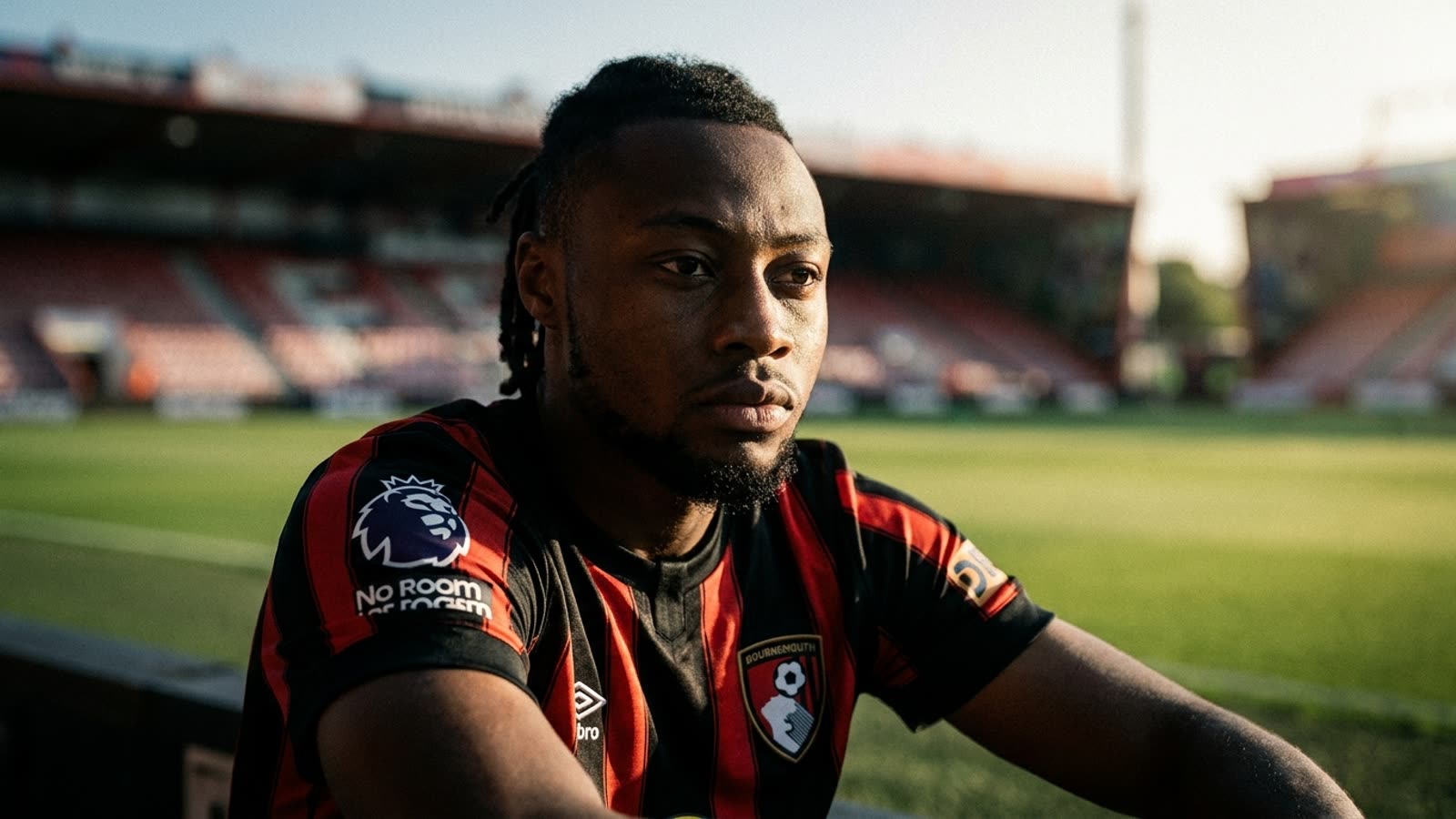
The Ghanaian winger arrived from Bournemouth in January as a depth signing, the kind of move that barely registers in a City transfer window. He has since become emblematic of something more interesting: Guardiola's ability to extract maximum value from players who were never supposed to be protagonists. Semenyo's goal was his seventh since joining, but it was the manner of it—the audacity, the technical arrogance—that felt borrowed from a different era of City dominance.
Guardiola's post-match comments were characteristically deflective, praising the collective while acknowledging the individual brilliance. But his smile told the real story. He knows what he saw.
Our take
There is something almost unfair about Manchester City's capacity for reinvention. Other clubs lose generational talents and enter rebuilding phases that last half a decade. City lose Erling Haaland and respond by winning two domestic cups while remaining in contention for the league. The Semenyo goal will be replayed for years, but the more significant highlight is the institutional machine that put him in position to attempt it. Guardiola's City are not what they were. They might be something more interesting: proof that excellence is a system, not a roster.