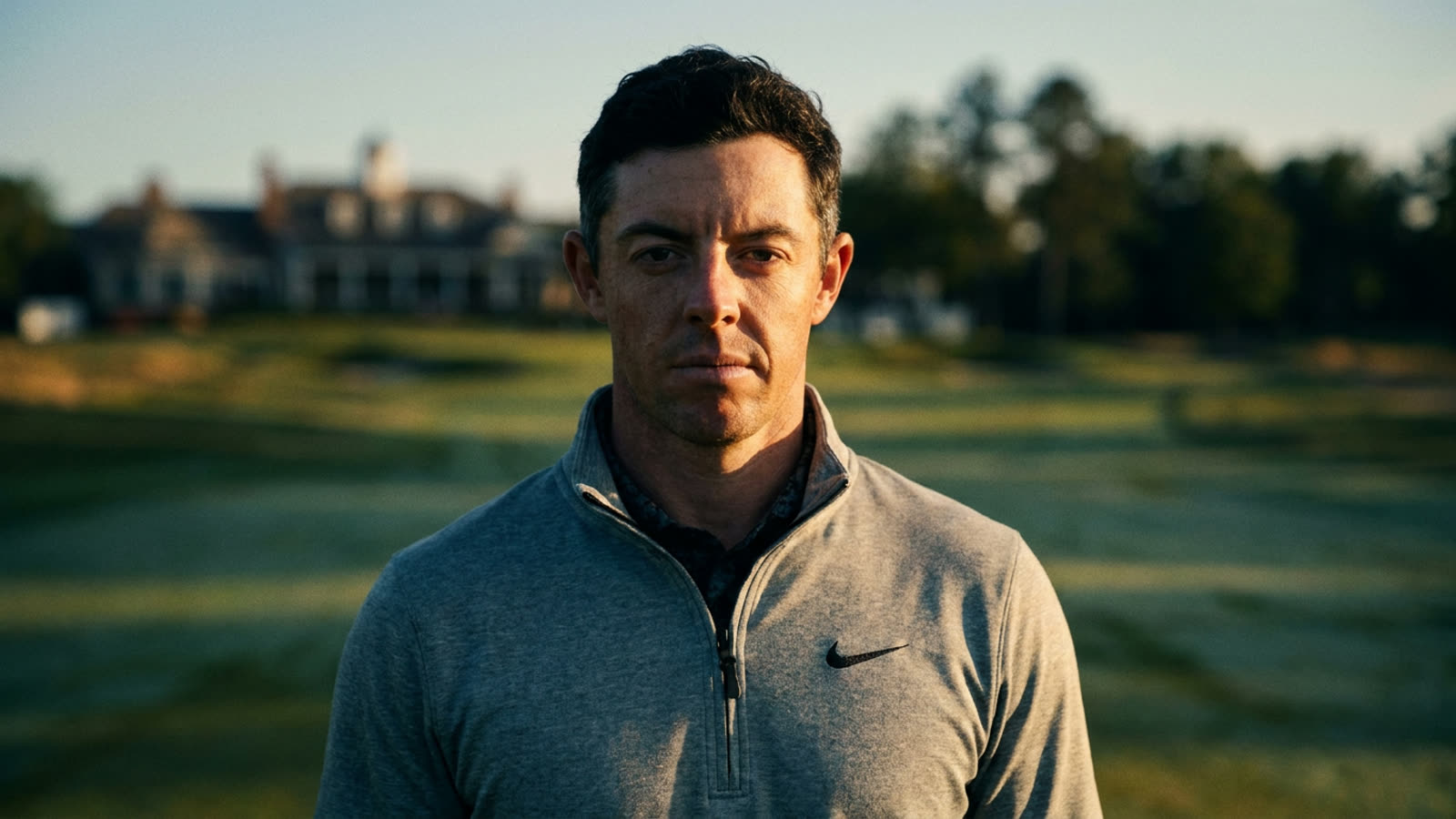
For three years, Rory McIlroy was the PGA Tour's most vocal defender against the Saudi-backed insurgency of LIV Golf. He called the defectors' decisions "naive" and "selfish." He questioned their competitive hunger. He became, somewhat reluctantly, the establishment's moral conscience in a fight that fractured friendships and divided locker rooms.
Now McIlroy says bringing back the defectors would be "good business."
The shift, articulated Friday at a PGA Tour event, represents more than one man's change of heart. It marks the effective end of golf's ideological phase and the beginning of its transactional one. The question is no longer whether LIV players should return, but whether they want to—and at what price.
The economics of exhaustion
McIlroy's conversion tracks with mounting evidence that LIV Golf's business model is unsustainable without indefinite Saudi subsidy. The league has struggled to secure broadcast deals at valuations that would justify its reported $2 billion investment. Attendance at events remains modest. And crucially, several LIV players have privately expressed interest in returning to a circuit where victories carry historical weight and major championship exemptions flow naturally.
The PGA Tour, meanwhile, has spent three years in defensive crouch—raising purses, restructuring its schedule, and courting its own sovereign wealth partners. The result is a tour that looks increasingly like what it was fighting against, only with better television ratings and deeper institutional legitimacy.
What remains unresolved
McIlroy's blessing does not mean the path is clear. The PGA Tour's membership would need to approve any reinstatement framework, and resentment runs deep among players who stayed loyal while watching colleagues cash nine-figure guarantees. There are also antitrust considerations: the Department of Justice investigation into the proposed PGA-LIV merger remains technically open, and any mass return would need careful legal choreography.
Then there is the matter of who actually wants to come back. Phil Mickelson, the defection's most prominent face, has shown little interest in eating crow. Bryson DeChambeau has built a successful media brand around his LIV identity. The players most likely to return are those whose careers have stalled outside the major championship ecosystem—a second tier that may not move the needle for either side.
Our take
McIlroy's reversal is less a betrayal of principle than an acknowledgment that principle was always a luxury in a dispute fundamentally about money. Golf's civil war was never really about competitive integrity or player welfare; it was about who would control the sport's economic future. That fight is ending not with a victor but with a merger of exhausted combatants. The Saudi money isn't going away, and neither is the PGA Tour's institutional power. What's emerging is a détente dressed as reconciliation—and McIlroy, ever the pragmatist beneath the rhetoric, has simply read the room before everyone else.