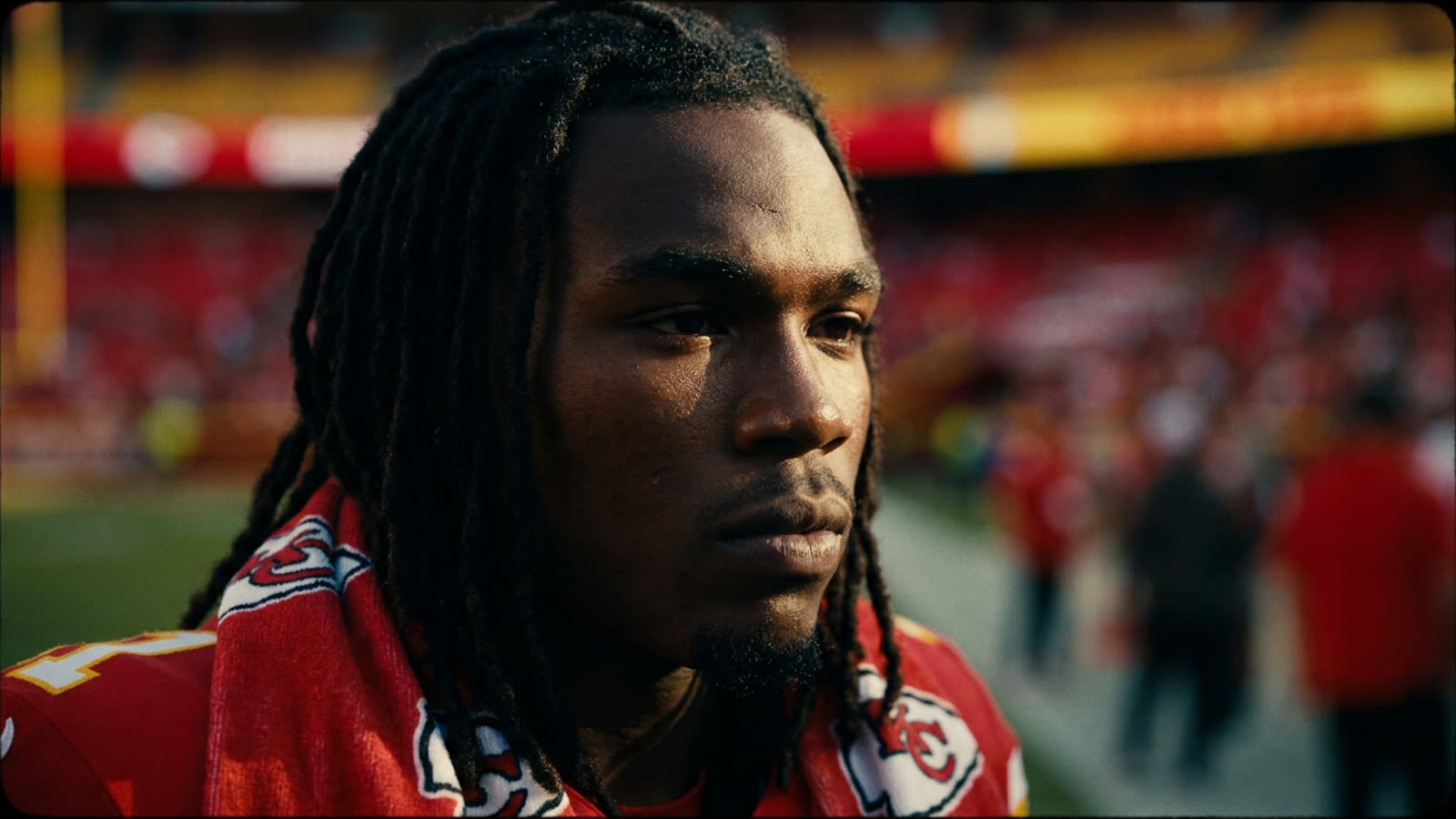
The NFL's most successful franchise of the decade has built its dynasty on discipline, preparation, and the occasional calculated risk on troubled talent. Rasheed Rice just made that calculus considerably harder.
The Kansas City Chiefs running back has been ordered to jail after violating the terms of his probation stemming from a March 2024 hit-and-run incident in Dallas that left four people injured. The specific nature of the violation has not been disclosed, but the timing—deep into the offseason, with training camp weeks away—transforms what might have been a quiet legal footnote into a roster crisis.
The original sin
Rice's troubles began when his Lamborghini was involved in a multi-vehicle collision on a Dallas highway. He initially fled the scene before turning himself in days later, eventually pleading guilty to charges that earned him probation rather than prison time. The Chiefs, fresh off their second consecutive Super Bowl victory, chose to retain him, betting that the 24-year-old's on-field production outweighed the reputational and logistical risks.
That bet looked reasonable for a while. Rice showed flashes of the talent that made him a fourth-round steal in 2023, and Kansas City's culture of accountability—enforced by Andy Reid's grandfatherly authority and Patrick Mahomes's competitive gravity—seemed capable of keeping him on track.
What jail means for the roster
The immediate football implications depend on the length of Rice's incarceration, which remains unclear. A brief stint might cost him conditioning time; an extended absence could void any remaining goodwill from the organization. The Chiefs have options at running back, but none with Rice's combination of burst and receiving ability. More importantly, every day he spends in custody is a day the franchise must answer questions about why they kept him in the first place.
The NFL has not announced any supplemental discipline, but the league's personal conduct policy gives Commissioner Roger Goodell broad latitude to suspend players for off-field misconduct—even if the courts have already imposed penalties. Rice could face a double punishment: time behind bars followed by time away from the field.
Our take
Professional sports teams love to talk about accountability until accountability becomes inconvenient. The Chiefs gave Rice a second chance because he's good at football, and that's fine—redemption is a legitimate organizational value. But redemption requires the redeemed to hold up their end. Rice didn't. Kansas City now faces the uncomfortable reality that some risks don't pay off, and the cost of being wrong isn't just measured in wins and losses. It's measured in the credibility of every future claim that character matters.