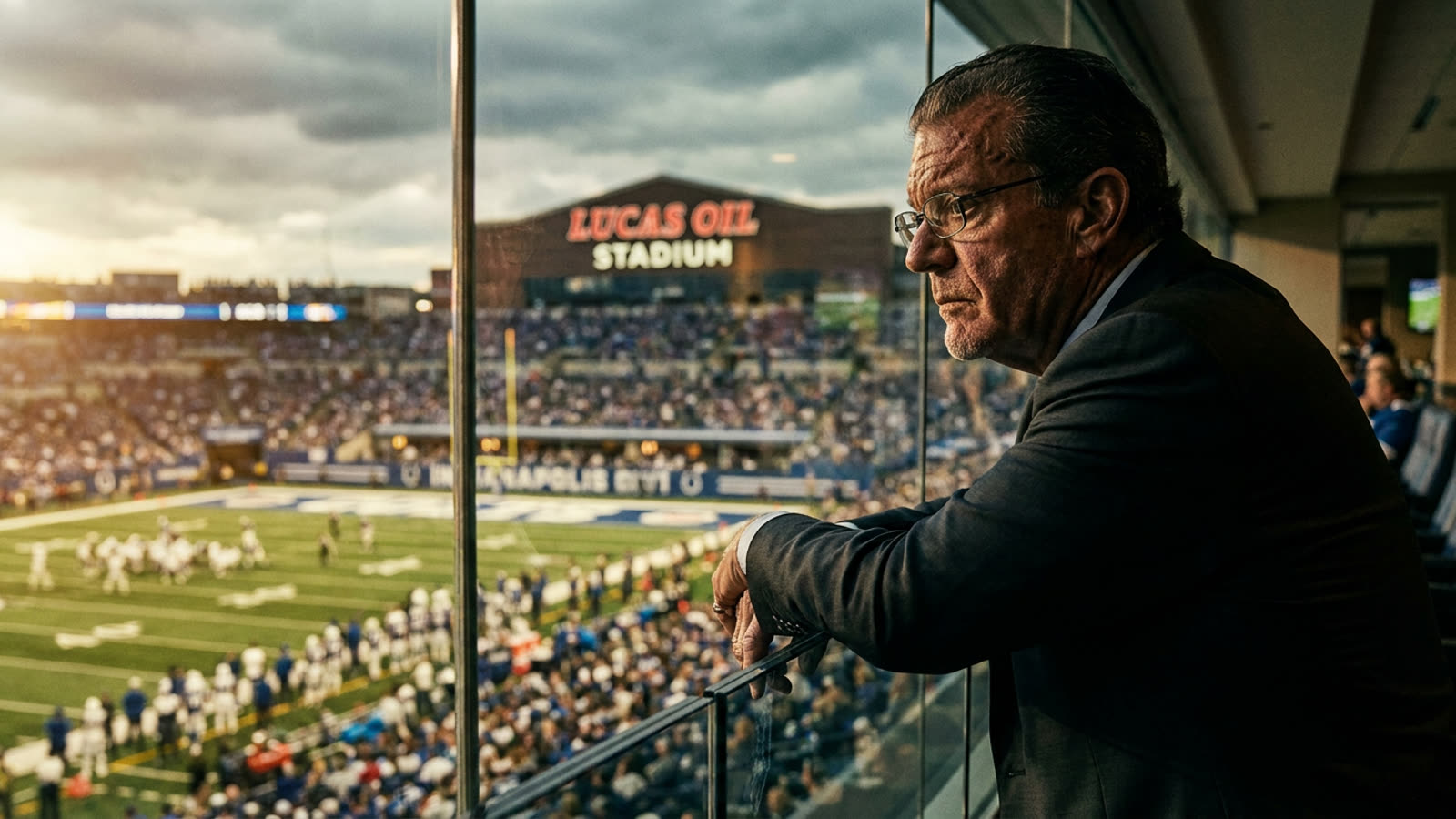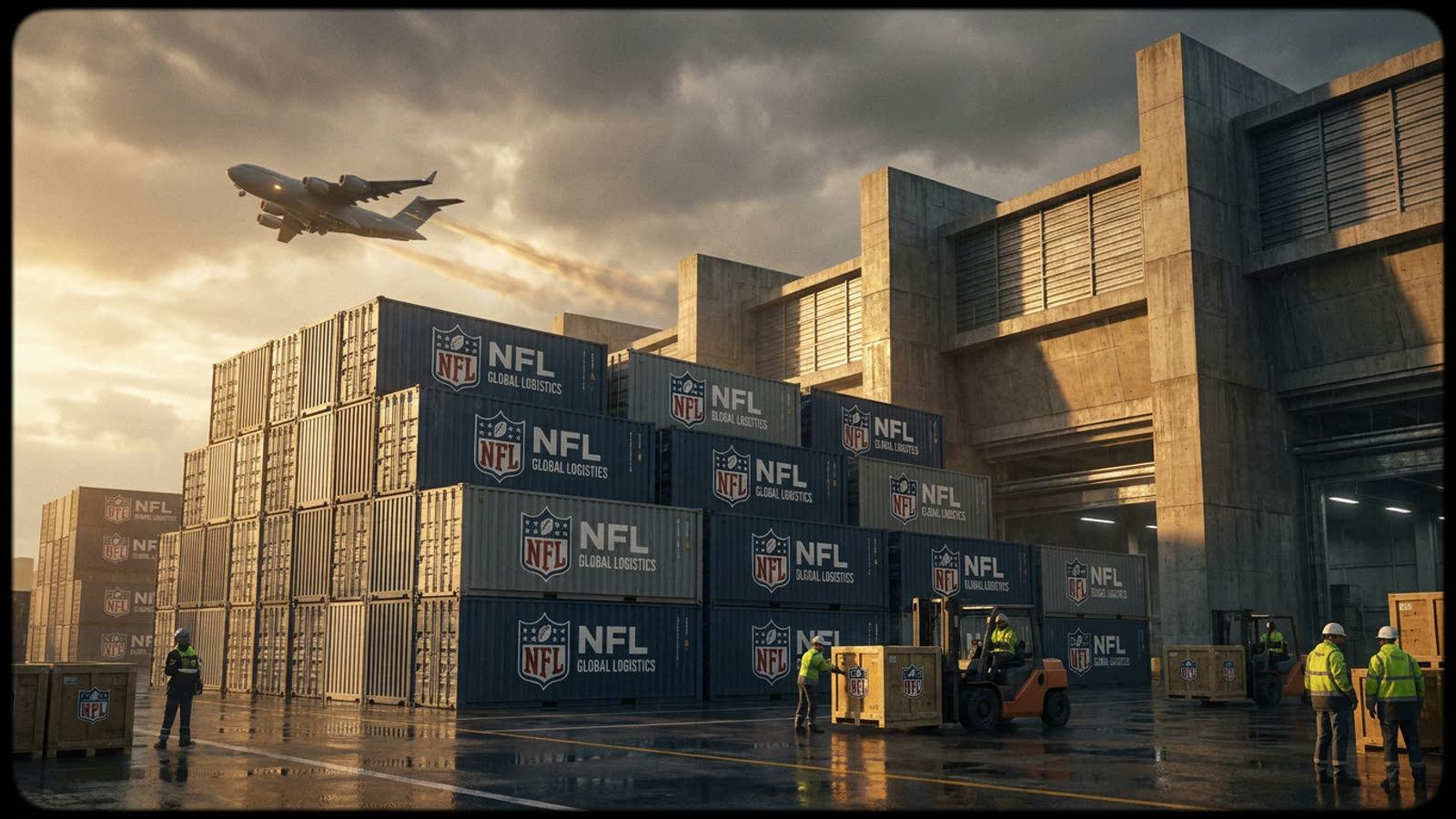
The NFL's decision to increase its international slate while stripping teams of the ability to protect home games from overseas relocation represents the clearest admission yet that the league views its domestic stadium model as a constraint rather than a foundation.
For years, the international games program operated as a carefully managed experiment—a handful of contests in London and Mexico City, with franchises volunteering (or being volunteered) to sacrifice a home date in exchange for global brand exposure. The implicit bargain was that teams retained some control over when and whether they participated. That bargain is now void.
The economics of everywhere
The arithmetic driving this shift is straightforward. NFL broadcast rights remain the most valuable in American sports, but domestic television audiences have plateaued. International markets—particularly Germany, Brazil, and the UK—represent the only significant growth vectors for a league already capturing roughly 70% of American sports viewership on autumn Sundays.
Playing games abroad generates direct revenue through ticket sales and sponsorships, but the larger prize is establishing the NFL as appointment viewing in time zones where it currently competes with sleep schedules. A 6:30 PM kickoff in Frankfurt is prime time. The same game starting at noon Eastern is a morning curiosity in Munich.
What protection meant
The previous system allowed franchises to designate certain home games as ineligible for international relocation—typically rivalry matchups or games with particular local significance. The Packers could protect their Thanksgiving game; the Cowboys could shield their Jerry World spectacles. This created a two-tier system where some teams absorbed disproportionate international burdens while others maintained pristine home schedules.
Eliminating protections doesn't mean every team will immediately lose premium home dates to Berlin or São Paulo. It means the league office now controls that allocation entirely, transforming what was a franchise asset into a league resource. Commissioner Roger Goodell's office can now optimize the international calendar for maximum global impact rather than navigating thirty-two ownership fiefdoms.
The stadium leverage question
This policy shift arrives as multiple franchises negotiate public financing for new or renovated stadiums. The implicit threat has always been relocation to a more generous market. Now there's a softer version: your stadium might remain in place while your most valuable home games migrate overseas. For municipalities weighing billion-dollar commitments, the calculus just became more complex.
The league insists international games benefit host cities through tourism and global exposure. Fans in Jacksonville or Nashville who purchased season tickets expecting eight home games annually may find that promise increasingly theoretical.
Our take
The NFL has spent decades perfecting the art of socializing costs while privatizing benefits—public stadiums, antitrust exemptions, broadcast protections. Stripping teams of game-day control is merely the latest expression of a league that has grown too valuable to be constrained by the communities that built it. The international expansion will succeed commercially; it always does. Whether it represents good stewardship of a sport that derives its power from local tribal loyalty is a question the league has decided it no longer needs to answer.