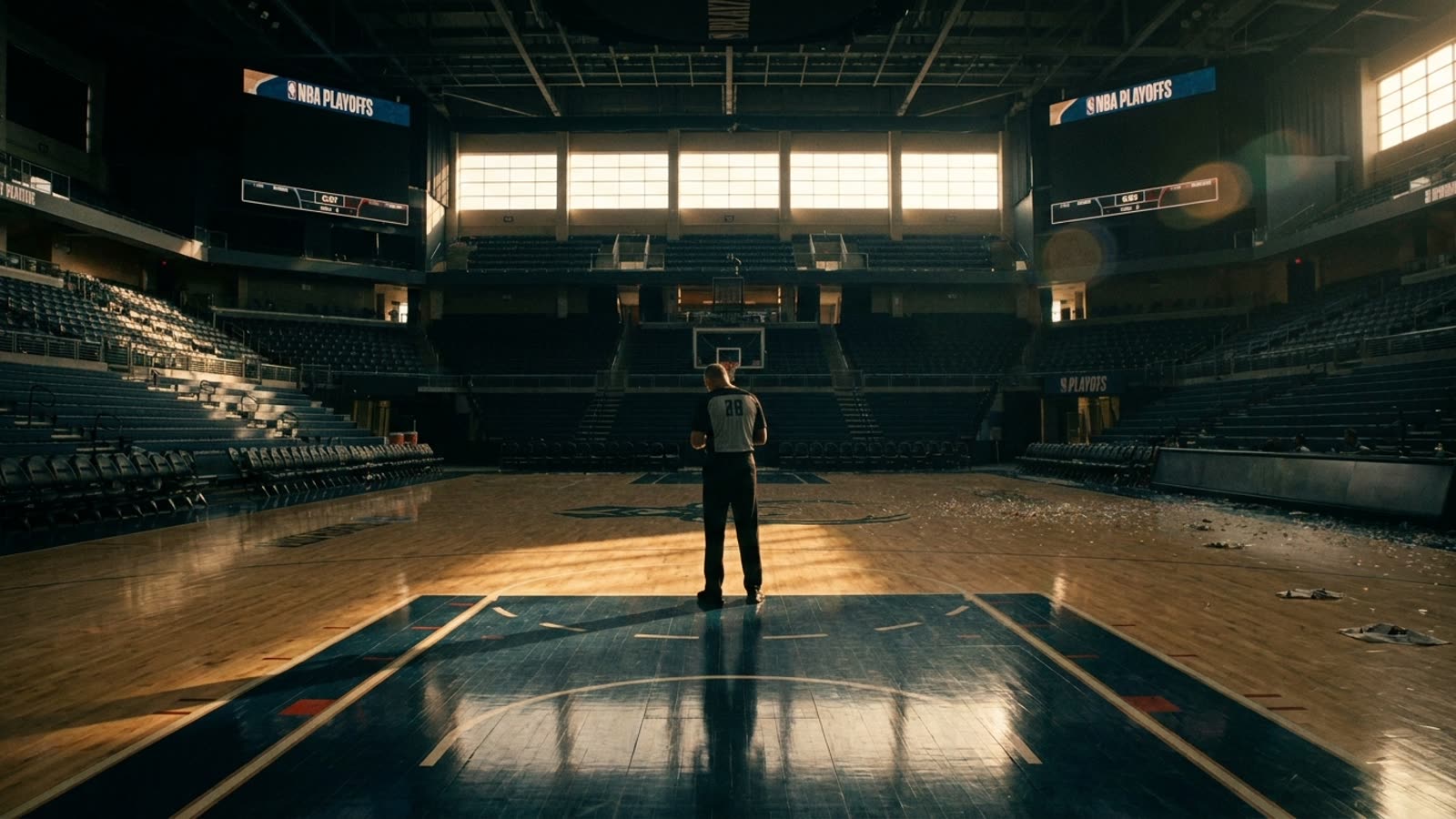
The NBA has a whistle problem, and it just admitted as much while insisting there's nothing to see here.
League data confirms that referees are calling approximately 11% more personal fouls per game in these playoffs compared to the regular season—a gap that ranks among the most extreme in NBA history. The timing is brutal: the spike arrives as the Oklahoma City Thunder face mounting accusations of preferential treatment, with the Lakers becoming the latest franchise to publicly question how Shai Gilgeous-Alexander draws contact. The league's response has been to acknowledge the numbers while defending the officiating as consistent with playoff intensity. It's a rhetorical pretzel that satisfies no one.
The numbers don't lie, but they don't explain themselves either
An 11% increase sounds modest until you consider its downstream effects. More fouls mean more free throws, more players in foul trouble, more momentum swings dictated by officials rather than athletes. In a seven-game series, that variance compounds. The league argues that playoff basketball is simply more physical, that defenders are grabbing and holding more aggressively, and that referees are correctly identifying infractions that might slide in a meaningless February game. There's logic there—but it's also unfalsifiable. If every whistle is justified by invisible intensity, then no whistle can ever be questioned.
Oklahoma City and the perception problem
The Thunder have become the lightning rod for officiating grievances, fairly or not. Gilgeous-Alexander leads the playoffs in free throw attempts by a comfortable margin, and opponents have taken to cataloging every borderline call on social media within seconds. The Lakers' complaints this week were pointed enough to draw fines, which only amplified the narrative. Whether OKC is genuinely benefiting from officiating bias or simply playing a style that draws contact is almost beside the point now. The perception has calcified, and perception shapes how fans experience the product.
What the league could do but won't
Transparency would help. The NBA publishes its Last Two Minute reports—a limited accountability measure that acknowledges missed calls after the fact—but refuses to extend that scrutiny to full games or release referee grading data. A league genuinely confident in its officiating would welcome the sunlight. Instead, the NBA treats its referees like a protected class, insulating them from the same statistical scrutiny applied to every player and coach. The result is a trust deficit that no press release can close.
Our take
The NBA's product depends on the belief that the best team wins. When foul calls spike this dramatically in the games that matter most, that belief erodes—regardless of whether the calls are technically correct. The league's defensiveness suggests it knows this but has no appetite for the structural reforms (challenge expansions, referee transparency, consistent standards across seasons) that might restore confidence. For now, fans are left to wonder whether they're watching basketball or a referendum on officiating philosophy. That's not a playoff atmosphere. That's a credibility crisis in slow motion.