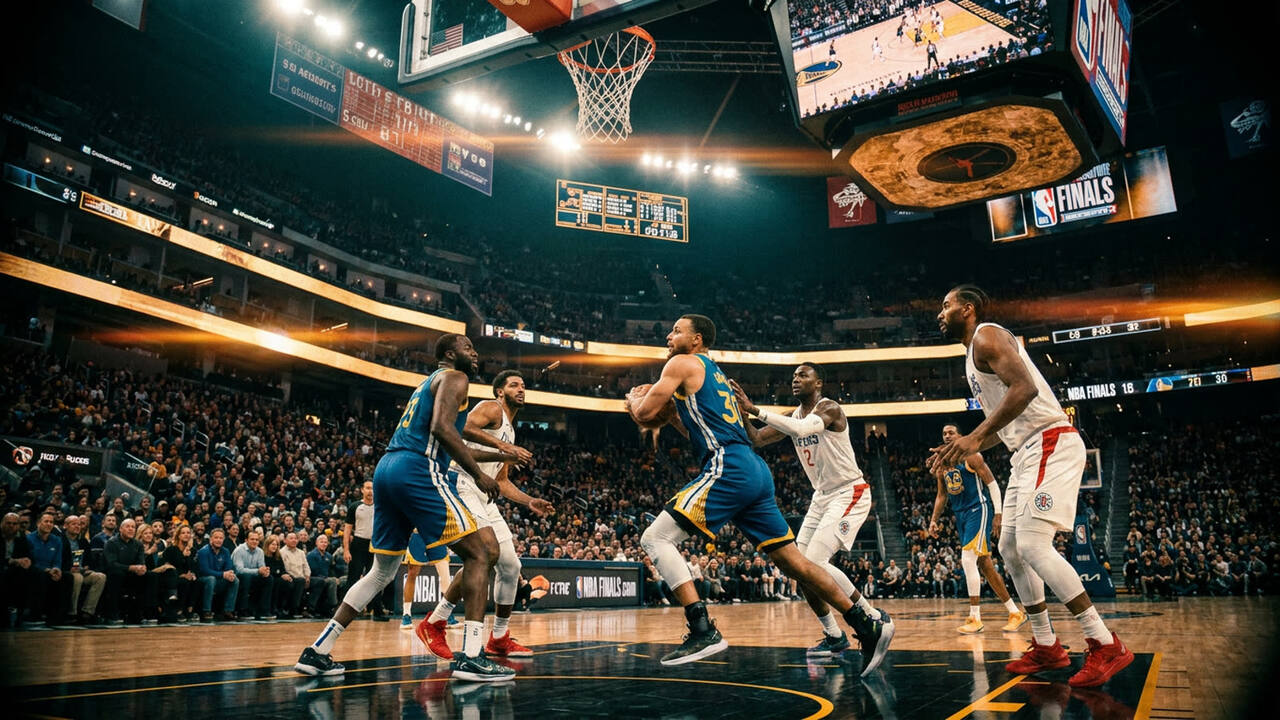
For years, the NBA has wrestled with an uncomfortable question: how do you sell a league where everyone already knows who's going to win? The Finals that just concluded answered it definitively—you don't. You change the league instead.
The numbers are striking. This year's Finals became the most-watched since 1998, when Michael Jordan's final championship run with the Bulls drew audiences that seemed unrepeatable. Game 5 alone peaked at 33 million viewers, a figure that would have seemed fantastical even five years ago, when Finals ratings regularly disappointed network executives and prompted hand-wringing about basketball's cultural relevance.
The end of inevitability
What changed? The short answer is unpredictability. The superteam era that dominated the 2010s—first in Miami, then Golden State, then wherever LeBron James happened to land—trained casual fans to skip the regular season and often the playoffs too. Why watch 82 games when you knew the destination? The Warriors-Cavaliers Finals tetralogy, for all its on-court brilliance, became a ratings ceiling the league couldn't break through.
This year's Finals offered something different: genuine uncertainty. Neither team entered as a prohibitive favorite. Star players delivered in crucial moments, but role players mattered too. Games were close. Outcomes felt earned rather than inevitable. Television audiences, it turns out, respond to stakes.
The Jordan benchmark
The 1998 comparison matters beyond mere numbers. That Finals—Jordan's last, decided by his iconic shot over Bryon Russell—represented peak cultural saturation for the NBA. The league spent the next quarter-century chasing that high, mostly unsuccessfully. The post-Jordan years brought labor disputes, pace-killing isolation basketball, and eventually the superteam consolidation that made regular-season games feel like expensive exhibitions.
Matching those ratings suggests the NBA has finally escaped Jordan's shadow, not by finding another singular transcendent figure, but by building a league where multiple franchises can plausibly contend. The league's competitive balance initiatives—adjusted lottery odds, salary cap tweaks, play-in tournaments—look prescient now.
Our take
The NBA spent years trying to manufacture drama through marketing and social media engagement while its on-court product grew predictable. These ratings prove what should have been obvious: nothing sells sports like genuine competition. The league's challenge now is preserving this parity against the gravitational pull of star players wanting to team up and large-market franchises wanting to buy championships. For one Finals, at least, basketball remembered what made it compelling in the first place.