Manchester United have spent the better part of a decade trying to buy their way back to relevance, cycling through managers with the frantic energy of a gambler chasing losses. Now they're trying something different: betting on a man who already knows where the bodies are buried.
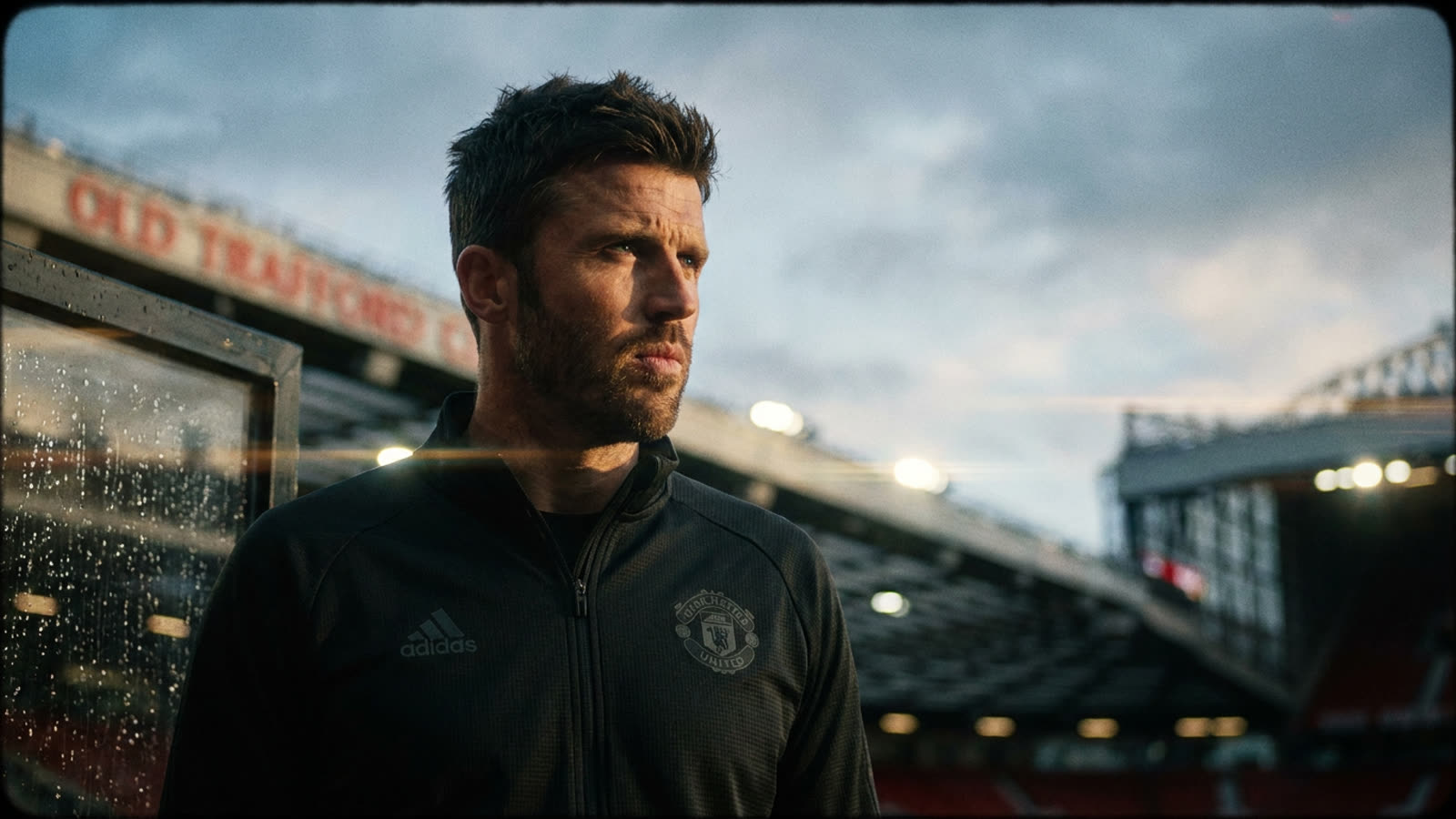
Michael Carrick's agreement to become United's permanent head coach represents the club's clearest acknowledgment yet that the post-Ferguson era requires more than expensive signings and borrowed philosophies. It requires someone who understands what the badge actually means—and, crucially, someone who has proven he can coach at the sharp end of English football.
The Middlesbrough credentials
Carrick's time at Middlesbrough has been the quiet success story of English football's middle tier. He took a club that had been treading water in the Championship and built something coherent: a team that presses with purpose, develops young players, and consistently punches above its financial weight. Boro's promotion push this season wasn't luck. It was the product of a manager who had finally found his voice after years of whispering in others' ears.
The contrast with United's recent managerial appointments is stark. Where Erik ten Hag arrived with rigid systems that never quite fit the personnel, and where Ruben Amorim's brief tenure exposed the gap between theory and execution, Carrick offers adaptability. He's shown at Middlesbrough that he can work with what he has rather than demanding what he wants.
The Ferguson shadow
There's an obvious risk here. United have tried the nostalgia play before—Ole Gunnar Solskjær's appointment was fueled by sentiment, and it ended with the club further from contention than when he arrived. Carrick himself was part of that coaching staff, which raises legitimate questions about whether he's truly moved beyond the old guard's limitations.
But Carrick's trajectory since leaving Old Trafford suggests genuine growth. He didn't take the first job offered; he chose Middlesbrough specifically because it would force him to build from scratch. He's had to make hard decisions without the safety net of a massive transfer budget. He's learned, in other words, how to be a manager rather than just a former player with a coaching badge.
The timing question
United's hierarchy deserves credit for moving decisively. The club's season has been a slow-motion collapse, and the temptation to wait until summer—to conduct a proper search, to interview candidates, to create the illusion of process—must have been significant. Instead, they've chosen clarity. Carrick will have the remainder of the season to assess the squad and the summer to reshape it.
Whether he'll receive the patience that eluded his predecessors remains the central uncertainty. United's ownership has shown little appetite for long-term projects, and Carrick's methods require exactly that. He builds teams slowly, developing patterns and trust over months rather than weeks.
Our take
This is the most sensible appointment United have made since Ferguson retired. Not because Carrick is guaranteed to succeed—he isn't—but because he's the first choice that reflects genuine strategic thinking rather than panic or prestige-chasing. He knows the club's dysfunction intimately, which means he won't be surprised when he encounters it. And he's spent three years proving he can coach, not just reminisce. United have finally hired a manager for who he is now, not who he was then. That alone represents progress.