The goal that won the FA Cup final looked like a mistake until it wasn't. Antoine Semenyo, his back to goal, received a low cross in the 67th minute with no angle, no time, and no obvious option. What followed—a blind, flicked backheel that curled past Robert Sánchez—was the kind of finish that makes you question whether football is a sport or an elaborate magic trick.
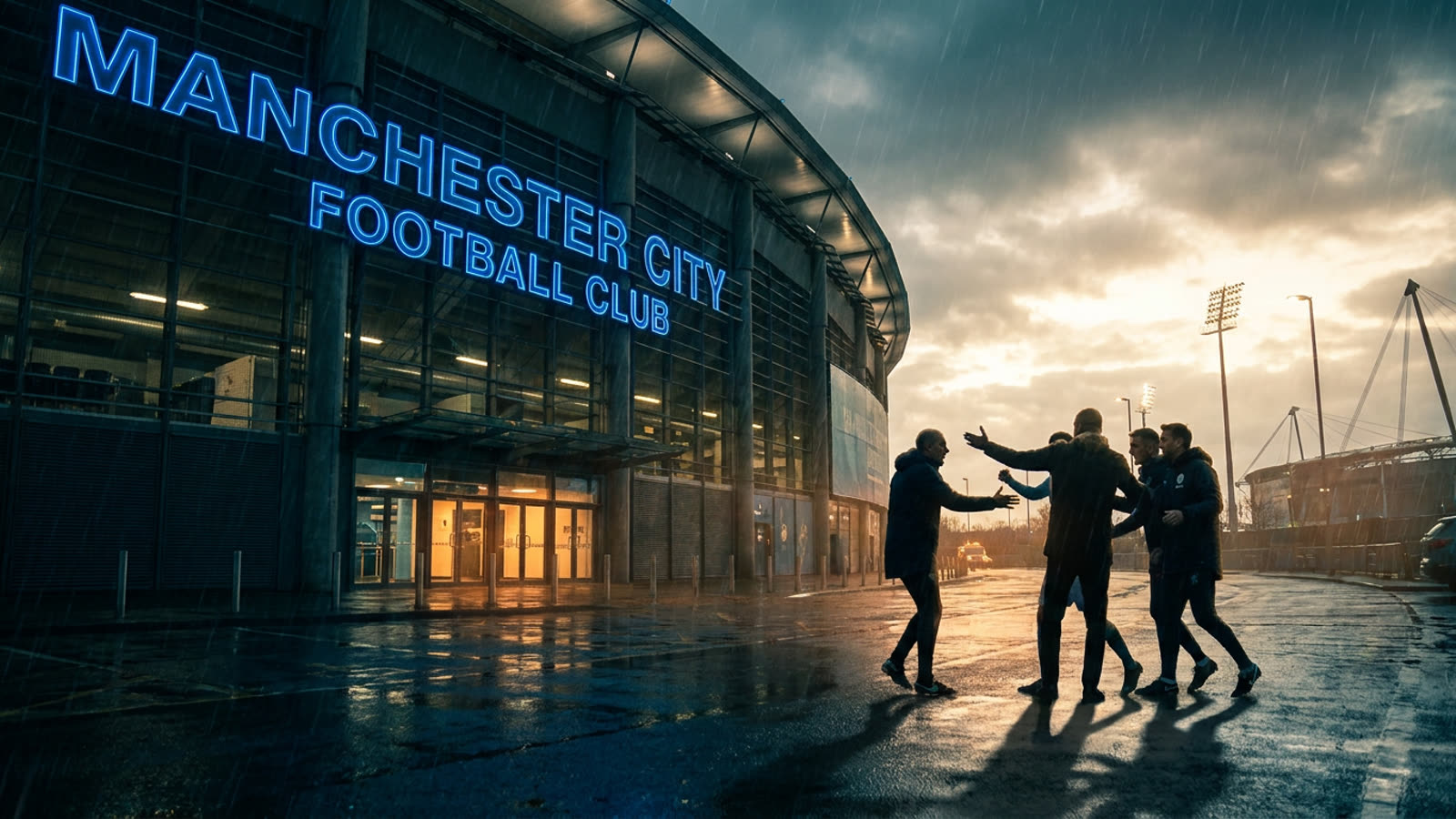
Manchester City's 1-0 victory over Chelsea at Wembley was not a dominant performance. It was a tense, attritional affair between two sides who know each other too well, decided by a moment of individual brilliance that no tactical system can manufacture or defend against. But the result is what matters: City have their domestic cup double, and the Premier League title—the final piece of a potential treble—remains within reach.
The weight of Wembley
For Semenyo, this was vindication. The Ghanaian winger arrived at City in January as a £45 million gamble from Bournemouth, a player whose raw athleticism and directness seemed at odds with Guardiola's possession-obsessed philosophy. Critics wondered whether he could adapt to a system that demands intelligence as much as instinct.
The answer, delivered in the most pressurised 90 minutes of English football, was emphatic. Semenyo's goal wasn't just spectacular—it was the product of spatial awareness and improvisation that suggested he has absorbed more of Guardiola's teachings than his early performances indicated. "I didn't think," he said afterward. "I just felt where the goal was."
Chelsea's familiar frustration
For Enzo Maresca's side, this was another final that slipped away without a trophy. Chelsea dominated possession in the first half and created the better chances, with Cole Palmer twice forcing Ederson into sharp saves. But the finishing that has plagued their season—profligate in the big moments, clinical only when it doesn't matter—reappeared at the worst time.
The broader concern for Chelsea is what this defeat means for their European ambitions. With City's cup win reshuffling the Premier League's continental qualification spots, the top eight now qualify for Europe, and sixth place could yet secure Champions League football. Chelsea, currently seventh, suddenly have a backdoor into elite competition—but only if results elsewhere fall their way.
The treble's long shadow
City's pursuit of three domestic trophies in a single season has been attempted before and failed more often than not. The League Cup is already secured. The FA Cup now joins it. What remains is the Premier League, where City trail Arsenal by two points with three matches to play.
Guardiola, predictably, refused to engage with treble talk. "We have won nothing in the league," he said, his face betraying neither satisfaction nor anxiety. "We play Wolves on Tuesday. That is the only thing."
But the subtext was clear. This City squad, aging in key positions and navigating the final years of the Guardiola era, knows that opportunities for historic achievement are finite. The 2022-23 treble—Premier League, FA Cup, Champions League—was supposed to be the pinnacle. A domestic treble in 2026 would be a different kind of legacy: proof that the machine still works, even as its parts are gradually replaced.
Our take
Semenyo's goal will be replayed for decades, but the real story of this final was City's institutional composure. They were not the better team for long stretches, yet they never looked like a side that might lose. That psychological edge—the ability to absorb pressure and trust that one moment of quality will arrive—is Guardiola's most durable contribution to English football. Whether it survives his eventual departure is the question that should keep City's board awake at night. For now, though, the machine hums on.