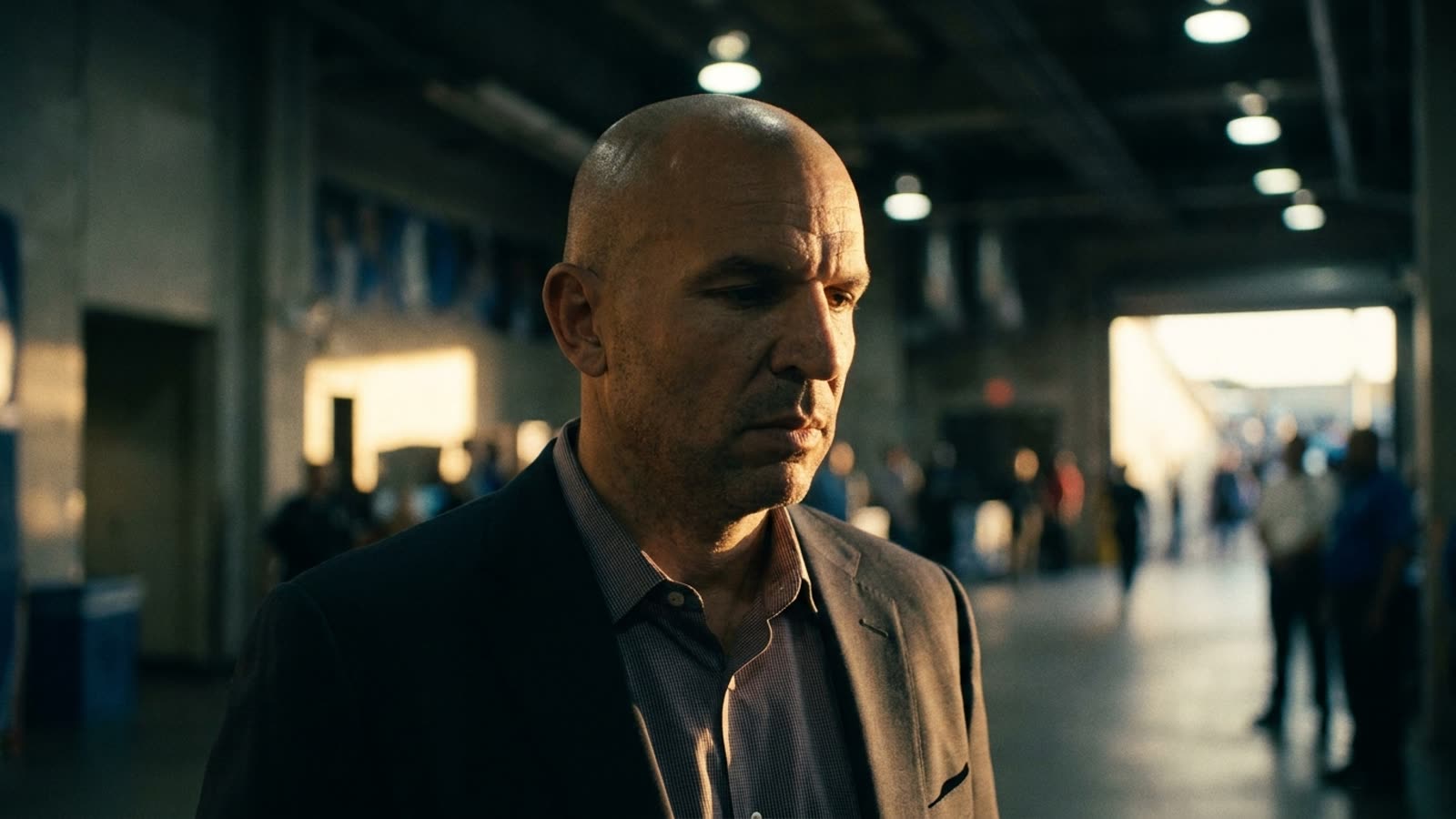
The Dallas Mavericks have parted ways with Jason Kidd, ending a tenure that reached the NBA Finals just two seasons ago but could not sustain the altitude. The separation, confirmed Tuesday, transforms what was already a busy coaching market into something approaching chaos—six head coaching jobs are now open across the league, and the candidate pool is about to get very crowded.
Kidd's exit is not a shock, but its timing is. Dallas made the Finals in 2024 with Luka Dončić and Kyrie Irving, lost to Boston, then watched this season curdle into something unrecognizable. The Mavericks missed the playoffs entirely, their defense cratered, and the relationship between Kidd and the front office reportedly frayed over roster construction and accountability. When a coach takes a team to the championship round and is gone within two years, the post-mortem usually reveals fractures that predated the final loss.
The domino effect
Dallas joins a crowded field of openings that now includes the Pistons, Hornets, Bulls, Pelicans, and Raptors. Each job carries its own degree of difficulty—Detroit has young talent but no proven star, New Orleans has Zion Williamson's knees to consider, Toronto is mid-rebuild—but the Mavericks gig is the most attractive by a considerable margin. Dončić remains a top-five player when engaged, Irving is still capable of brilliance, and owner Mark Cuban's successor ownership group has shown willingness to spend.
The candidate list will be predictable: JJ Redick's name will surface (it always does), as will former Celtics coach Ime Udoka, now available after Houston's own coaching change. Sam Cassell, long regarded as the best assistant not yet promoted, will interview somewhere. The question for Dallas is whether they want a tactician who can scheme around Dončić's weaknesses or a culture-setter who can demand more from him. Kidd was supposed to be the latter. It did not work.
What went wrong
The simplest explanation is defense. Dallas ranked in the bottom ten defensively this season, a collapse that no amount of Dončić magic could offset. Kidd's teams in Milwaukee were defined by their defensive identity; his Mavericks never found one. Part of that is roster construction—the front office's inability to surround Dončić with switchable wings is a front-office failure, not a coaching one—but part of it is scheme and effort, which falls squarely on the sideline.
There is also the Dončić question, which no one in Dallas wants to answer publicly. The 27-year-old is the franchise, and franchises do not criticize their cornerstones. But Dončić's conditioning, his body language during losses, and his occasional disengagement on defense have been talking points for years. Kidd was supposed to be the coach who could reach him. If he couldn't, who can?
Our take
Kidd deserved more runway than he got, but the Mavericks are not wrong to want more than a Finals appearance followed by regression. The danger now is that Dallas chases a name rather than a fit. Dončić needs structure, not another friend. The next coach will either unlock a championship window or become the latest cautionary tale about building around a singular genius who may not want to be coached at all.