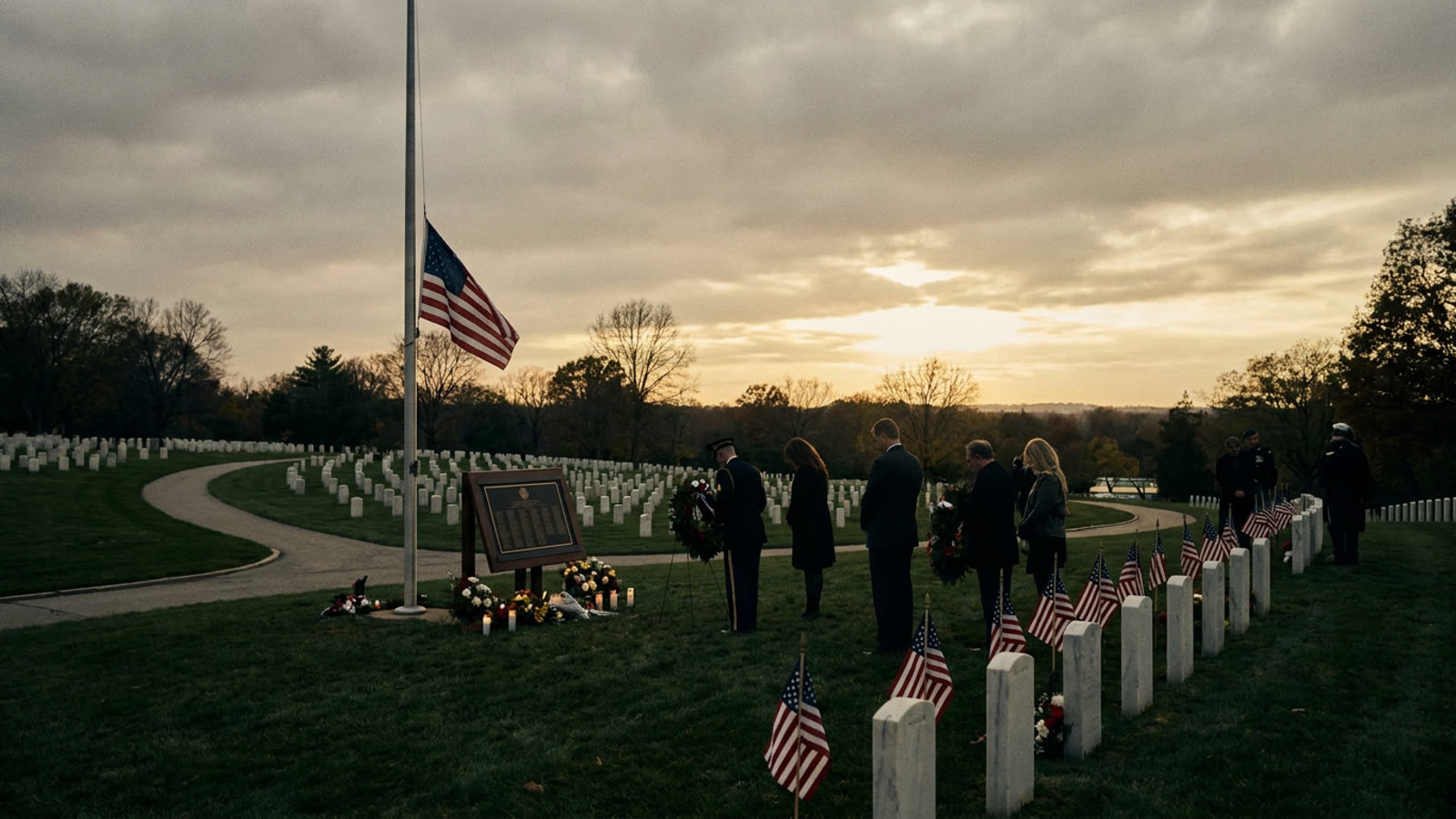
For the first time since 2011, Memorial Day arrives while American troops are actively dying in Middle East combat. The thirteen service members killed since the Iran war began in March join a grim roster that stretches back to Desert Storm, through two decades in Iraq and Afghanistan, and now into a conflict whose end remains uncertain despite frantic diplomatic maneuvering in Doha.
The timing is brutal. Families who buried their children weeks ago must now navigate a national holiday built around honoring the dead while cable news runs split-screen coverage of ceasefire negotiations. Gold Star parents from the Afghanistan generation will lay wreaths beside those whose loss is measured in days, not years.
The weight of recurrence
What distinguishes this Memorial Day is not the number of casualties—thirteen is mercifully small compared to the peaks of Iraq and Afghanistan—but the sense of repetition it evokes. The median age of Americans killed in Iran hovers around twenty-four, meaning most were toddlers during the 2003 invasion of Iraq and elementary schoolers when Osama bin Laden was killed. They grew up watching their country extricate itself from one Middle Eastern conflict only to enlist in time for another.
The geography has shifted—Tehran instead of Baghdad, the Strait of Hormuz instead of the Sunni Triangle—but the essential American experience remains unchanged: young people from small towns and struggling cities sent to fight in lands most of their neighbors cannot locate on a map, for objectives that shift with each administration.
Diplomacy's shadow
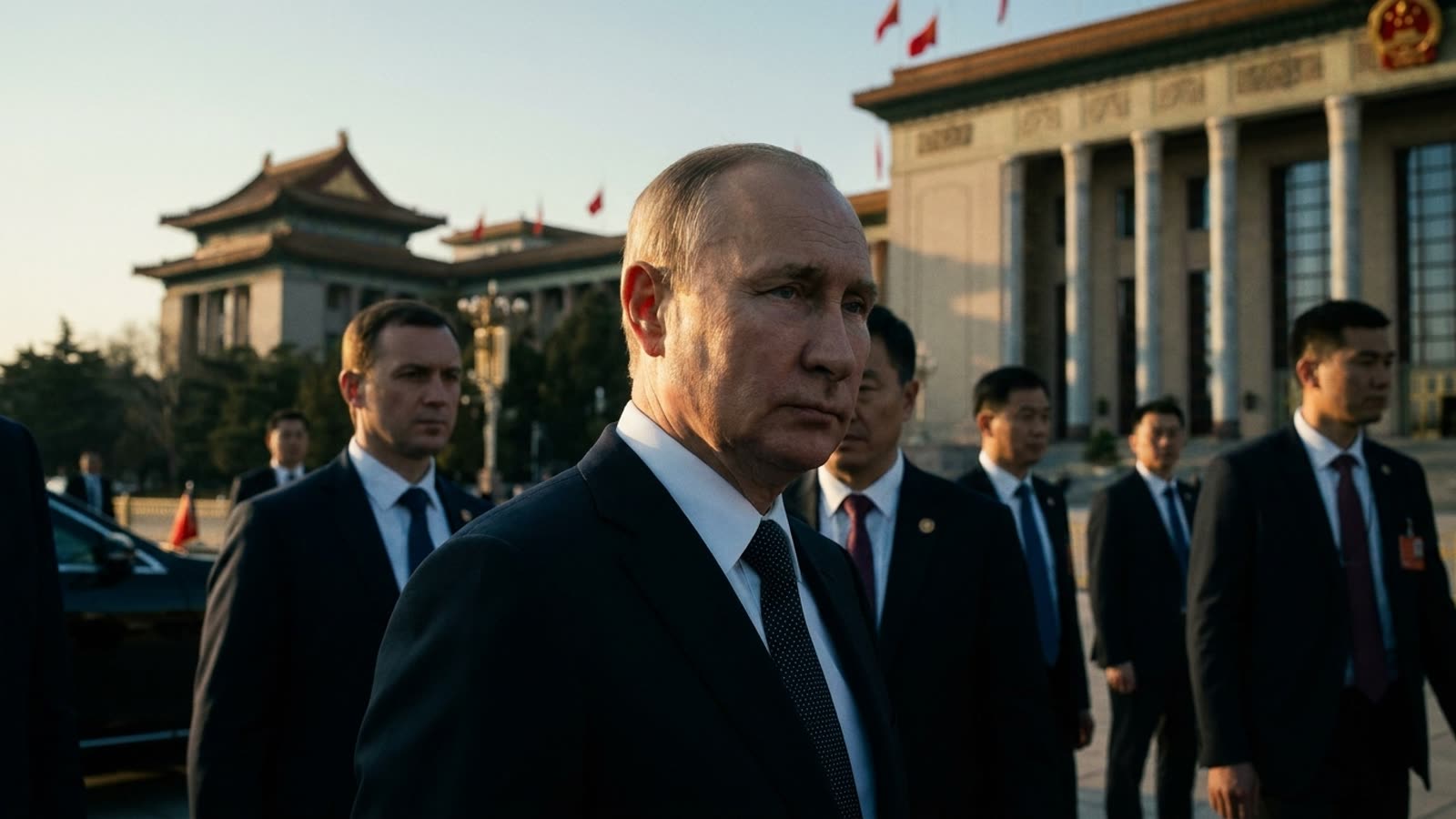
President Trump's push for a rapid settlement with Iran casts an odd pall over the commemorations. If a deal materializes in the coming days, as some officials hope, the thirteen deaths will be framed as the tragic but finite cost of a short, successful campaign. If talks collapse, they become the opening entries in a ledger that could grow much longer.
This uncertainty makes the holiday's rituals—the parades, the speeches, the flags on graves—feel provisional. Are we honoring the fallen of a concluded chapter or the first casualties of an open-ended commitment? The answer depends on negotiations happening six thousand miles away, conducted by diplomats who will not be laying wreaths.
Our take
Memorial Day has always asked Americans to hold contradictory feelings: pride and grief, gratitude and doubt. This year adds a third tension—hope that the dying might stop soon, and the gnawing suspicion that the Middle East has a way of making fools of such hopes. The thirteen families beginning their lifetime of Memorial Days deserve a country honest enough to admit it does not yet know what their sacrifice purchased.