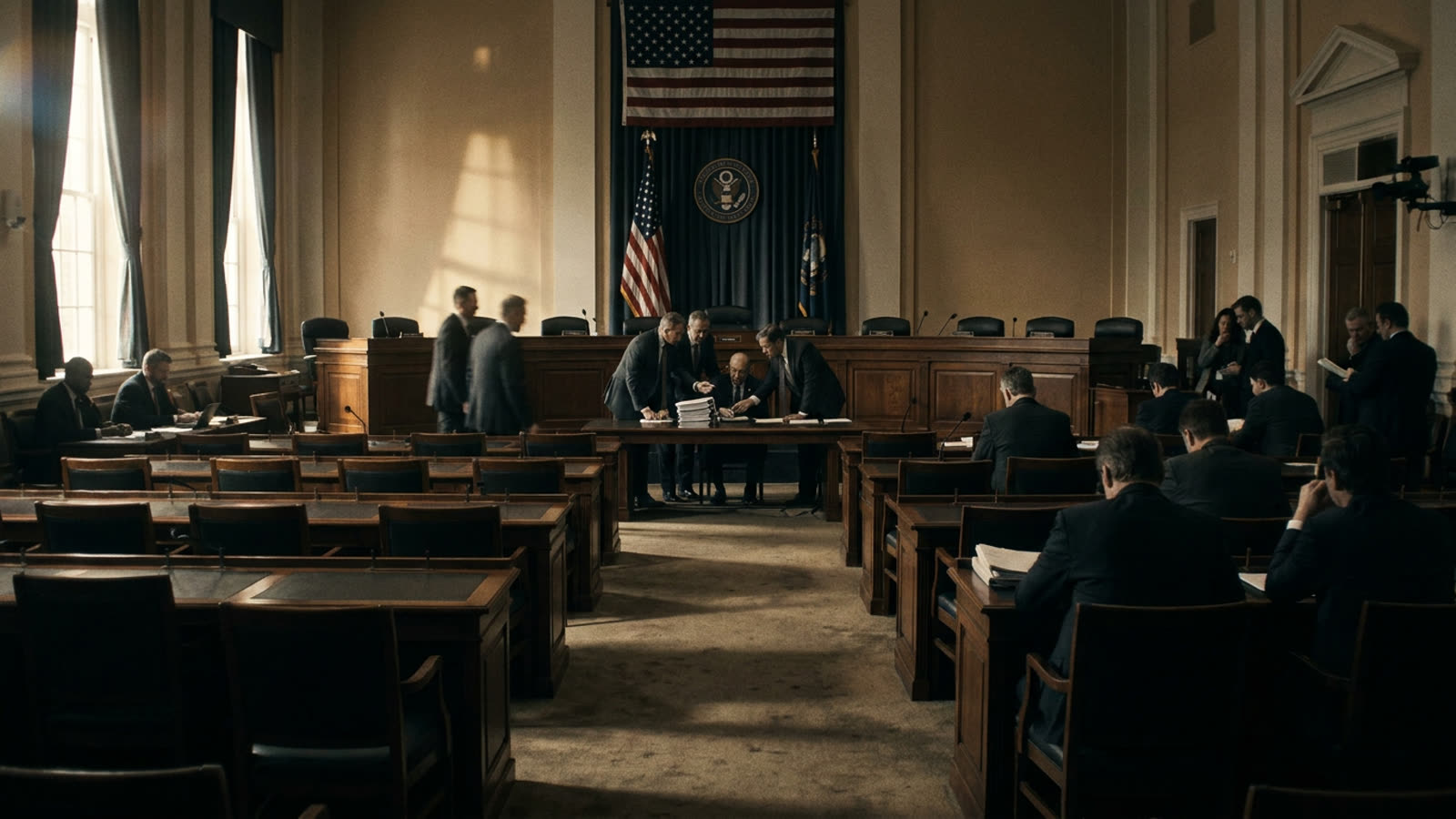
The American housing crisis has been bipartisan in its devastation and bipartisan in its neglect. Now, improbably, it has produced a bipartisan legislative response — and the White House appears to have barely noticed.
While President Trump has spent the past weeks consumed by the Iran negotiations, Congress quietly advanced the most significant federal housing intervention in a generation. The bill, which combines supply-side incentives with modest demand-side reforms, represents exactly the kind of unglamorous, coalition-building governance that Washington claims to want. It also represents the kind of domestic policy that this administration treats as an afterthought.
The bill's unlikely journey
The legislation emerged from an unusual alliance between suburban Republicans worried about voter backlash over affordability and progressive Democrats who have made housing a generational equity issue. The compromise strips out the most aggressive provisions from both sides — no national rent control, no wholesale elimination of local zoning authority — in favor of targeted incentives for multi-family construction and streamlined permitting processes.
The Congressional Budget Office estimates the package could add several hundred thousand housing units annually over the next decade, a meaningful dent in a shortage measured in millions. More importantly, it establishes federal carrots and sticks that could shift the political economy of local housing decisions, where the real obstruction occurs.
The attention deficit
The White House has issued no statement on the bill's passage. Press briefings have been dominated by Iran. The president's social media presence — still the most reliable indicator of his priorities — contains no mention of housing in the past month.
This is not entirely surprising. Housing policy offers none of the dramatic imagery that defines Trump's political brand. There are no villains to vanquish, no deals to announce with foreign leaders, no opportunities for the theatrical confrontation that animates his base. A signing ceremony for zoning reform incentives does not compete with the prospect of ending a war.
But the neglect carries costs. The bill requires executive action to implement effectively, and agencies take cues from presidential attention. Without White House engagement, the legislation risks becoming another well-intentioned statute that dies in the regulatory weeds.
The political miscalculation
The irony is that housing affordability polls as a top-three concern among the suburban voters who will determine the 2028 electoral map. The Iran conflict, however it resolves, will fade from voter consciousness far faster than the monthly reminder of rent payments.
Administrations that neglect domestic policy for foreign drama often discover that voters have shorter memories for international triumphs than for kitchen-table failures. The housing bill offers Trump a rare opportunity to claim a bipartisan domestic achievement — the kind of legacy item that outlasts news cycles.
Our take
The housing bill is imperfect, as all compromises are. But it represents something increasingly rare: functional legislating on a problem that affects millions of Americans daily. That the White House cannot be bothered to celebrate it — or even acknowledge it — tells you everything about where this administration believes political value lies. Trump may yet sign the bill, pocket the credit, and move on. But the silence speaks louder than any ceremony would.