The paradox of Donald Trump's apparent breakthrough with Iran is that ending a war may be easier than surviving the peace. As negotiators in Oman inch toward a framework that would freeze uranium enrichment in exchange for phased sanctions relief, the president faces a domestic coalition fracturing along lines that defy traditional partisan geometry.
The deal taking shape—still incomplete, still fragile—would represent the most consequential American diplomatic pivot since the 2015 JCPOA, which Trump himself torpedoed during his first term. That irony is not lost on anyone in Washington, least of all the Republican hawks who cheered the original withdrawal and now find themselves watching their president negotiate with the same regime they spent years calling an existential threat.
The GOP's Uncomfortable Reckoning
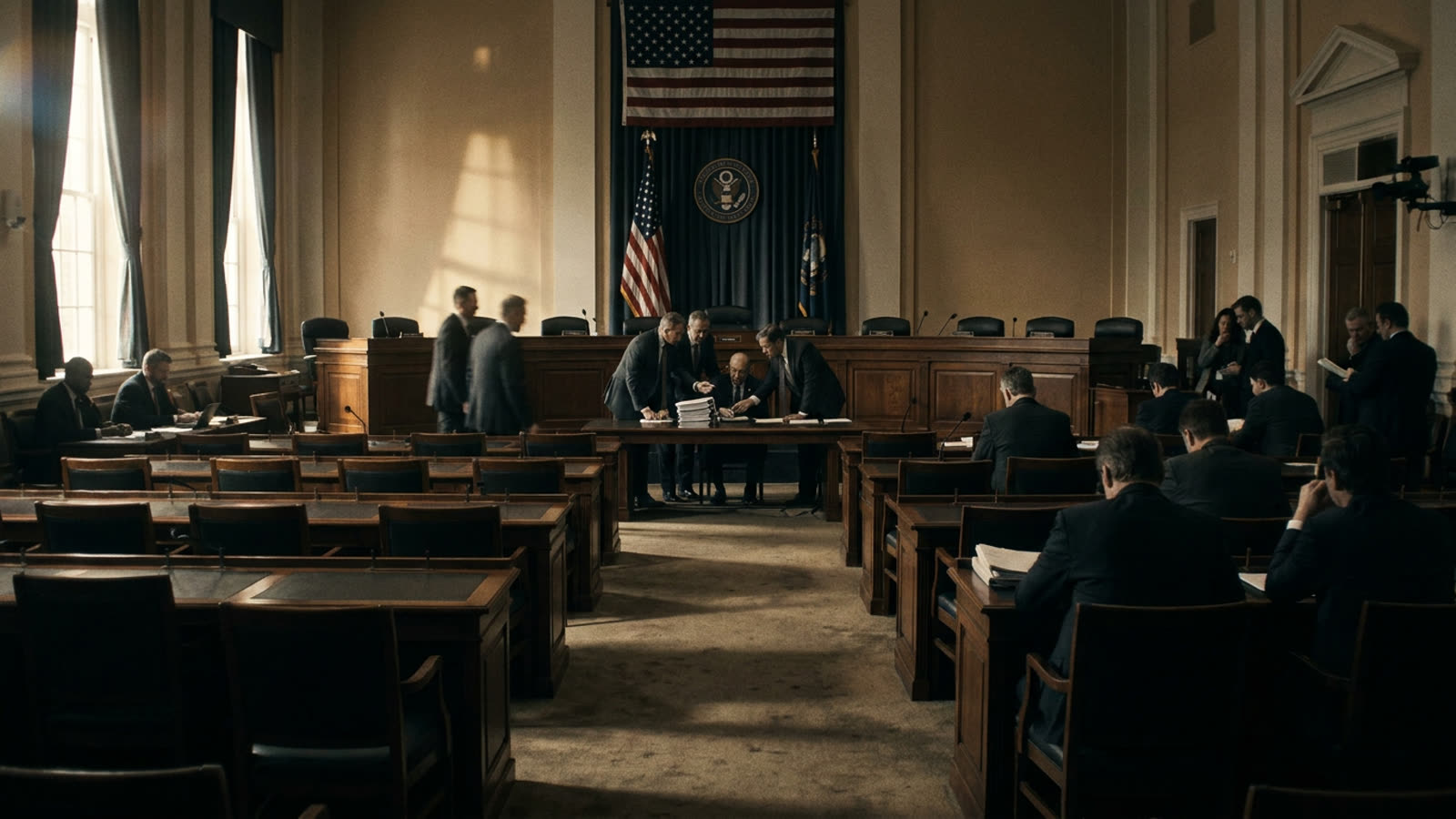
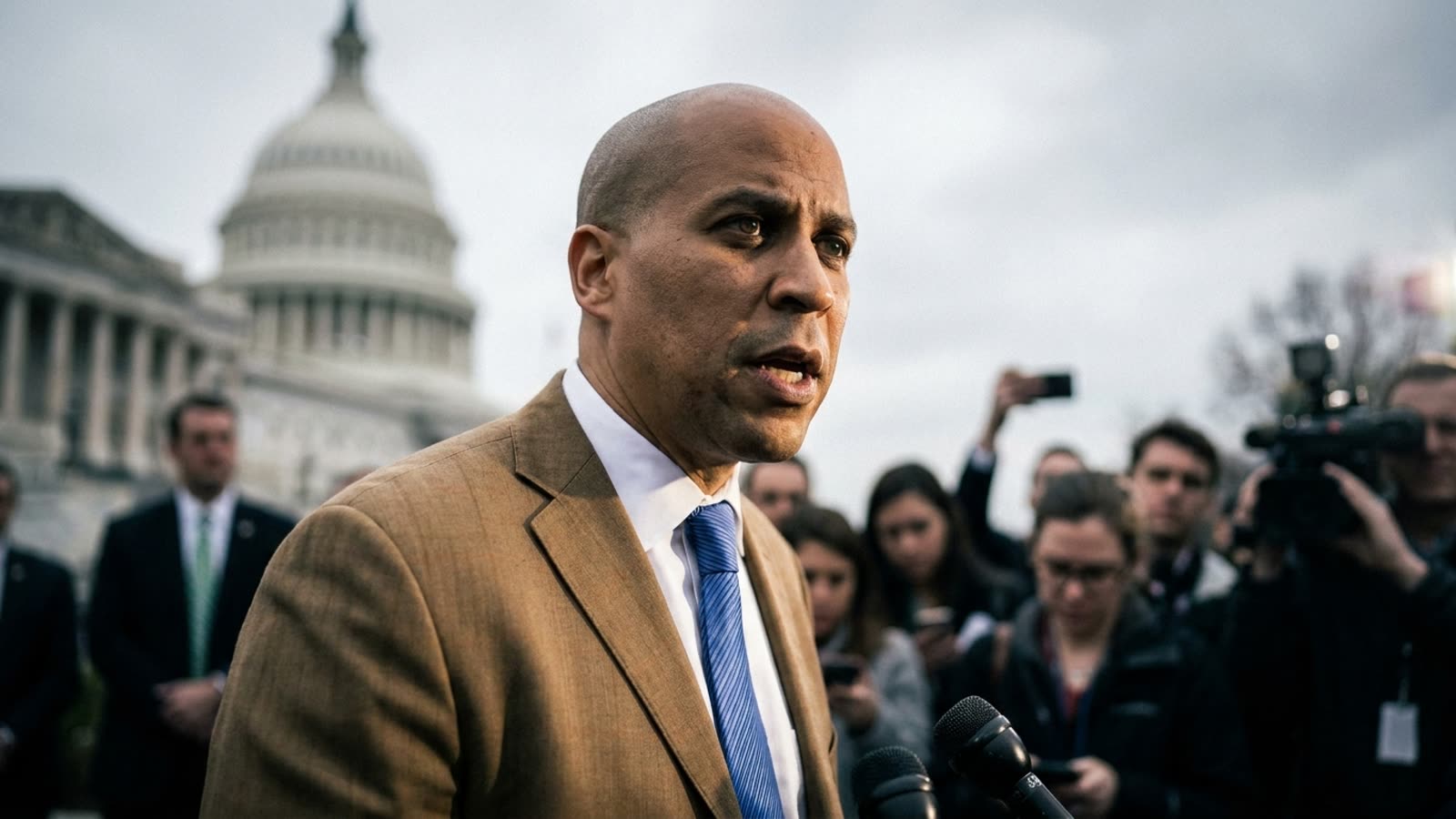
Senate Republicans are experiencing something close to ideological whiplash. Members who built careers on maximum-pressure rhetoric toward Tehran are now being asked to ratify an agreement that implicitly validates the diplomatic approach they once derided as appeasement. The discomfort is palpable in hallway conversations and notably absent from on-the-record statements—a silence that speaks louder than any press release.
The hawkish wing, led by voices who pushed for military escalation after the initial strikes, cannot openly oppose a president who remains the gravitational center of their party. But their concerns are substantive: verification mechanisms remain vague, the timeline for sanctions relief appears front-loaded, and Iran's regional proxy networks are barely addressed. These are legitimate objections being whispered rather than shouted.
Democrats' Mirror Image
The left faces its own contortions. Progressive members who opposed the war from day one should be natural allies of any de-escalation—yet endorsing a Trump diplomatic victory requires swallowing considerable pride. More centrist Democrats, meanwhile, are caught between acknowledging that diplomacy is preferable to continued conflict and questioning whether this particular deal serves American interests or merely Trump's political calendar.
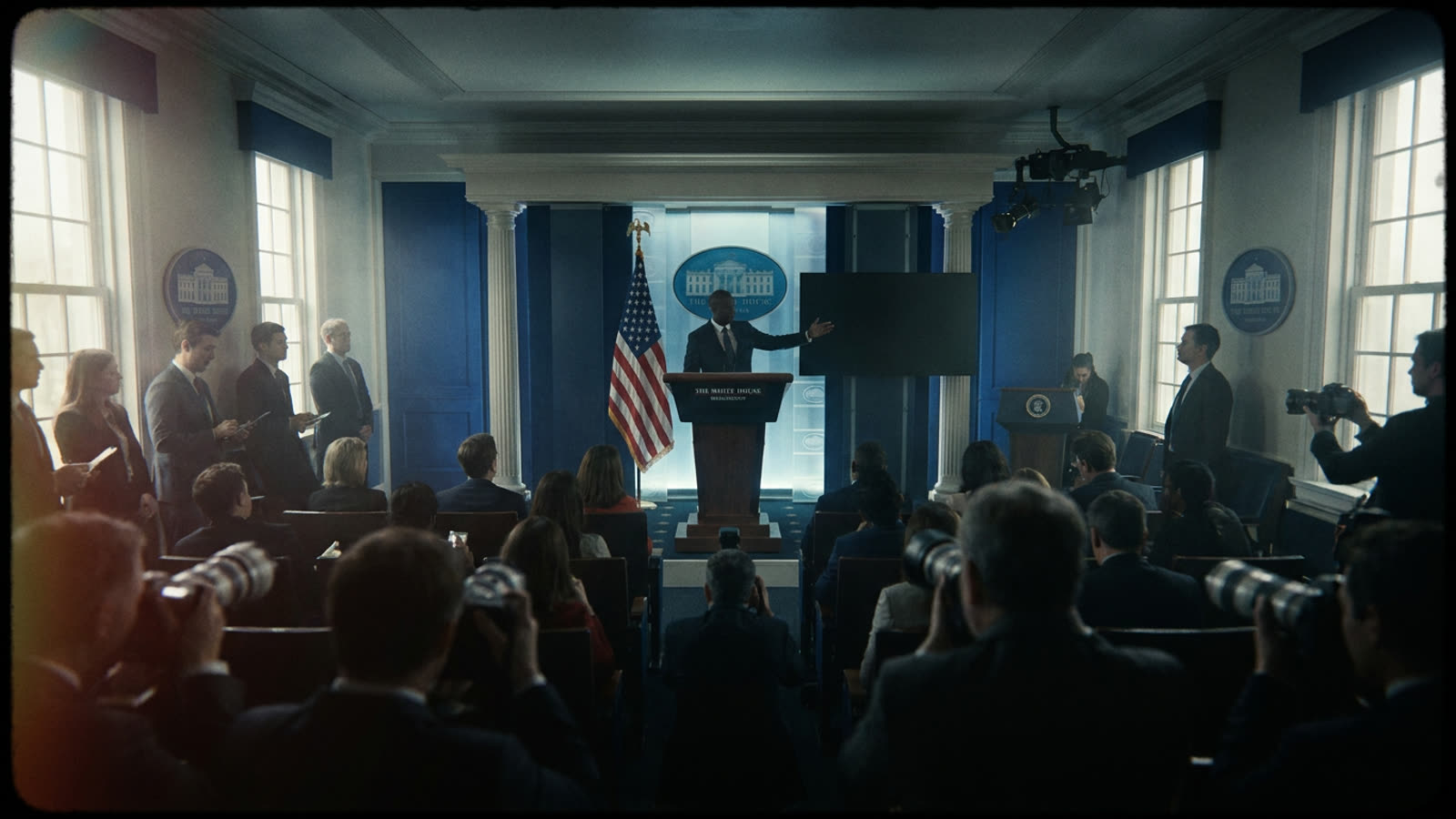
The result is a strange Washington tableau: both parties publicly cautious, privately agonized, and institutionally paralyzed. Congressional oversight mechanisms designed for precisely this moment—treaty ratification, sanctions legislation, war powers debates—are being bypassed through executive maneuvering that both parties have tolerated when convenient.
The Substance Behind the Theater
Strip away the domestic politics and the emerging framework has genuine strategic implications. Iran would cap enrichment at levels insufficient for weapons-grade material while international inspectors regain access lost years ago. The United States would unwind secondary sanctions that have strangled Iranian oil exports and frozen the country out of global finance. Neither side gets everything; both get enough to claim victory.
The harder questions—what happens to Iranian-backed militias in Iraq and Syria, how Israel's security concerns are addressed, whether any agreement survives the next American election—remain unanswered. These are not details; they are the architecture upon which any durable peace must rest.
Our take
Wars end when exhaustion exceeds ideology, and both Washington and Tehran have reached that threshold. Trump deserves credit for recognizing the moment, even if his route here—through a conflict many believe his policies helped precipitate—complicates the narrative. The deeper problem is that American foreign policy has become so personalized, so detached from institutional consensus, that any agreement lives or dies with its author. A deal that cannot survive a single election is not diplomacy; it is a ceasefire with an expiration date. The fighting abroad may stop. The fighting over what it meant, and what comes next, is just beginning.