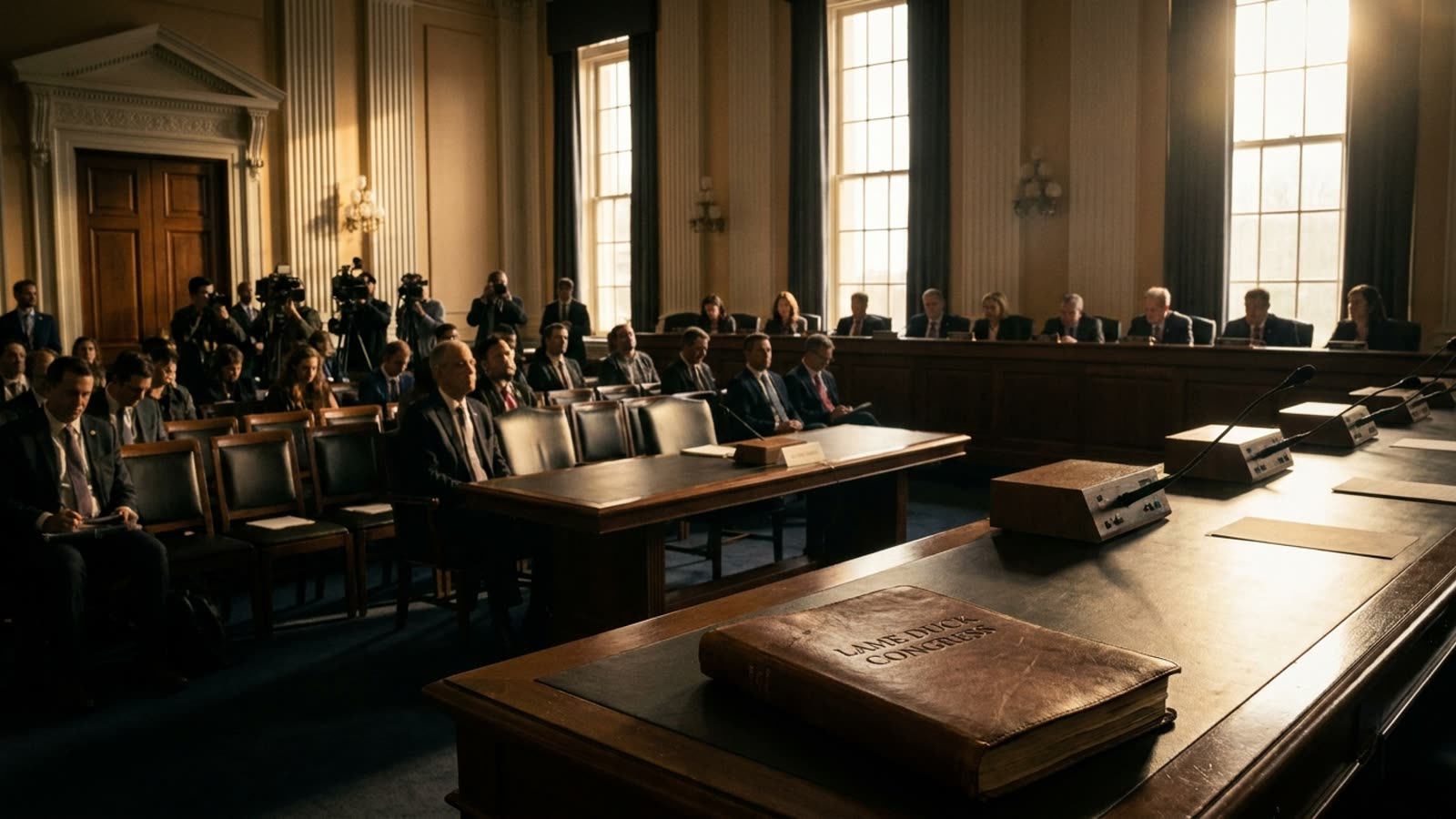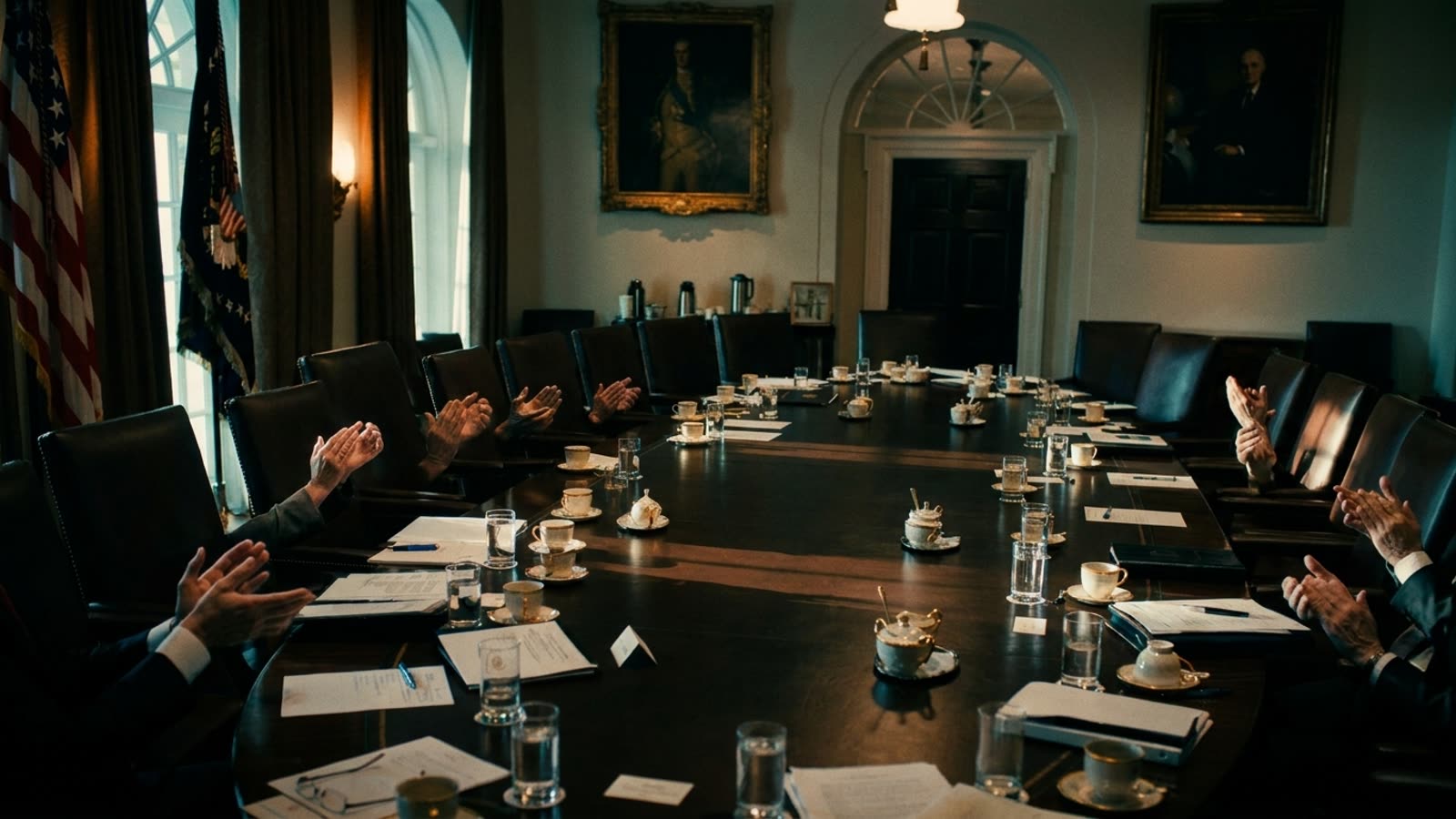
The popular imagination grants prime ministers a kind of monarchical authority — the leader decides, the government follows. This is almost entirely wrong. In Westminster-style systems and their continental cousins, power is formally vested not in the head of government but in the cabinet as a collective body, and the gap between constitutional theory and political reality shapes everything from tax policy to war.
The principle is called collective cabinet responsibility, and it functions as both a shield and a cage. Once a decision emerges from the cabinet room, every minister must defend it publicly or resign. There is no loyal opposition within the executive. A health minister who privately detests a budget cut must praise it at the dispatch box or surrender her portfolio. This enforced unanimity creates the appearance of governmental coherence while concealing the knife fights that preceded it.
The cabinet room as marketplace
Decisions rarely arrive at cabinet fully formed. The real negotiations happen in cabinet committees, bilateral meetings between ministers, and the endless circulation of papers through the civil service. A prime minister chairs these processes but cannot simply decree outcomes. She must assemble majorities within her own government, trading concessions on one file for support on another. A transport minister might accept reduced infrastructure funding in exchange for backing on an unrelated immigration measure. The prime minister's leverage comes from controlling the agenda, the committee assignments, and ultimately the power to reshuffle — but reshuffles carry political costs and cannot be deployed casually.
This marketplace logic explains why parliamentary governments often move incrementally even when they command large legislative majorities. The constraint is not opposition in parliament but dissent within the executive itself. Margaret Thatcher, remembered as an ideological bulldozer, spent years carefully constructing cabinet support before major privatizations. Her eventual downfall came precisely when she lost the cabinet's confidence on European policy.
When the system breaks
The collective model assumes ministers will subordinate personal ambition to governmental unity. When that assumption fails, the results are spectacular. The Brexit cabinet of 2016-2019 became a laboratory for dysfunction, with ministers openly briefing against each other and resignations arriving in clusters. The formal machinery of collective responsibility continued operating — papers circulated, committees met — but the underlying political compact had dissolved.
Similar breakdowns occur when prime ministers attempt to concentrate power excessively. Tony Blair's reliance on a small kitchen cabinet and bilateral "sofa government" worked while he commanded personal authority, but it left formal cabinet structures atrophied and unable to check decisions like the Iraq War. The system depends on prime ministers accepting its constraints, and those who circumvent them often pay delayed costs.
Our take
Cabinet government is an eighteenth-century technology that has proven surprisingly durable, precisely because it forces executives to build internal coalitions before acting. The process is frustrating, opaque, and occasionally produces policy that satisfies no one fully. But it also prevents the worst excesses of concentrated power and ensures that major decisions carry the genuine buy-in of senior officials who must implement them. The alternative — a unitary executive who can act swiftly and alone — has its own well-documented pathologies. Collective responsibility is slow by design, and that slowness is often the point.