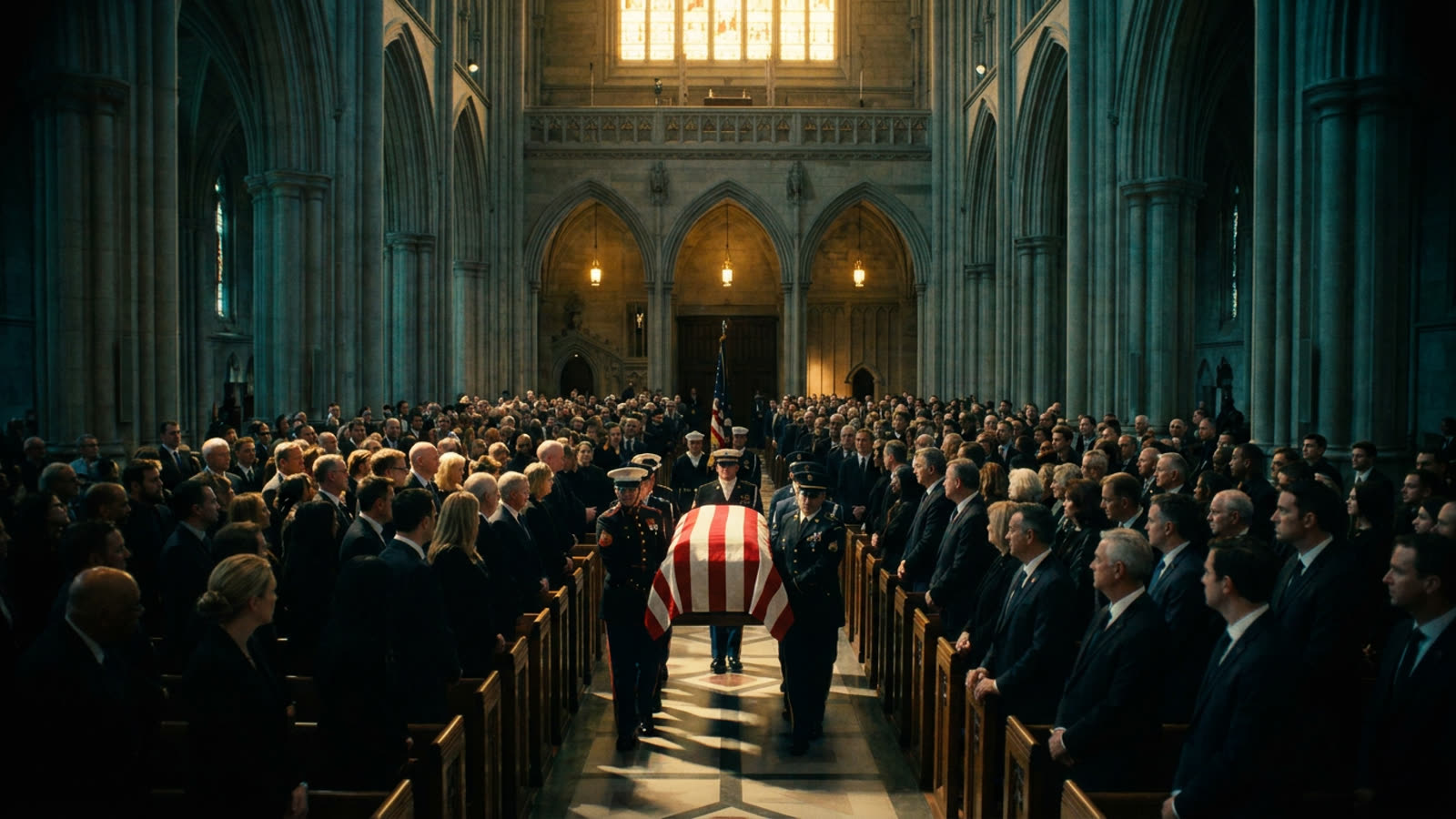
When a head of state dies, the machinery of grief becomes indistinguishable from the machinery of power. The seating chart at a state funeral is a diplomatic document as consequential as any treaty, and the choreography of who stands where, who shakes whose hand, and who pointedly does not attend communicates volumes to domestic audiences and foreign capitals alike.
This is not cynicism. It is simply how states have always functioned. The funeral is the rare moment when legitimacy must be performed rather than merely claimed.
The architecture of attendance
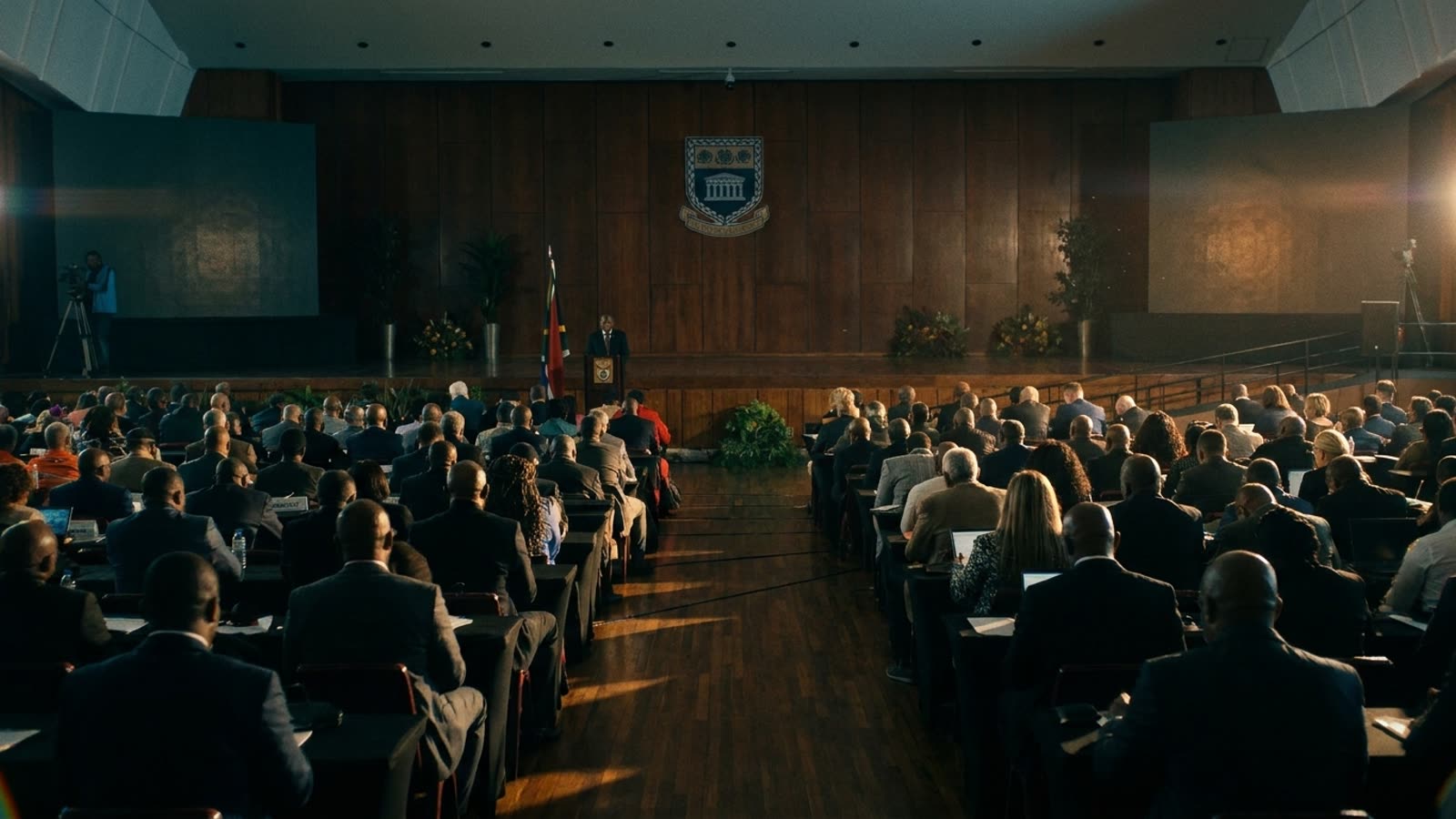
The invitation list to a major state funeral is negotiated with the same intensity as a summit communiqué. When Winston Churchill died in 1965, his lying-in-state and funeral became a referendum on Britain's postwar standing — the largest gathering of foreign dignitaries in British history to that point, a deliberate statement that the empire's twilight still commanded global attention. When Nelson Mandela died in 2013, the memorial service in Johannesburg became an impromptu diplomatic arena where President Obama shook hands with Raúl Castro, a gesture that foreshadowed the thaw in American-Cuban relations.
The calculus is always double-edged. Attending signals respect and, implicitly, endorsement of the successor regime. Declining attendance — or sending a deputy — is a rebuke that requires no official statement. When authoritarian leaders die, Western democracies must perform a delicate dance: acknowledge the geopolitical reality without appearing to legitimize the regime's domestic conduct.
Succession in real time
State funerals serve a second, perhaps more important function: they compress the transfer of power into a single visible event. The new leader is seen receiving condolences from world leaders, standing in the position of authority, assuming the ritual role. In monarchies, this is explicit — the funeral of the old sovereign and the proclamation of the new are often separated by mere hours. In republics, the mechanism is subtler but no less real.
The funeral forces foreign governments to engage with the successor immediately, creating a cascade of implicit recognitions. A handshake with a visiting president is worth a dozen diplomatic cables. The successor emerges from the ceremony not merely as the legal inheritor of office but as someone the international community has already begun treating as legitimate.
The domestic audience
Abroad, the funeral is diplomacy. At home, it is nation-building. The route of the cortège, the choice of speakers, the religious or secular framing, the decision to open viewing to the public or restrict it to elites — each choice sends a message about what the nation is supposed to be. Funerals for founding figures become origin myths in real time. The imagery will be reproduced in textbooks and documentaries for generations.
This is why authoritarian regimes invest so heavily in the spectacle. The funeral of a dictator must be grand enough to suggest the regime transcends any individual, that the system will endure. Democratic funerals carry a different burden: they must honor the individual while affirming that the office is greater than its occupant.
Our take
We tend to treat state funerals as apolitical pauses in the normal business of governance, moments of shared humanity that transcend partisan division. This is precisely the illusion the ceremony is designed to create. In truth, the funeral is politics at its most concentrated — succession, legitimacy, alliance, and national narrative compressed into a few hours of carefully managed grief. Understanding this does not diminish the genuine mourning that accompanies the death of a significant leader. It simply acknowledges that states, unlike individuals, cannot afford the luxury of pure sentiment.