The Mexico City Grand Prix should have been a Ferrari procession. Instead, it became a demolition derby between teammates, handing victory to a rival and confirming what paddock insiders have whispered for seasons: Ferrari's greatest enemy is itself.
Charles Leclerc and Carlos Sainz—or whoever occupies the second seat these days—entered the final stint with a comfortable one-two, only to collide in a manner so preventable it bordered on parody. The radio transmissions that followed were a masterclass in finger-pointing, the kind of recrimination that makes sponsors wince and strategists update their CVs. Ferrari's pit wall, paralyzed by indecision, issued contradictory instructions that satisfied no one and clarified nothing.
The governance vacuum at Maranello
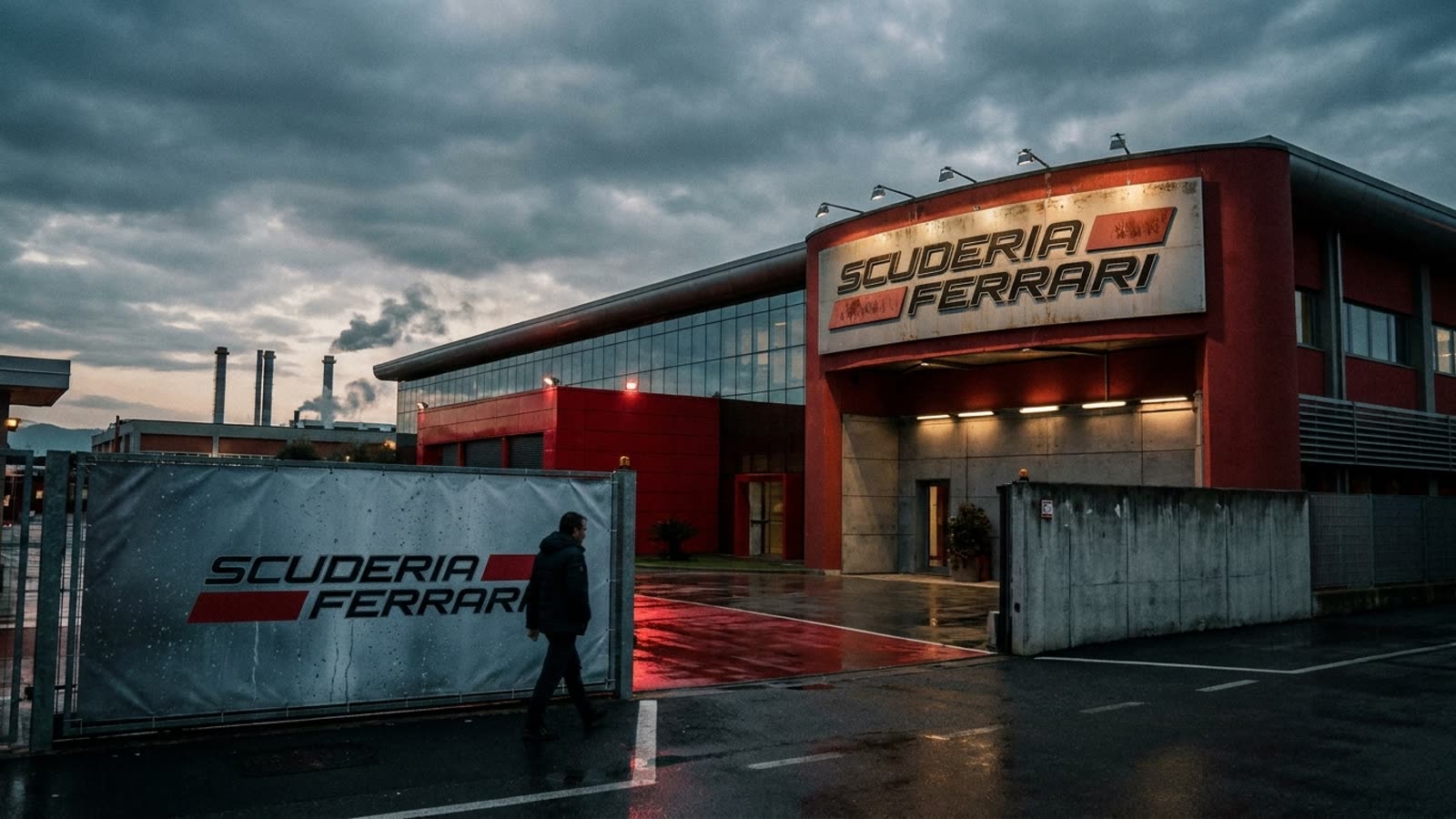
Ferrari has cycled through team principals and technical directors at a pace that would embarrass a Premier League relegation candidate. Each departure is framed as a fresh start; each arrival promises a "new era of collaboration." Yet the pattern persists: talented drivers, competitive machinery, and catastrophic execution. The problem is not personnel—it is culture. Maranello's political ecosystem rewards internal maneuvering over collective success, a dynamic that trickles down from boardroom to garage.
Contrast this with Mercedes in its dominant years or Red Bull under Christian Horner: clear hierarchies, unambiguous number-one drivers when necessary, and pit walls empowered to make unpopular calls. Ferrari, by contrast, treats every strategic decision as a diplomatic summit requiring consensus from stakeholders who fundamentally disagree.
Why this matters beyond the championship
Ferrari is not merely a constructor; it is Formula 1's emotional anchor, the team that casual fans and luxury advertisers associate with the sport's glamour. When Ferrari is competitive, television ratings rise and sponsorship valuations swell. When Ferrari self-destructs on a global broadcast, it diminishes the entire spectacle. The Mexico debacle was watched by an estimated 90 million viewers, many of whom saw not thrilling wheel-to-wheel racing but organizational dysfunction dressed in red.
Kimi Antonelli's coronation as the youngest world champion in history—a storyline that should have dominated headlines—was instead overshadowed by Ferrari's implosion. That is the gravitational pull of Maranello's chaos: it warps the narrative even when someone else is lifting the trophy.
Our take
Ferrari does not need another restructuring memo or a motivational speech from the chairman. It needs something far more difficult: a willingness to subordinate individual egos to collective ambition. Until Maranello accepts that winning championships requires uncomfortable decisions—favoring one driver, empowering one strategist, silencing one faction—it will continue to manufacture spectacular failures. The Prancing Horse has the speed. What it lacks is the discipline to use it.