The Los Angeles Lakers have survived Shaq-Kobe feuds, coaching carousels, and the indignities of the post-Kobe rebuild years. Whether they can survive the Buss family itself is now an open question.
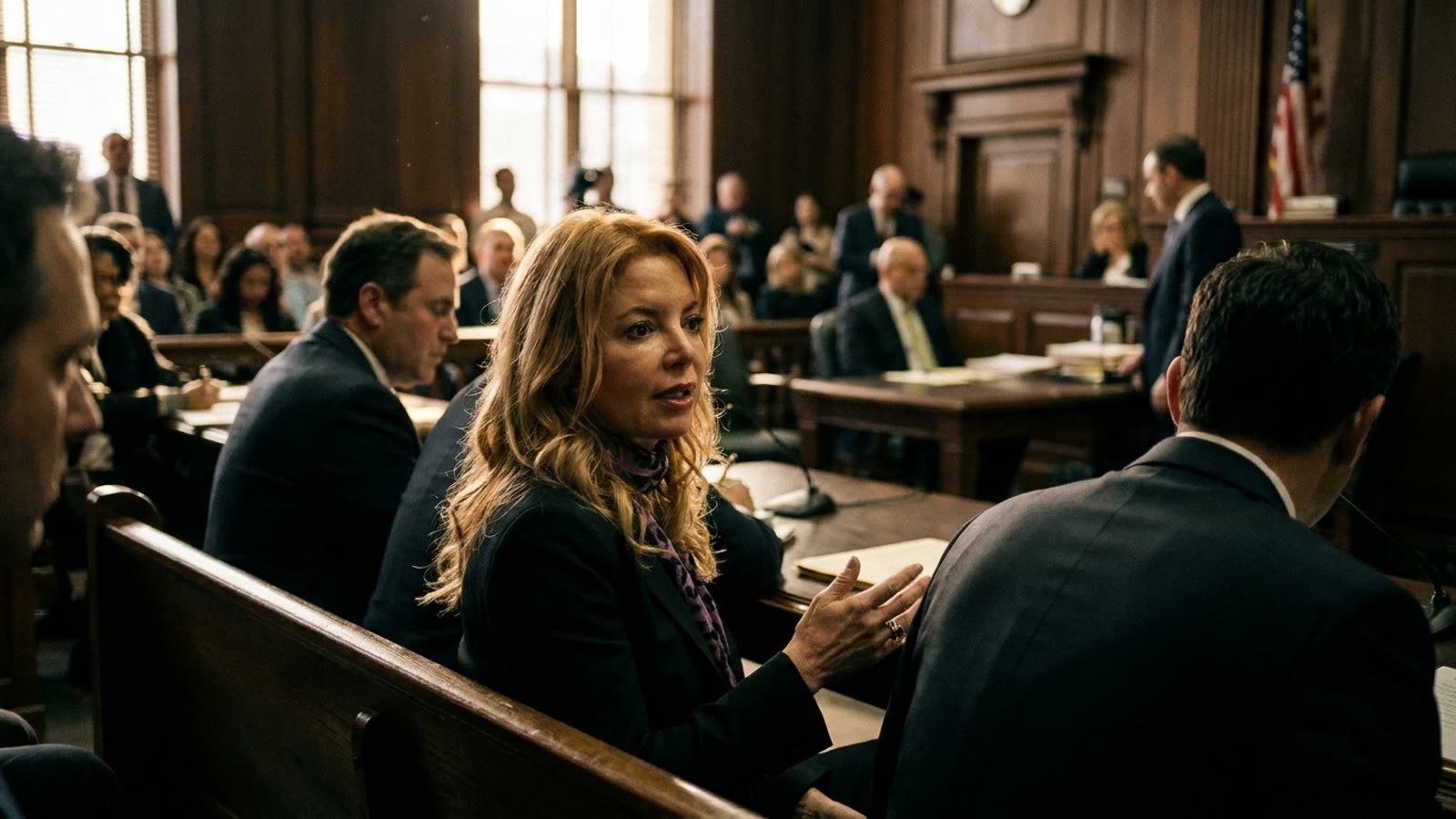
In court filings made public this weekend, controlling owner Jeanie Buss accused her siblings of "cloak and dagger" tactics in their ongoing effort to sell minority stakes in the franchise — a move she claims was orchestrated behind her back and threatens the governance structure their late father, Jerry Buss, carefully constructed. The accusations land amid a dizzying 72-hour sequence in which billionaire Mark Walter quietly flipped Lakers shares he had only just acquired, reigniting a sibling war that has simmered for over a decade.
A $5 billion inheritance, six heirs, one throne
When Jerry Buss died in 2013, he left the Lakers — then valued at roughly $1 billion — to his six children, with Jeanie installed as controlling owner and president. The arrangement was meant to preserve family unity while ensuring professional stewardship. It has accomplished neither.
The current dispute centers on whether minority-owning siblings can sell their shares without Jeanie's approval and, more fundamentally, whether such sales dilute her authority over franchise decisions. The Walter transaction, executed in secret negotiations over a single weekend, reportedly valued the Lakers at approximately $5 billion — a figure that makes the stakes both financial and existential. Siblings who feel locked out of meaningful influence now have powerful incentive to cash out; Jeanie, who built her identity around the franchise, has every reason to block them.
The governance question nobody wants to answer
What makes the Lakers saga more than tabloid fodder is its implications for professional sports ownership structures. The NBA has historically tolerated — even encouraged — family dynasties, viewing them as stabilizing forces compared to the churn of private equity or sovereign wealth. But family ownership only works when the family agrees on what ownership means.
The Buss siblings do not agree. Court documents suggest competing visions of the Lakers as either a legacy institution to be preserved or a liquid asset to be monetized. Neither position is unreasonable; the tension between them may be irresolvable. Commissioner Adam Silver has so far declined to intervene, but the league's ownership committee will eventually have to decide whether a franchise this valuable can function with principals who communicate primarily through attorneys.
The team, meanwhile, plays basketball
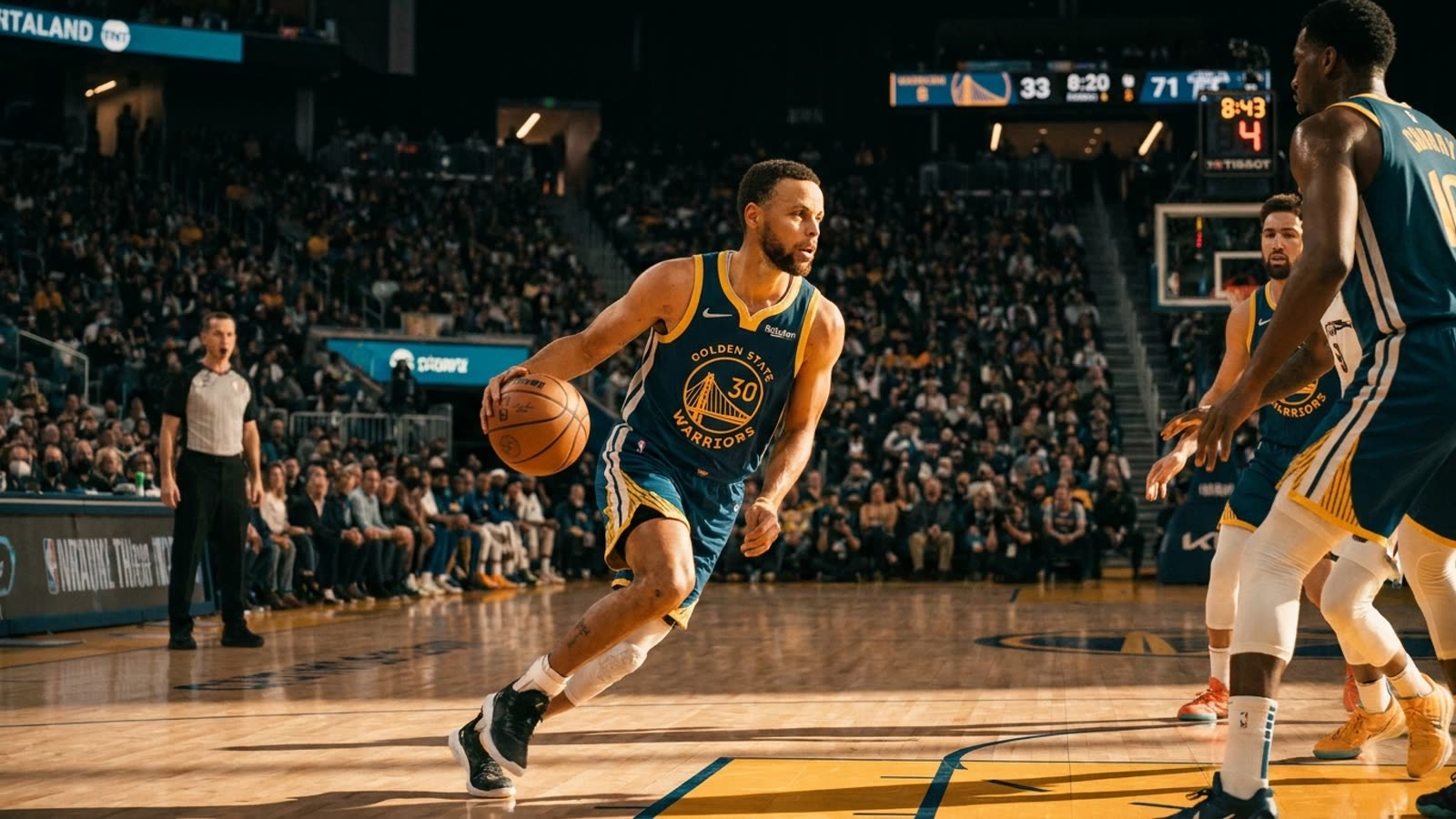
Lost in the family drama is the actual Lakers roster, which dropped a dispiriting game to the Warriors on Sunday night — blown out after Stephen Curry orchestrated a 25-point comeback. The on-court product has been middling for years now, and some around the league quietly wonder whether the ownership chaos has infected basketball operations. Front-office sources describe a culture of paralysis, where major decisions get deferred because nobody is certain who will be signing the checks in eighteen months.
Our take
Jerry Buss was a mathematician and a gambler, a man who understood that dynasties require both structure and flexibility. He built the Showtime Lakers by empowering talent and staying out of the way. His children have inherited the franchise but not the instinct. The saddest part of this saga is not that the Buss siblings are fighting — families fight — but that they are fighting in public, in court, while wearing the purple and gold like a costume rather than a responsibility. The Lakers will survive this, because $5 billion franchises always do. Whether they will matter again is a different question.