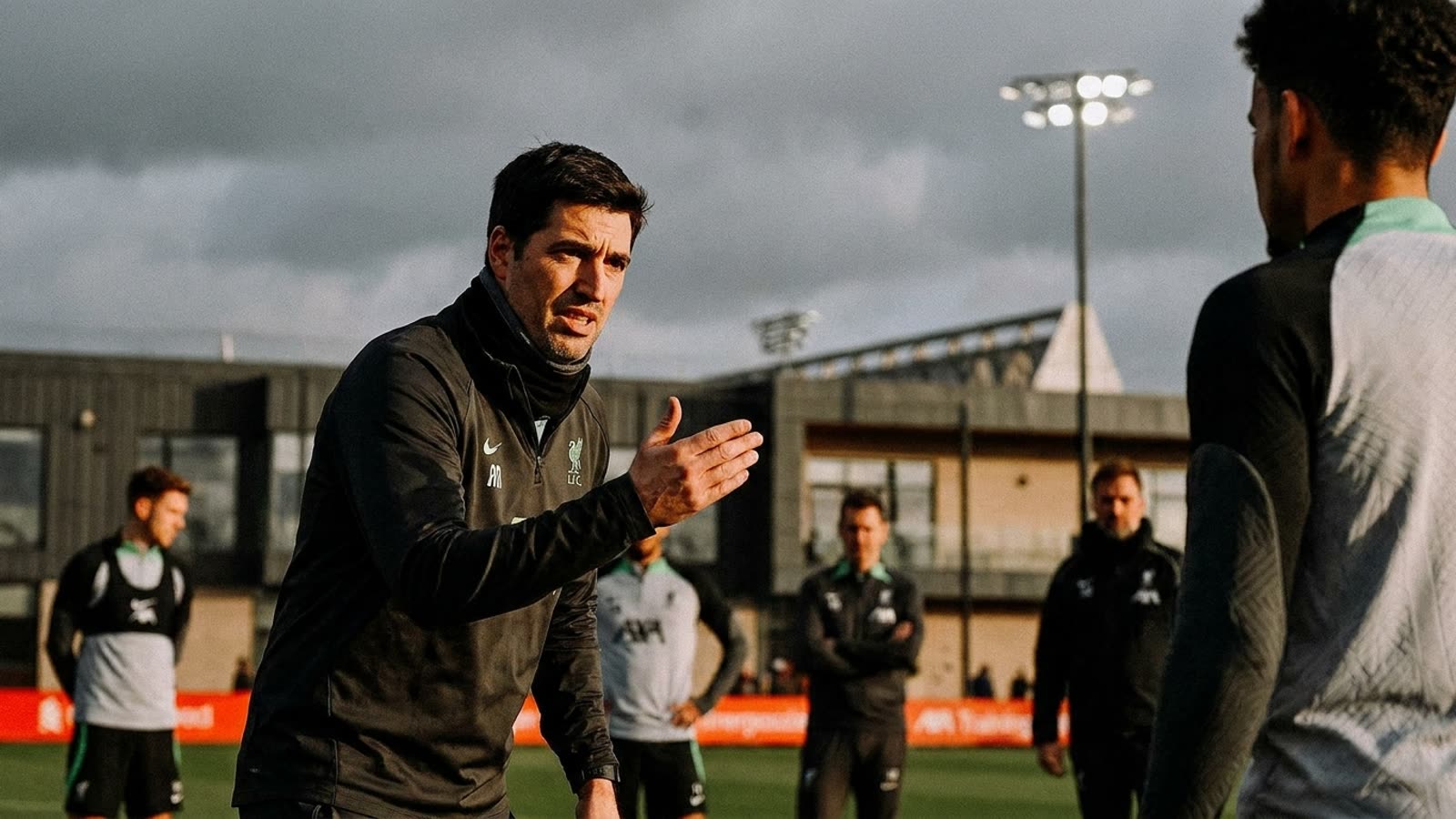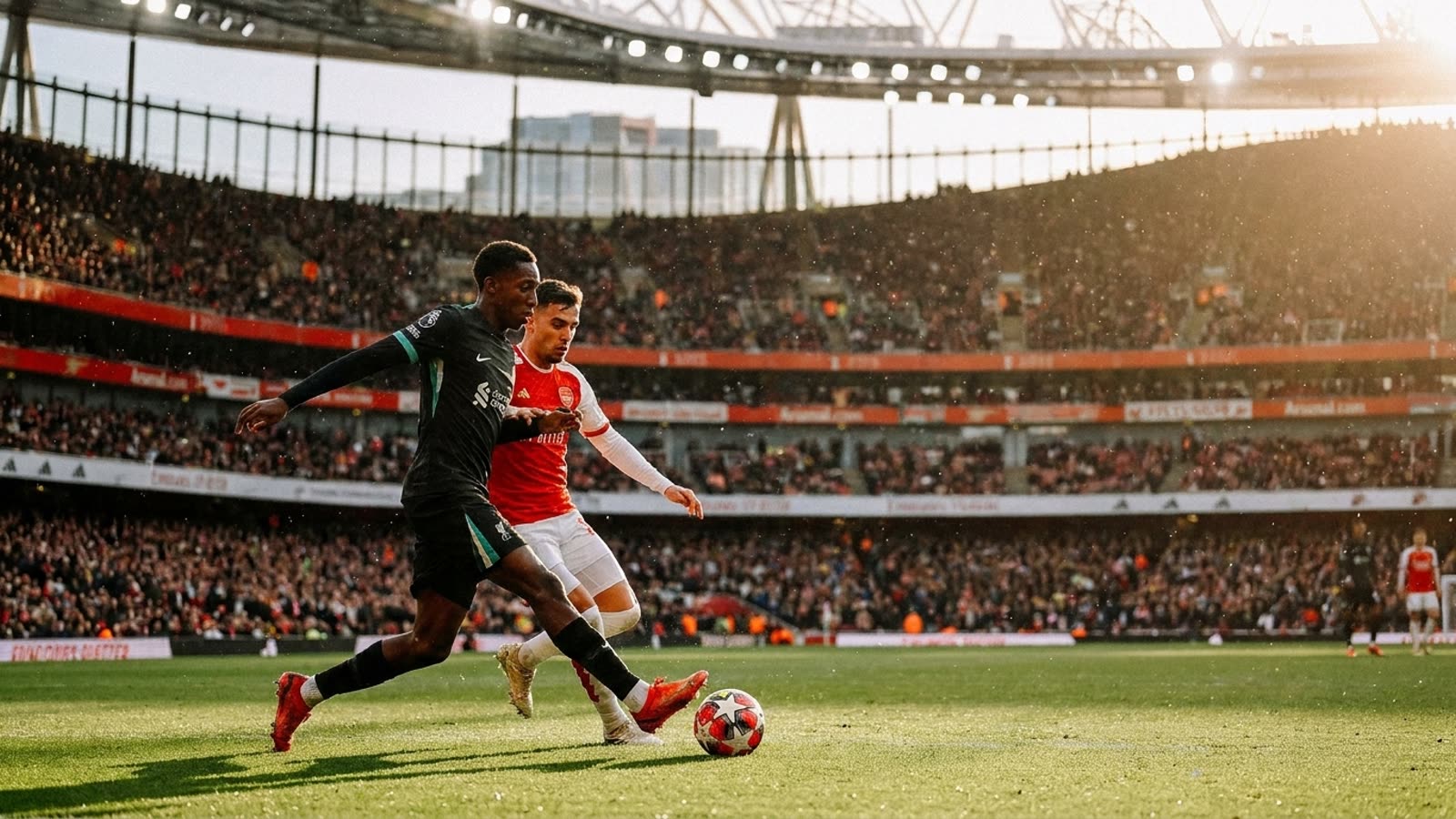
Arne Slot has never been accused of sentimentality. So when the Liverpool manager named Trey Nyoni in his starting eleven for Sunday's visit of Arsenal—the match that could define the Premier League's top-of-the-table trajectory—the decision carried weight beyond mere squad rotation. At 17 years and 214 days, Nyoni became the youngest midfielder to start a Liverpool league match since a certain Steven Gerrard in 1999. The comparison is premature, of course. But Slot would not have invited it unless he believed the Zimbabwean-born academy product could handle the scrutiny.
The context matters. Liverpool entered the weekend level on points with Arsenal at the summit, with Manchester City lurking two points behind. A defeat would hand Mikel Arteta's side a psychological edge heading into the November international break. A win would reassert Anfield's status as the fortress that derailed Arsenal's title charge two seasons ago. This was not the fixture for experimentation—unless Slot sees Nyoni as something more than an experiment.
The case for starting Nyoni
Slot's reasoning appears twofold. First, Liverpool's midfield depth has been tested by a congested autumn schedule. Alexis Mac Allister picked up a knock in the Carabao Cup, and Dominik Szoboszlai has looked leggy in recent outings. Nyoni, by contrast, has been electric in under-21 fixtures and impressed during substitute cameos against lower-table opposition. His press resistance and progressive passing—traits Slot prizes above almost everything—have drawn internal comparisons to a young Thiago Alcântara.
Second, and more cynically, Arsenal's high line and aggressive midfield press create space for a player who thrives in transition. Nyoni's ability to receive under pressure and release quickly suits the counter-attacking blueprint Slot has deployed against elite opposition. If Liverpool absorb Arsenal's early intensity and break with pace, Nyoni could be the fulcrum.
Arsenal's response
Arteta made his own statement by recalling Christos Tzolis to the starting lineup after a hamstring layoff. The Greek winger's direct running and willingness to shoot from distance gives Arsenal an alternative to their patient build-up play. More significantly, Arteta's selection suggests he anticipated Liverpool sitting deeper than usual—a tacit acknowledgment that Anfield's acoustics and Slot's tactical pragmatism would dictate the match's rhythm.
The broader narrative is familiar: two clubs who have traded title near-misses and now find themselves as the likeliest challengers to Manchester City's hegemony. Arsenal's September stumble—a draw at Bournemouth, a home defeat to Aston Villa—opened the door for Liverpool's relentless consistency. But Arteta's side have won five straight, and their expected-goals differential is the best in the division. This is not the Arsenal that wilted under pressure in 2024.
Our take
Slot's gamble is defensible precisely because it is not a gamble at all. Nyoni's inclusion reflects a manager who trusts his scouting, his coaching staff, and his own ability to shelter a teenager within a system designed to share defensive burdens. If Nyoni struggles, Slot will absorb the criticism and point to the long-term project. If he excels, Liverpool will have announced the arrival of a generational talent on the grandest possible stage. Either way, the decision tells us more about Slot's self-assurance than about Nyoni's readiness. And in a title race defined by margins, that confidence may prove decisive.