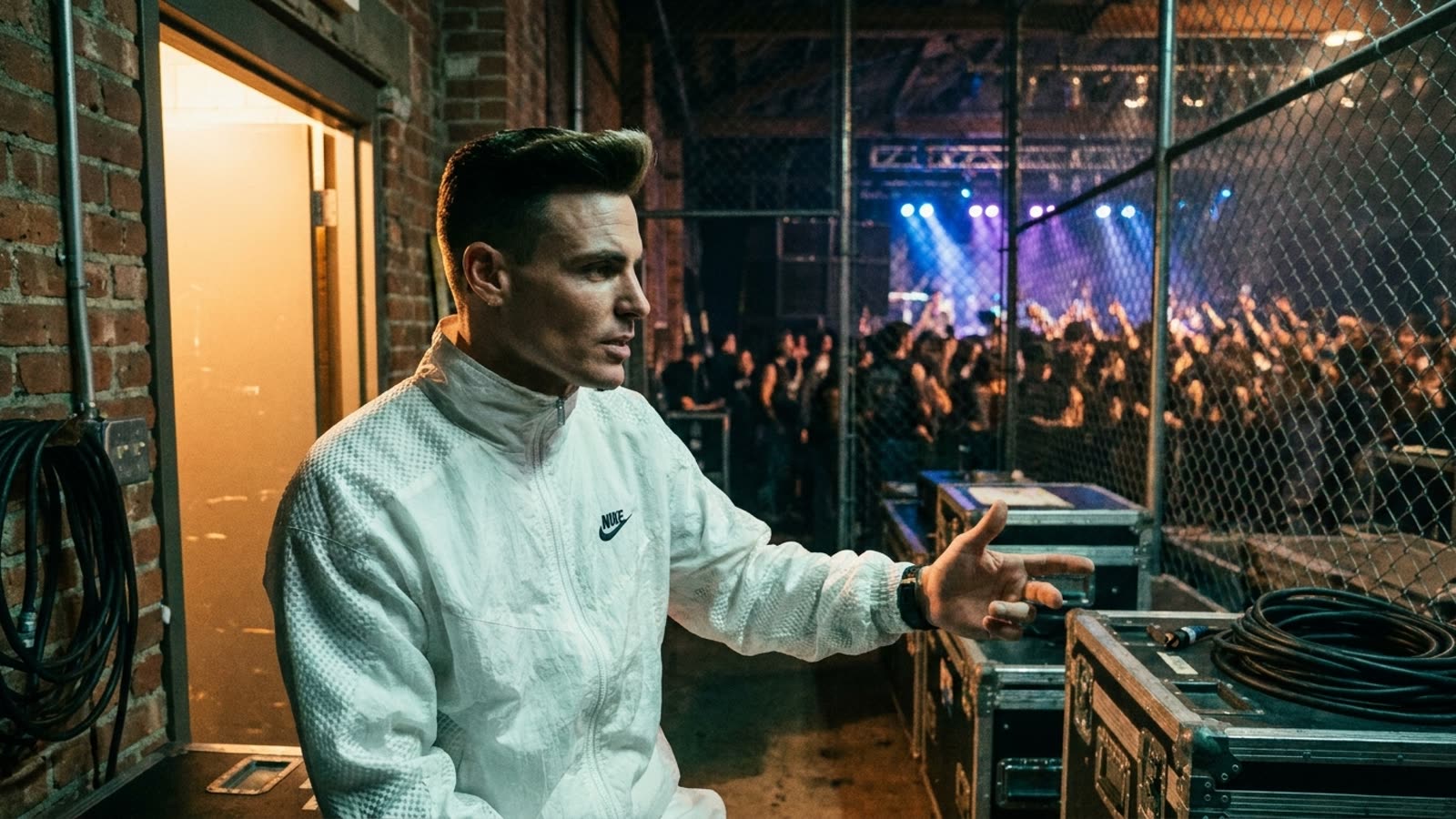
When Vanilla Ice told cameras this week that he'd happily perform for Biden, Putin, or anyone else willing to book him, he wasn't being provocative—he was being honest about the economics of nostalgia.
The statement came amid the ongoing fallout from the Freedom 250 celebration, where several performers withdrew over political optics. Vanilla Ice, whose "Ice Ice Baby" remains one of the most recognizable hooks in pop history, has taken the opposite approach: show up, cash the check, and let the audience sort out their own feelings.
The survival strategy of the legacy act
For artists whose commercial peak arrived decades ago, the touring circuit operates on different rules than it does for contemporary stars. There are no streaming royalties substantial enough to matter, no brand partnerships requiring careful political calibration, no record label anxiously monitoring social sentiment. What remains is the live show—county fairs, corporate events, casino ballrooms, and yes, politically charged celebrations.
Vanilla Ice has been working this circuit for over three decades now, long enough to understand that his audience isn't coming for his worldview. They're coming for a three-minute dopamine hit of 1990, and they'll take it regardless of who's sponsoring the stage.
The neutrality premium
There's a growing market for entertainers willing to be apolitical at a time when most public figures feel compelled to stake positions. Kid Rock and Ted Nugent have carved out explicitly right-wing performance identities; Bruce Springsteen and Barbra Streisand occupy the opposite pole. But the middle—performers who'll work any room without editorial comment—has become surprisingly valuable.
This isn't cowardice; it's market positioning. A Vanilla Ice show at a Republican fundraiser doesn't preclude a Vanilla Ice show at a Democratic donor's birthday party. The brand is the song, not the singer's politics.
Our take
Vanilla Ice's shrug is the most commercially rational response to an era that demands constant ideological performance. He's selling memories, not manifestos, and he's correctly identified that his audience—middle-aged Americans who remember exactly where they were when "Ice Ice Baby" first dropped—mostly wants permission to feel young again without a lecture attached. In a culture that's exhausted by everything being political, there's real money in being nothing at all.