The forest doesn't care about your Coachella wristband.
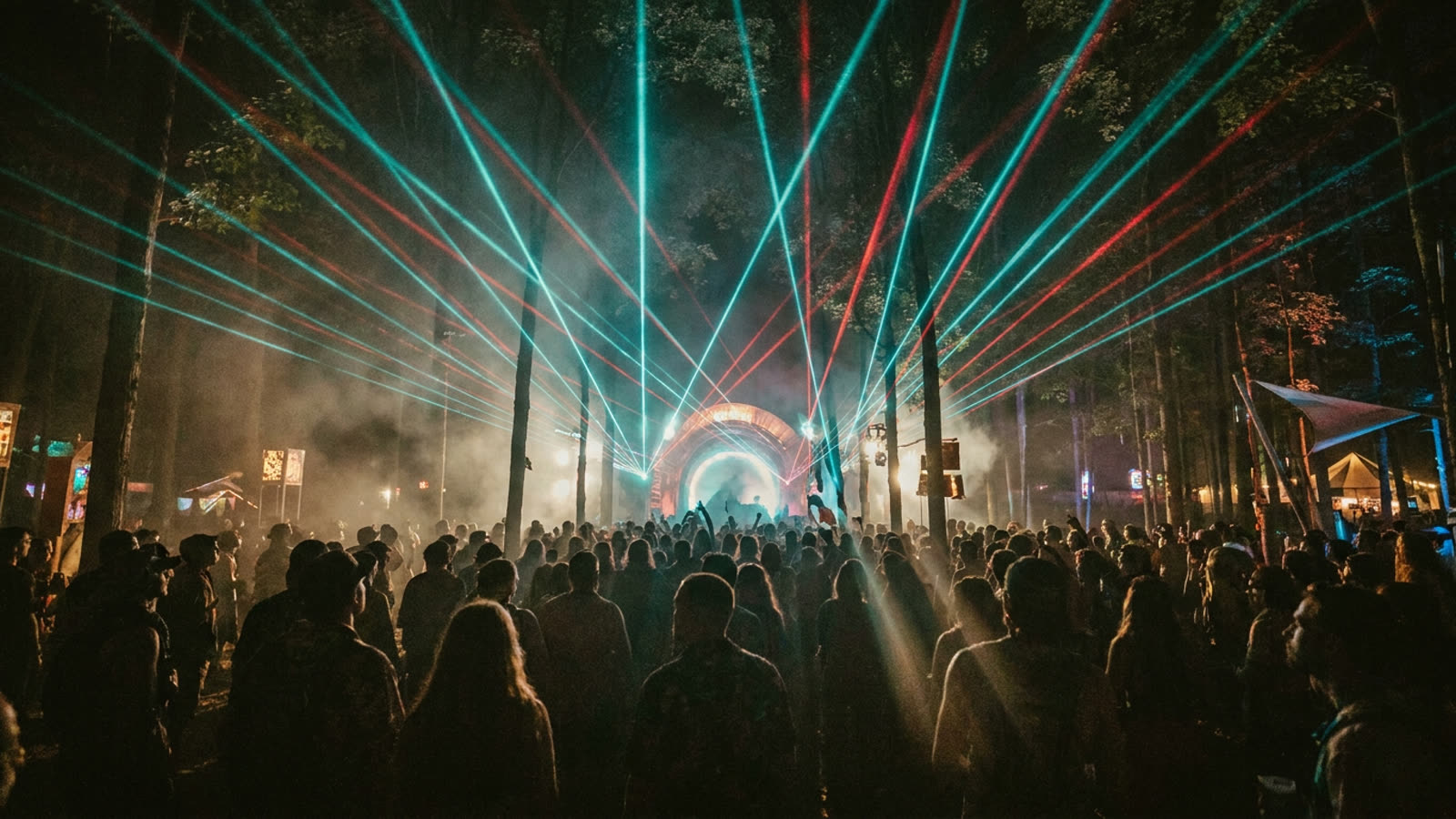
That's been the quiet thesis of Electric Forest since it planted roots in Rothbury, Michigan, back in 2011, and thirteen editions later, the festival has become something rare in American live music: a mid-sized event that neither collapsed under its own ambition nor sold its soul to private equity. This weekend's gathering in the Sherwood Forest—yes, they actually call it that—draws roughly 45,000 attendees to a patch of woodland four hours from Chicago, which is precisely the point. You have to want it.
The anti-scale playbook
While competitors chased stadium-sized audiences and billion-dollar valuations, Electric Forest capped capacity and leaned into production design that rewards wandering. The illuminated trees, interactive art installations, and labyrinthine pathways create an environment where stumbling upon a secret DJ set matters more than securing a spot for the headliner. It's a model borrowed from Burning Man's ethos but executed with Midwestern pragmatism—porta-potties that actually get serviced, cell reception that mostly works, and a security posture that treats attendees like adults rather than potential liabilities.
The lineup philosophy mirrors this restraint. Rather than bidding wars for exclusive headliners, the festival books deep across electronic subgenres—house, bass music, jam-band crossovers—and lets the forest itself function as the main attraction. Repeat visitors, who make up a substantial portion of the crowd, return for the container as much as the contents.
Why it survived when others didn't
The EDM festival market that exploded in the early 2010s has since contracted violently. TomorrowWorld collapsed after a single muddy disaster. Electric Zoo faced years of regulatory scrutiny. Even Insomniac's flagship EDC has had to reinvent itself repeatedly. Electric Forest's durability stems partly from geography—Michigan authorities have proven more cooperative than Nevada or New York regulators—but mostly from a business model that prioritizes sustainability over growth. Madison House Presents, the boutique promoter behind the event, never attempted to franchise the concept or spin off international editions.
There's also the loyalty program, which borders on cultish. Multi-year attendees earn priority access to tickets and camping upgrades, creating a self-selecting community that polices its own norms. The result is a crowd that skews slightly older and considerably more invested than the average festival demographic.
Our take
Electric Forest isn't the biggest or the buzziest, and that's exactly why it works. In an industry addicted to scale, the festival proves there's a viable path for events that choose depth over breadth. Thirteen years in, the trees are still glowing, the weirdos are still showing up, and the accountants haven't ruined it yet. That's rarer than any headliner.