The Philadelphia 76ers have spent the better part of a decade constructing rosters around Joel Embiid's singular brilliance, enduring the Process years, the botched trades, the perpetual injury anxiety, all in service of a championship that remains stubbornly out of reach. On Friday night at Madison Square Garden, with Embiid finally returning from his latest absence, the 76ers received the cruelest possible answer to the question of whether their franchise cornerstone could salvage another postseason: it doesn't matter.
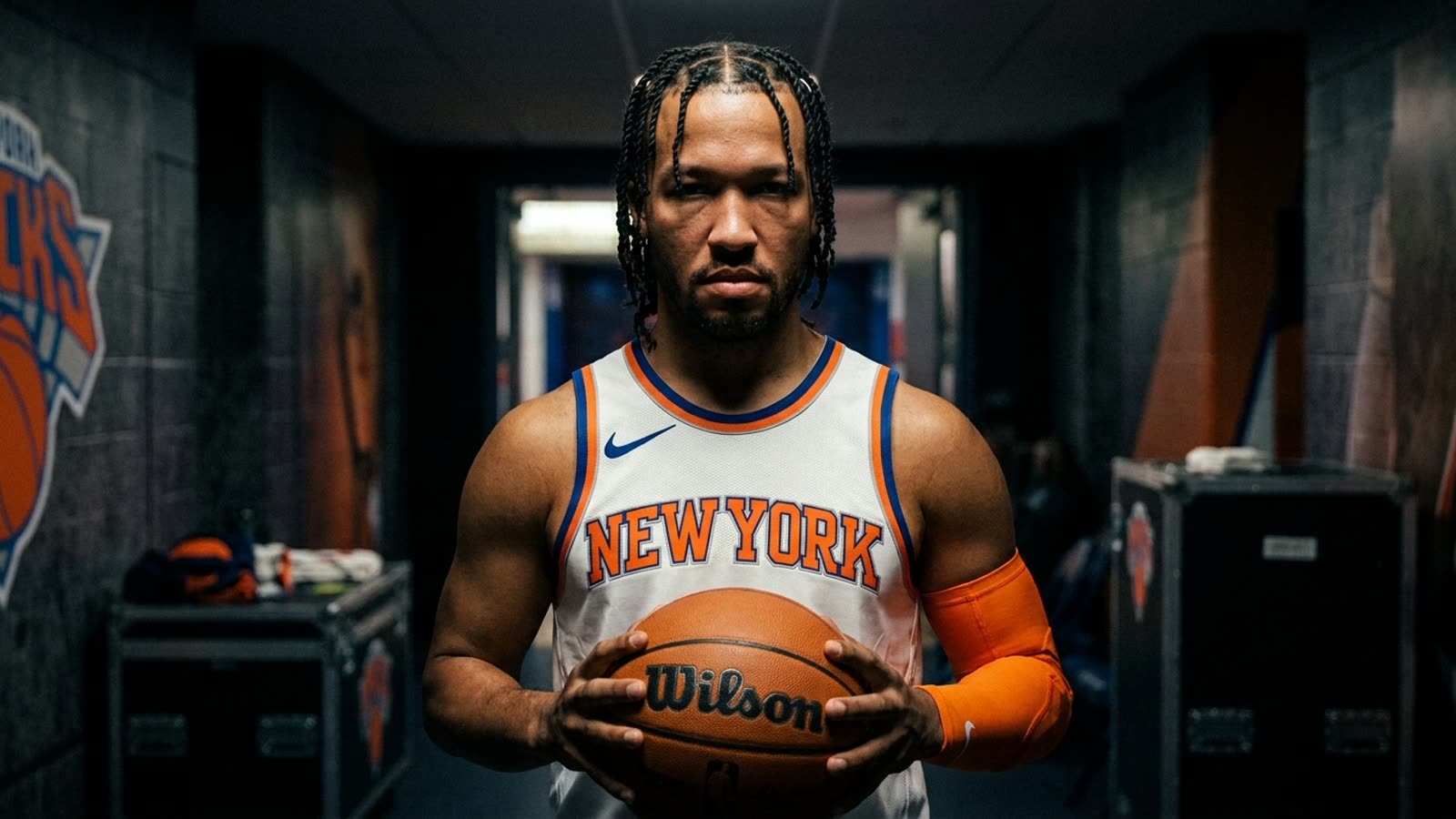
Jalen Brunson scored 33 points, including a series of dagger buckets in the final minutes, as the New York Knicks defeated Philadelphia to take a commanding 3-0 lead in the Eastern Conference semifinals. No team in NBA history has recovered from such a deficit. The 76ers, for all practical purposes, are finished.
The Embiid paradox
Embiid's return was supposed to inject life into a series that had slipped away in his absence. Instead, it illuminated the structural problems that no single player—not even a former MVP—can solve. Philadelphia's supporting cast looked tentative, their defensive rotations a half-step slow, their offensive sets devolving into isolation ball whenever pressure mounted. Embiid put up numbers, because Embiid always puts up numbers, but the Knicks schemed around him with the confidence of a team that had already solved the puzzle.
The broader issue is durability, or the lack of it. Embiid has now missed significant playoff time in multiple seasons, and the 76ers have built no redundancy into their system. When he's absent, they're mediocre. When he returns cold, they're disjointed. The championship window that Philadelphia's front office keeps insisting is open looks increasingly like a painted-on facade.
Brunson's quiet coronation
Meanwhile, Brunson continues his transformation from Luka Dončić's sidekick into the most dangerous playoff guard in the East. His game lacks the viral athleticism of a Ja Morant or the statistical absurdity of a prime James Harden, but he possesses something rarer: an unerring sense of when to strike. His late-game buckets on Friday weren't lucky heaves or desperate improvisations. They were surgical executions, the product of a player who has studied defenses until he sees their weaknesses before they do.
The Knicks, written off as a fun but limited team when they traded for Brunson, now sit one win from the Eastern Conference Finals. Their depth, their defensive versatility, their collective composure under pressure—all of it flows from Brunson's steadying presence.
What Philadelphia does next
The 76ers face an offseason of brutal decisions. Embiid is under contract but perpetually injured. Tyrese Maxey is a genuine star but may not be enough as a second option. The roster around them is a collection of role players who excel in regular-season comfort but wilt under playoff scrutiny. Daryl Morey, the architect of Houston's own championship-that-never-was, must now decide whether to double down on the Embiid era or begin the painful process of reimagining the franchise's future.
History suggests he'll swing for the fences again—another blockbuster trade, another star acquisition, another roll of the dice. But at some point, the 76ers must reckon with a harder truth: their championship window may have closed while they were still measuring the curtains.
Our take
Philadelphia's problem isn't talent; it's timing. They built a team around a generational center in an era that punishes immobility, committed to a star whose body refuses to cooperate with his ambition, and now find themselves outclassed by a Knicks team that simply wants it more. Brunson isn't better than Embiid in a vacuum. But he's available, he's clutch, and he's leading a team that plays like it believes. That's the difference between watching the conference finals and watching from home.