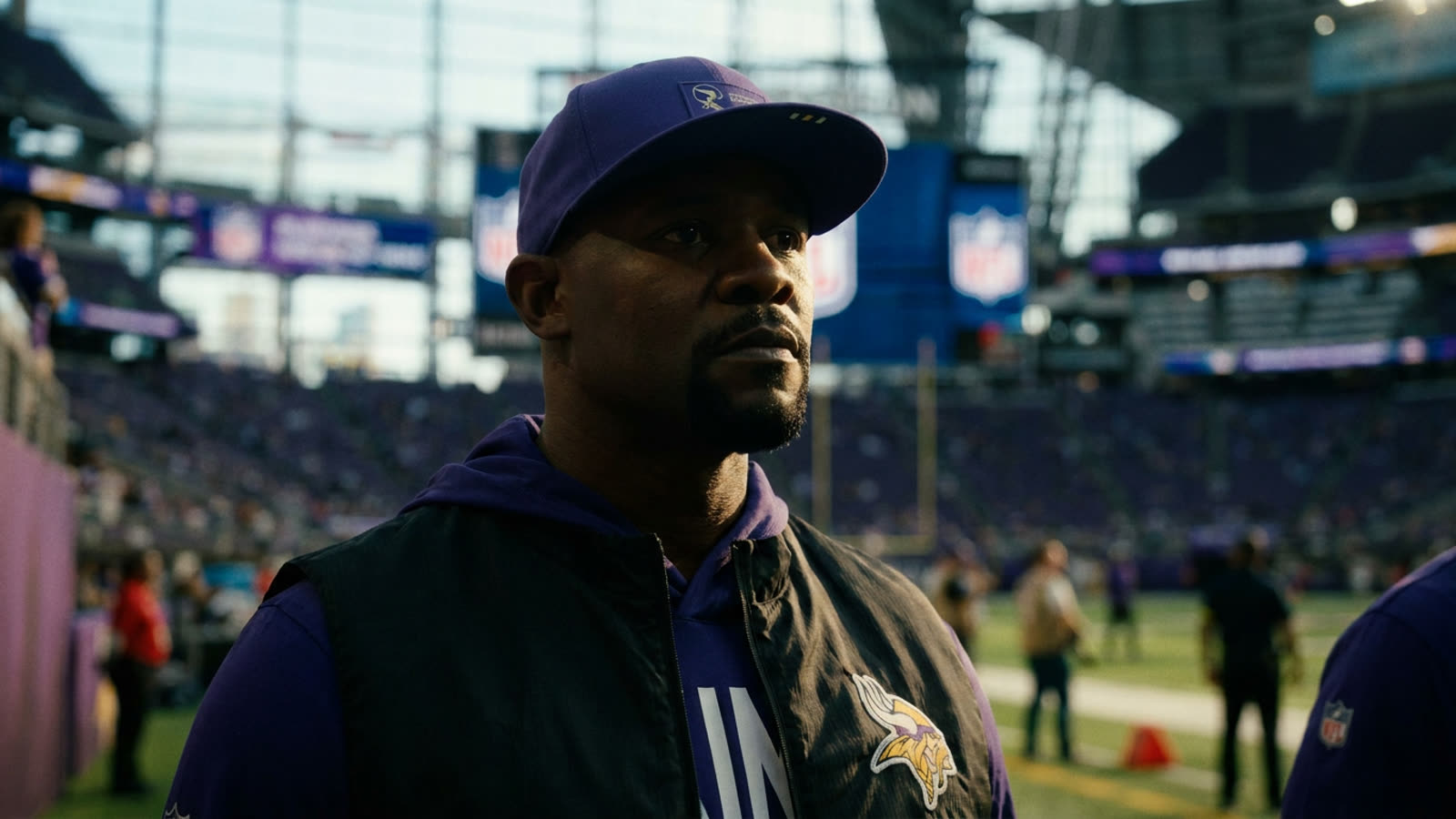
Brian Flores is no longer content to let his discrimination lawsuit simmer in legal purgatory. According to new court filings, lawyers for the former Miami Dolphins head coach have issued subpoenas to 25 of the NFL's 32 franchises, demanding documents and communications related to their hiring practices for head coaches and general managers. This is not a fishing expedition—it is a dragnet.
The move represents a significant escalation in a case that has already forced the league into uncomfortable territory. Flores first filed suit in February 2022, alleging that the NFL and several teams discriminated against him and other Black coaches. The complaint included explosive claims: that the New York Giants conducted a sham interview with him after already deciding to hire Brian Daboll, and that Dolphins owner Stephen Ross offered him $100,000 per loss to tank the 2019 season. Ross denied the allegations; the Giants called them unfounded. But the lawsuit survived early dismissal attempts, and now Flores's legal team is going wide.
The scope is the message
Subpoenaing 25 teams is a statement of intent. Flores's attorneys are not merely building a case about his individual treatment—they are constructing an argument about systemic failure. The Rooney Rule, implemented in 2003 to require teams to interview minority candidates for head coaching and senior football operations positions, has been the NFL's primary defense against accusations of discriminatory hiring. But the rule has produced underwhelming results: as of the 2025 season, only a handful of the league's 32 head coaches were Black, despite Black players comprising roughly 70 percent of NFL rosters.
The subpoenas will likely seek internal communications, interview notes, candidate evaluation criteria, and decision-making timelines. If teams were conducting interviews merely to satisfy Rooney Rule requirements—what critics call "check-the-box" compliance—those documents could prove damaging. Discovery in employment discrimination cases often reveals more than defendants anticipate.
The league's exposure
The NFL has historically settled discrimination claims quietly, preferring to avoid the spectacle of courtroom testimony from owners and executives. But Flores has shown no interest in a quiet resolution. His willingness to name names and provide specific allegations suggests he is prepared for a trial, and his legal team's broad subpoena strategy indicates they believe the evidence exists across the league, not just in Miami or New York.
For the seven teams not subpoenaed, the omission itself may become a talking point. Were they excluded because their hiring practices are demonstrably clean, or simply because Flores's case does not require their documents? The league office, which was also named in the original lawsuit, will be watching how individual franchises respond to discovery requests—and whether any attempt to coordinate responses could itself become a legal issue.
Our take
Flores bet his coaching career on this lawsuit, and he is playing it like a man who believes he has the goods. The NFL's hiring problem is not a secret; it is a documented, decades-long pattern that the Rooney Rule was supposed to address but has not. What Flores is now demanding is the paper trail that shows how decisions actually get made when the doors are closed. If those documents reveal what many suspect—that minority candidates are often interviewed for appearances rather than genuine consideration—the league will face pressure that no policy tweak can deflect. The NFL has survived scandals before, but it has rarely had to open its filing cabinets to a plaintiff this determined.