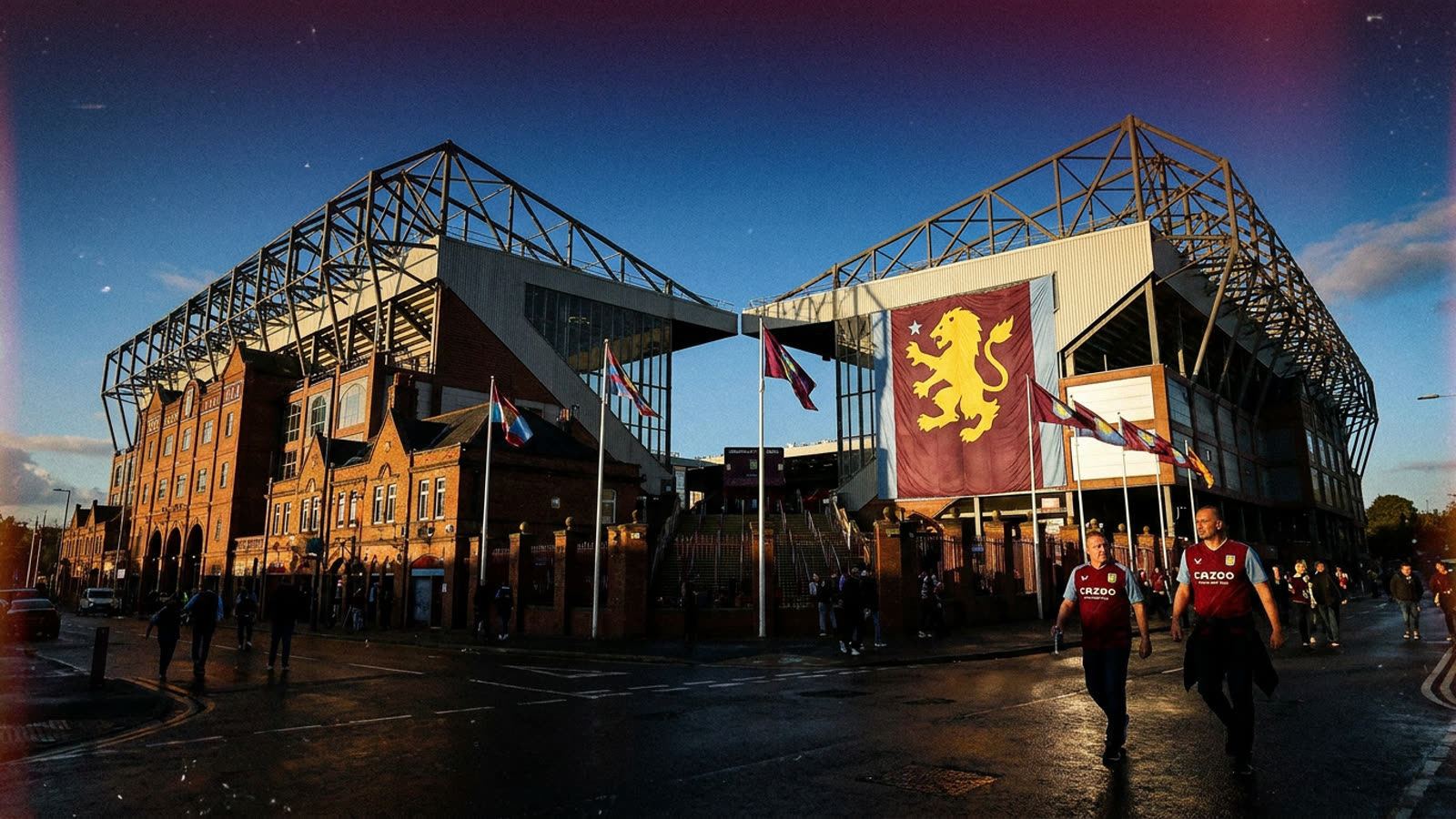
The scoreline flattered Liverpool. For seventy minutes at Villa Park on Friday, Unai Emery's Aston Villa played the kind of controlled, incisive football that Arne Slot's side was supposed to have mastered by now, and the 4-2 final result—secured through goals from Ollie Watkins (two), Morgan Rogers, and a late Jhon Durán strike—confirmed what the table had been whispering for weeks: Villa are a Champions League club again, and Liverpool's status as a permanent resident of Europe's top table is suddenly negotiable.
The implications ripple outward from the Midlands. Villa's qualification, their second in three seasons, cements their transformation from perennial relegation survivors to genuine continental contenders. For Liverpool, the defeat opens an uncomfortable final-week scenario in which results elsewhere could push them into the Europa League—or worse.
The Emery project reaches cruising altitude
When Aston Villa hired Unai Emery in October 2022, the appointment was met with polite skepticism. His Arsenal tenure had ended poorly; his post-Arsenal wanderings through Villarreal, while punctuated by a Europa League trophy, seemed like the curriculum vitae of a solid cup manager, not a top-four architect. Three and a half years later, Emery has built something durable: a squad with depth, tactical flexibility, and a spine of players—Watkins, Rogers, Pau Torres, Emiliano Martínez—who perform in pressure moments. Friday's first half was a masterclass in pressing triggers and verticality. Liverpool's midfield, so dominant in autumn, looked a step slow throughout.
Liverpool's identity crisis
Slot's first season promised evolution from the Klopp era: more possession, more patience, fewer chaotic transitions. The theory has largely worked domestically—Liverpool remain in the title conversation—but the European picture has been muddled by inconsistency against direct rivals. Defeats to Villa, Newcastle, and a draw at Nottingham Forest have left them reliant on other results. Trent Alexander-Arnold's defensive lapses, once offset by his creative genius, are now a recurring theme in post-match inquests. The club's failure to adequately replace Fabinho in midfield continues to haunt them.
Liverpool still control their fate: win their final match and hope for favorable arithmetic. But "hope" is not a word that belongs in the vocabulary of a club with six European Cups.
Our take
This is not a crisis for Liverpool—not yet—but it is a warning. The margins at the top of English football have compressed to the point where one bad month can undo a season's work. Villa's rise is no longer a curiosity; it is a structural shift. Emery has out-recruited, out-coached, and out-planned Liverpool on multiple occasions this season, and Friday's result was the logical conclusion. If Liverpool miss the Champions League, the summer will demand answers that go beyond personnel. The question will be whether Slot's philosophy fits a club that has always thrived on controlled chaos, not choreographed control.