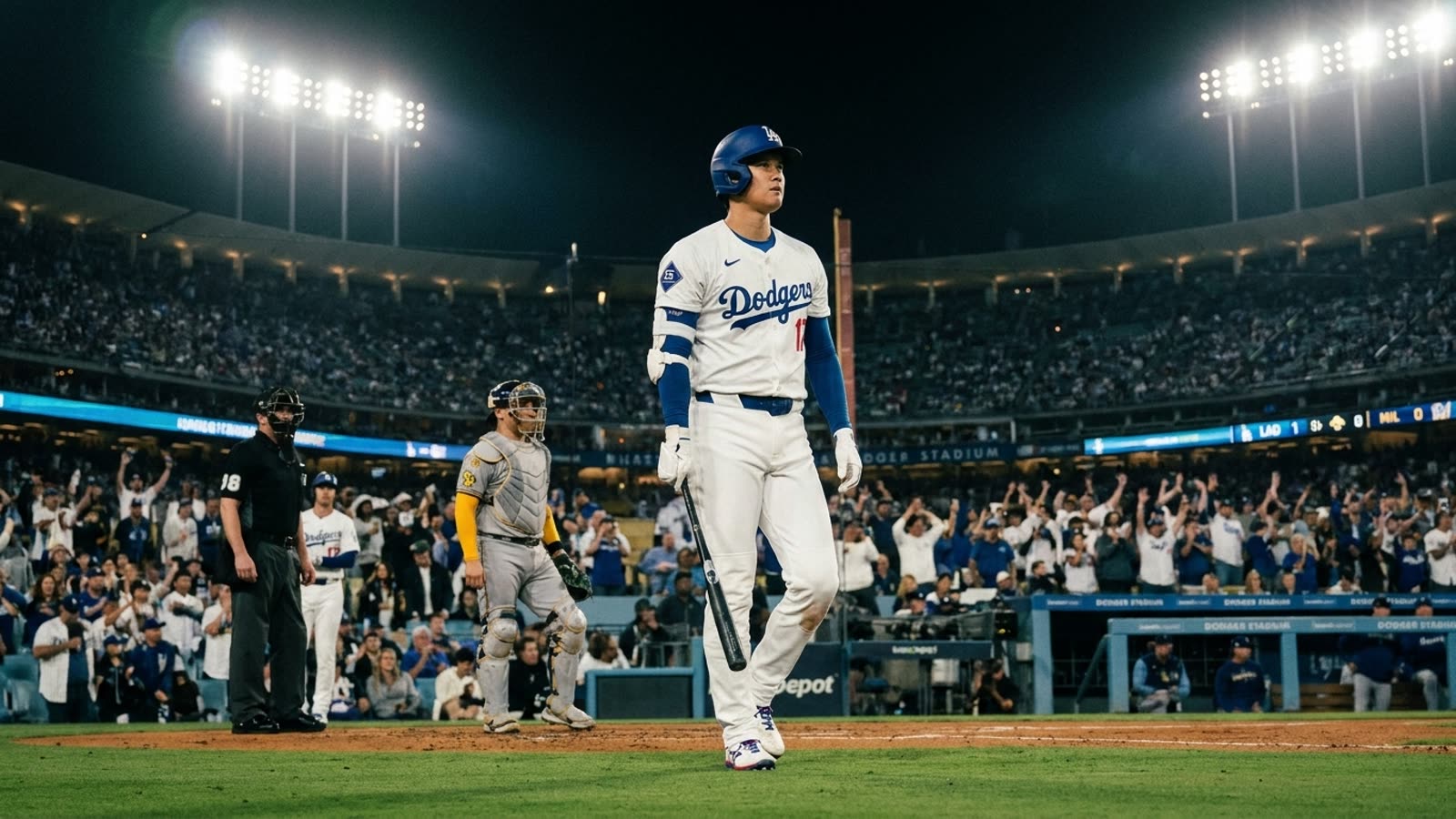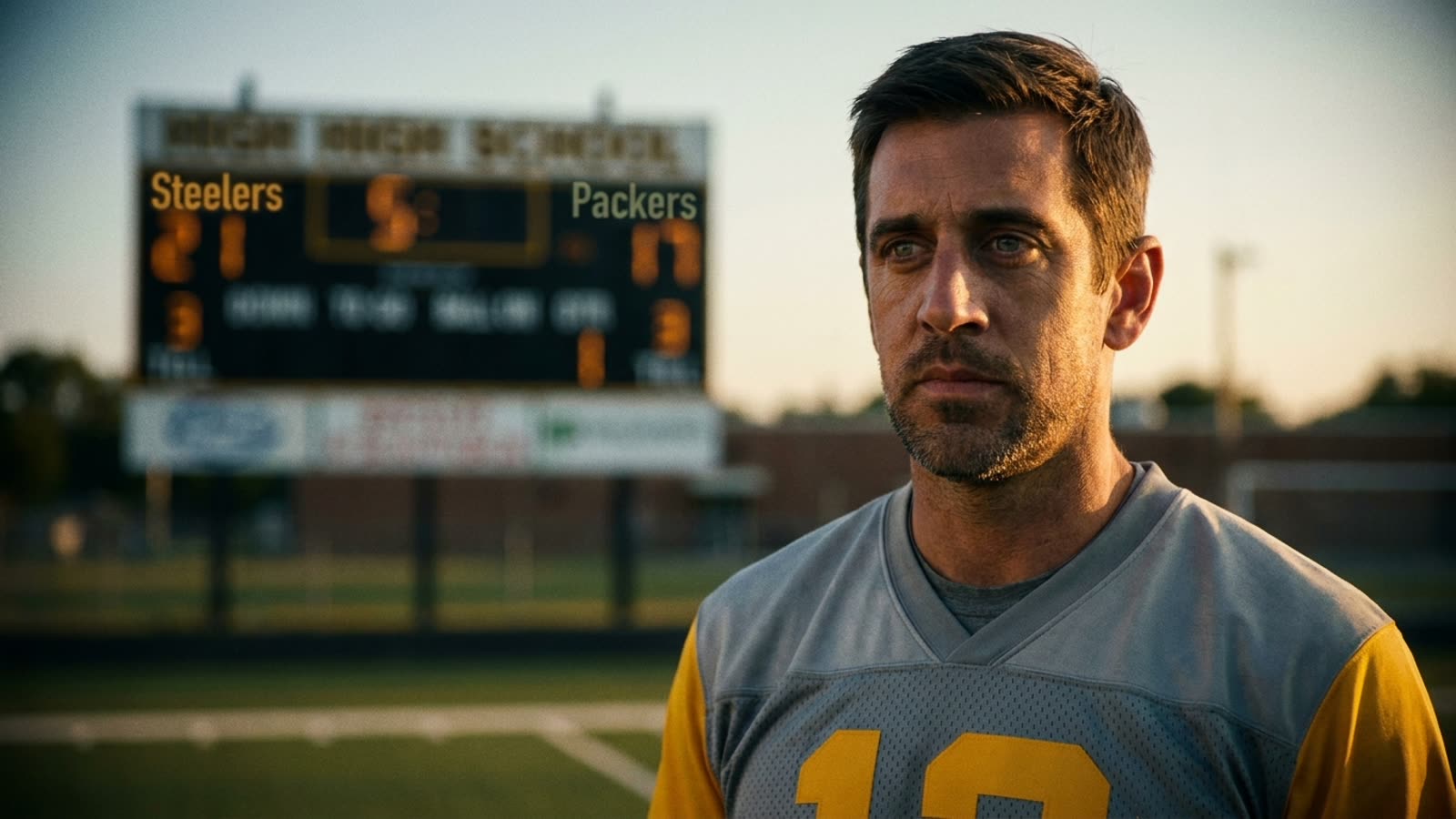
There is a particular kind of American stubbornness that mistakes persistence for virtue, and Aaron Rodgers has made a late-career specialty of embodying it. At 42 years old, having already outlasted his welcome in Green Bay and tested the patience of New York, the four-time MVP has agreed to a one-year deal with the Pittsburgh Steelers—a franchise that has cycled through quarterbacks like a man trying on suits he cannot afford since Ben Roethlisberger retired.
Rodgers will turn 43 in December. Tom Brady won a Super Bowl at that age, which is the only data point that makes this arrangement seem anything other than delusional. But Brady was an outlier's outlier, a man whose entire existence was organized around football longevity in ways that bordered on the monastic. Rodgers, by contrast, has spent his forties discussing ayahuasca ceremonies, feuding with his family in public, and tearing his Achilles tendon four plays into his Jets debut. The trajectories are not comparable.
What Pittsburgh is actually buying
The Steelers are not paying for 2011 Aaron Rodgers. They are paying for credibility, for a quarterback room that young players might take seriously, and for the slim possibility that Rodgers can manage a game well enough to let their defense win a playoff round. Pittsburgh finished last season with a patchwork of Russell Wilson and Kenny Pickett, neither of whom inspired confidence. Rodgers, even diminished, represents an upgrade in processing speed and arm talent—assuming his body cooperates.
The financial terms have not been disclosed, but one-year deals for aging quarterbacks rarely break the bank. Pittsburgh is essentially buying a lottery ticket with decent odds of at least scratching out a wild-card appearance.
The longevity question nobody wants to answer
Rodgers is now the oldest starting quarterback in modern NFL history, depending on how you count George Blanda's hybrid kicker-quarterback role in the 1970s. He joins an increasingly crowded cohort of athletes who refuse to acknowledge the actuarial tables: Brady, Jagr, Vince Carter, Tom Brady again. The difference is that most of those players remained elite or near-elite until the end. Rodgers has not started a full season since 2021.
The NFL has become remarkably accommodating of veteran quarterbacks in their late thirties, but the forties remain largely uncharted territory. Rodgers is conducting an experiment with Pittsburgh's season as the laboratory.
Our take
There is something admirable about refusing to quit, and something faintly pathetic about it too. Rodgers has earned the right to play until his arm falls off, but earning a right and exercising it wisely are different things. Pittsburgh needed a quarterback, and Rodgers needed a team willing to indulge his conviction that he still has something left to prove. Both parties got what they wanted. Whether either got what they needed is a question that will answer itself by January.