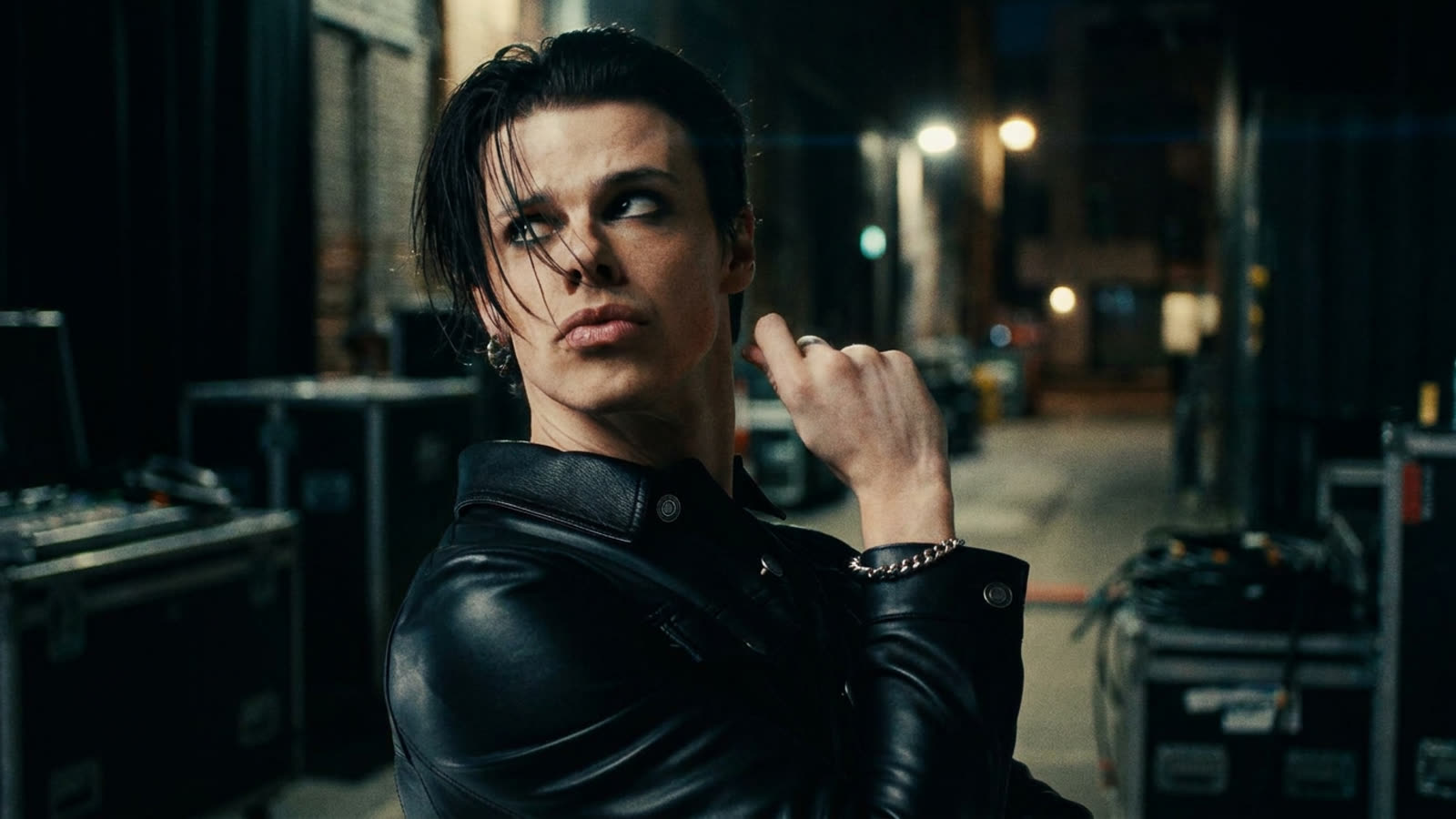
The alternative rock scene has been waiting for its next great rivalry, and the universe may have just delivered one wrapped in nail polish and daddy issues.
YUNGBLUD—born Dominic Harrison, the Doncaster-raised provocateur who built a career on theatrical vulnerability and gender-fluid aesthetics—appears to be positioning himself against Machine Gun Kelly, the Cleveland rapper-turned-rocker whose pivot to pop-punk in 2020 rewrote the rules of genre tourism. The exact nature of their beef remains characteristically vague in the way of modern celebrity feuds: more subtweet than substance, more vibes than verified grievance. But the music industry's gossip circuits are humming with reports of tension between their respective camps, and neither artist has ever been accused of letting a potential headline go unexploited.
Two brands of chaos
On paper, YUNGBLUD and MGK occupy similar territory. Both trade in emotional maximalism. Both have dated famous women (Harrison was linked to Halsey; Kelly's engagement to Megan Fox became a tabloid obsession). Both have positioned themselves as outsiders within an industry that has rewarded them handsomely. But their approaches diverge in telling ways. YUNGBLUD leans into a kind of earnest British theatricality—think The 1975 crossed with a drama-school dropout—while MGK cultivates American excess, all face tattoos and public declarations of drinking each other's blood.
The tension, sources suggest, may stem from competing claims to the pop-punk revival throne. Travis Barker, the Blink-182 drummer who produced MGK's genre-defining "Tickets to My Downfall," has also worked with YUNGBLUD, creating an overlapping professional orbit where egos inevitably collide.
The economics of beef
Modern music feuds rarely happen by accident. In an attention economy where streaming numbers depend on cultural relevance, a well-timed rivalry can be worth millions in free publicity. The Kendrick Lamar–Drake confrontation last year proved that beef moves units. For artists like YUNGBLUD and MGK—both of whom have seen their initial hype cycles mature into something requiring active maintenance—a feud offers narrative renewal.
Whether this particular tension escalates into diss tracks or fizzles into mutual unfollows remains to be seen. Both artists have albums in various stages of development, and the promotional calendar has a way of clarifying motivations.
Our take
There is something almost quaint about rock stars feuding in 2026, when the genre itself has been declared dead so many times it qualifies for a pension. But YUNGBLUD and MGK represent something real: a generation of artists who understand that authenticity is a performance and that the line between genuine animosity and strategic theater is not only blurry but irrelevant. If they give us a good song out of it, we will not ask too many questions about the sincerity of their hatred.