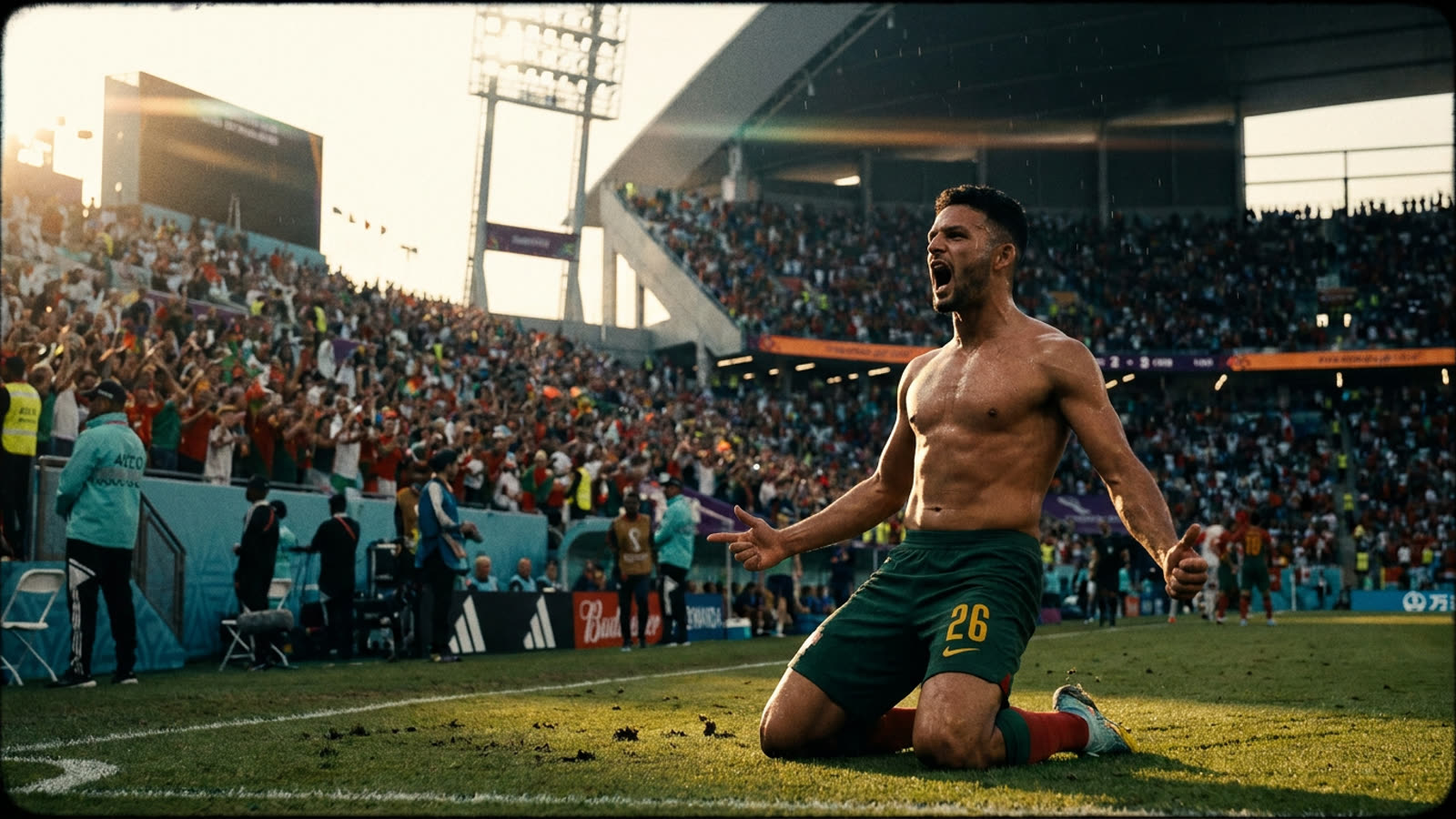
For decades, American soccer enthusiasts have been promised that their moment was coming — that the beautiful game would eventually capture the national imagination the way it dominates attention everywhere else on Earth. On Wednesday night, that promise finally looked less like wishful thinking and more like observable fact.
The United States' knockout-stage victory in the 2026 World Cup drew the largest domestic television audience for a soccer match in American history, shattering previous records and delivering the kind of ratings that demand attention from network executives and advertisers alike. The numbers represent not merely a spike in curiosity but something closer to a genuine cultural shift.
The context that made this possible
Host-nation advantage cannot be overstated. When the World Cup last visited American soil in 1994, it planted seeds that took three decades to germinate. Youth soccer participation exploded, Major League Soccer launched two years later, and a generation grew up with at least passing familiarity with the sport. Those children are now adults with disposable income and cable subscriptions — or streaming passwords, as the case may be.
The 2026 tournament, spread across the United States, Mexico, and Canada, placed marquee matches in American primetime rather than forcing fans to wake at dawn for European kickoffs. Geography, it turns out, matters enormously for building audiences.
What the numbers actually mean
Ratings records are nice for press releases, but the downstream implications extend further. Broadcasters paid enormous sums for World Cup rights based on projections that American soccer viewership would continue its upward trajectory. Those bets are now looking prescient rather than optimistic. Sponsors who attached themselves to the tournament are seeing returns that justify their investments.
More importantly for the sport's long-term health in America, these numbers give MLS and the National Women's Soccer League leverage in their next rounds of media negotiations. A rising tide, and all that.
The asterisk worth noting
Home-soil World Cups are singular events. The 2026 tournament will not repeat for decades, and whether American interest sustains once the circus leaves town remains genuinely uncertain. The 1994 World Cup also drew massive audiences, yet the sport spent the subsequent quarter-century as a niche concern for most Americans. History suggests caution about extrapolating too confidently from tournament peaks.
Our take
The skeptics have been wrong so many times about American soccer that their credibility is exhausted, but they have also been right often enough to warrant humility. What Wednesday's ratings demonstrate is not that soccer has conquered America but that it has earned a seat at the table. The sport no longer needs to beg for attention; it can now compete for it on relatively equal footing with established American leagues. That is a meaningful achievement, even if the revolution remains incomplete.