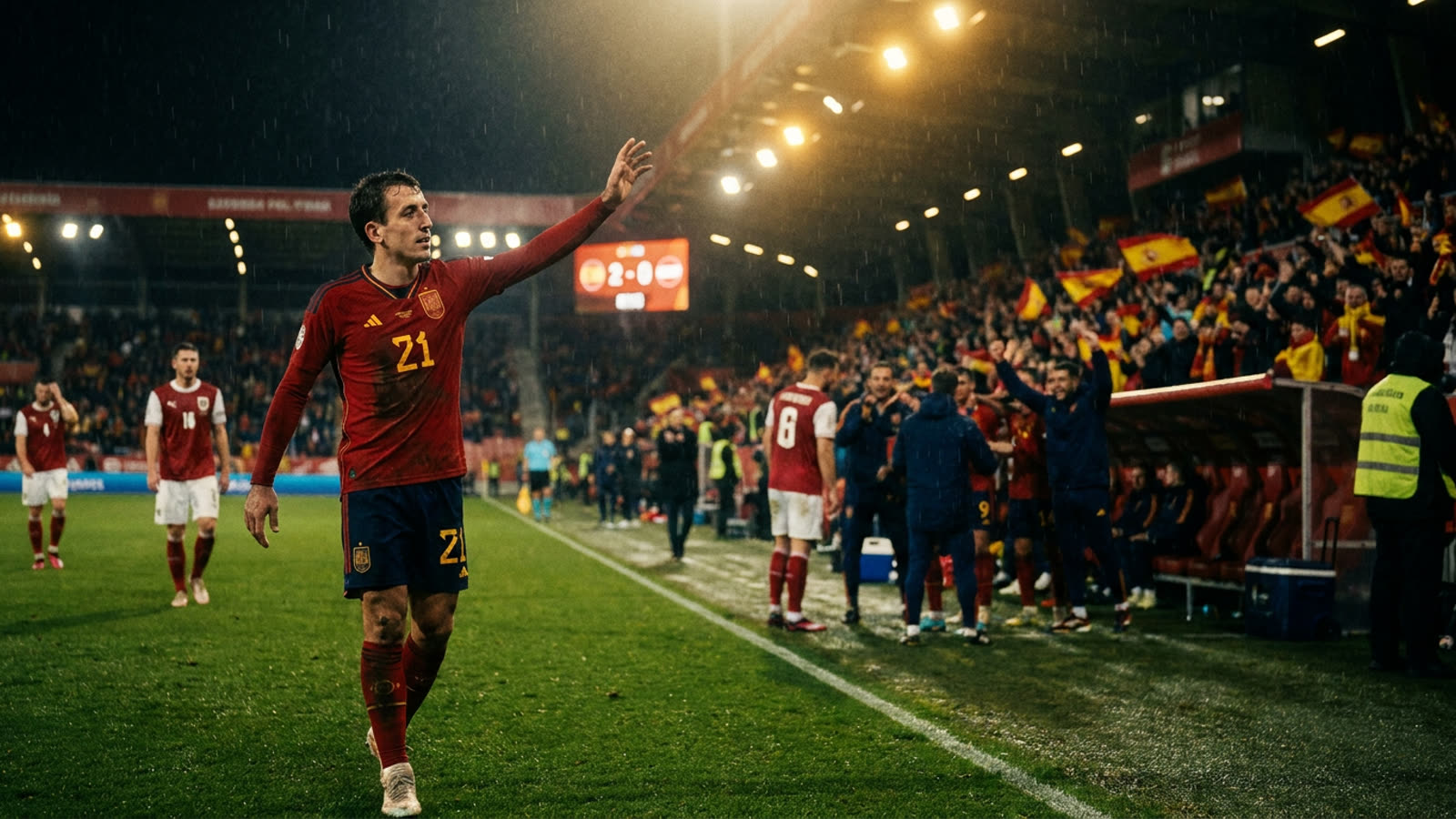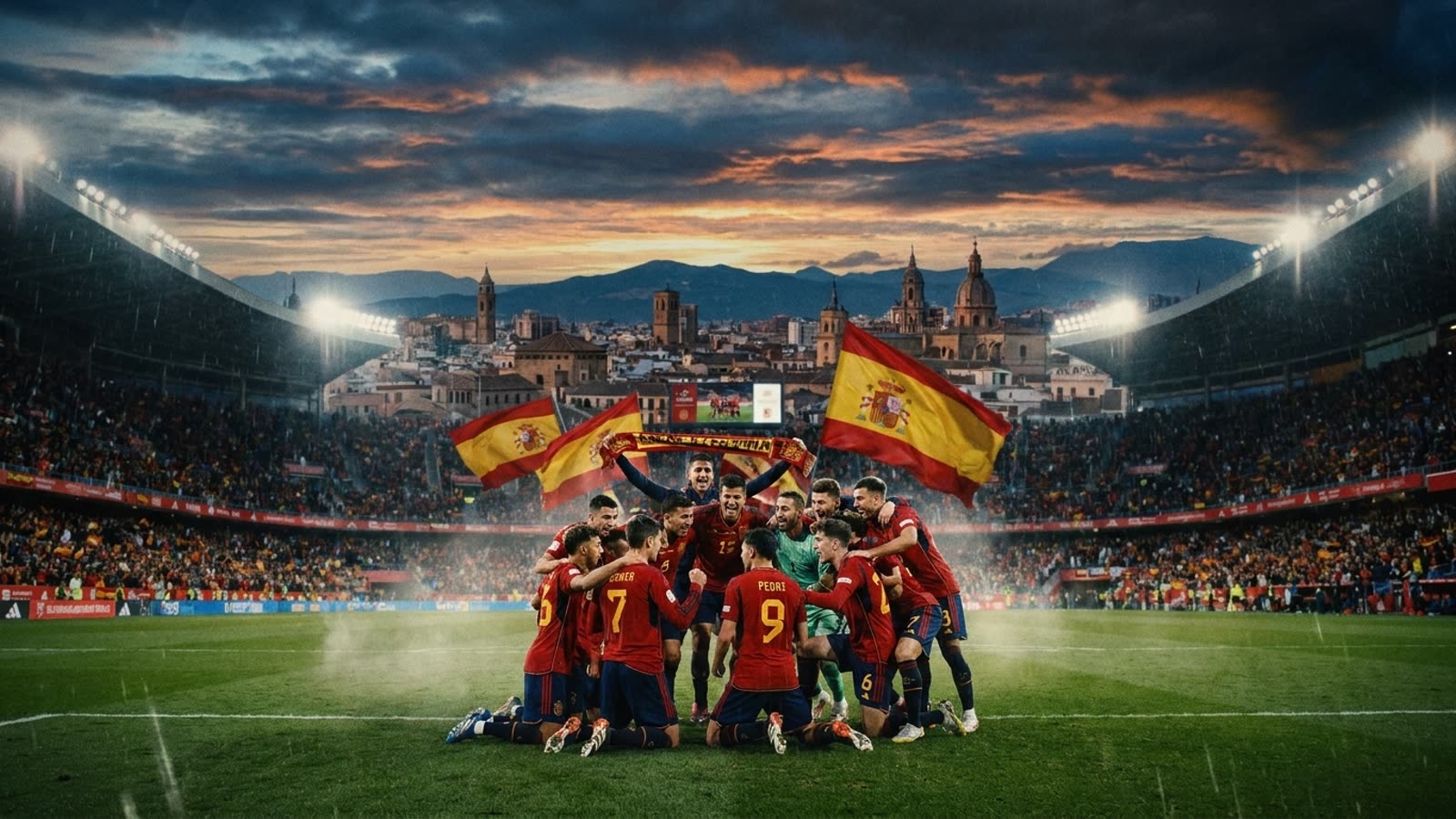
Spain have finally remembered how to win when it matters. Their knockout-round victory over Austria on Wednesday ended a sixteen-year drought that stretched back to the 2010 World Cup final against the Netherlands — the match that crowned them world champions and, as it turned out, marked the last time they would win a sudden-death game at the tournament.
The statistic had become almost absurd in its cruelty. A nation that produced Xavi, Iniesta, Busquets, and an entire philosophy of football that reshaped the sport had somehow managed to lose or draw their way out of four consecutive World Cups at the first knockout hurdle. Brazil 2014, Russia 2018, Qatar 2022, and the intervening European Championships all ended the same way: penalty shootouts or early exits against opponents Spain should have dominated.
The weight of expectation
What made Spain's knockout failures so confounding was the quality of football they often played getting there. The group stages would feature the familiar patterns — the intricate passing triangles, the patient build-up, the suffocating possession. Then the knockout rounds would arrive, and something would seize up. The precision would become hesitancy. The possession would become sterile. The goals would dry up.
Against Austria, Spain finally found the balance between control and incision that had eluded them for so long. The victory was not a masterpiece — few knockout wins ever are — but it carried a conviction that had been missing from their tournament football. The players seemed to understand that possession without penetration is just a very complicated way to lose.
What sixteen years of failure teaches
The drought encompassed an entire generation of Spanish footballers. Players who debuted after 2010 had never experienced a knockout victory at a World Cup. For some, the psychological burden must have been immense — the knowledge that history was not on their side, that the shirt carried a curse as much as a legacy.
Breaking that spell matters beyond the immediate result. Spain's young core, many of whom are playing their first major tournament, now know what it feels like to advance when elimination is the alternative. That experience compounds. The next knockout game will feel less like a historical reckoning and more like a football match.
Our take
Spain's drought ending is satisfying in the way that watching a talented underachiever finally pass an exam is satisfying — relief tinged with the recognition that passing was always the minimum expectation. Austria were not a fearsome opponent. The rounds ahead will feature teams that do not merely hope to survive Spanish possession but actively punish it. La Roja have proved they can still win when it matters; they have not yet proved they can win when it matters against opponents who genuinely threaten them. The mojo is back. The hard part starts now.